Scroll down for English Version
Figure della scrittura, a cura di Rita Selvaggio, esplora i passaggi tra arte e letteratura: non cerca nelle parole l’equivalente di un’immagine, ma osserva che cosa accade quando un artista, un’opera o un ritratto diventano materia letteraria e ne trasformano la forma.
Una stanza dall’altra parte
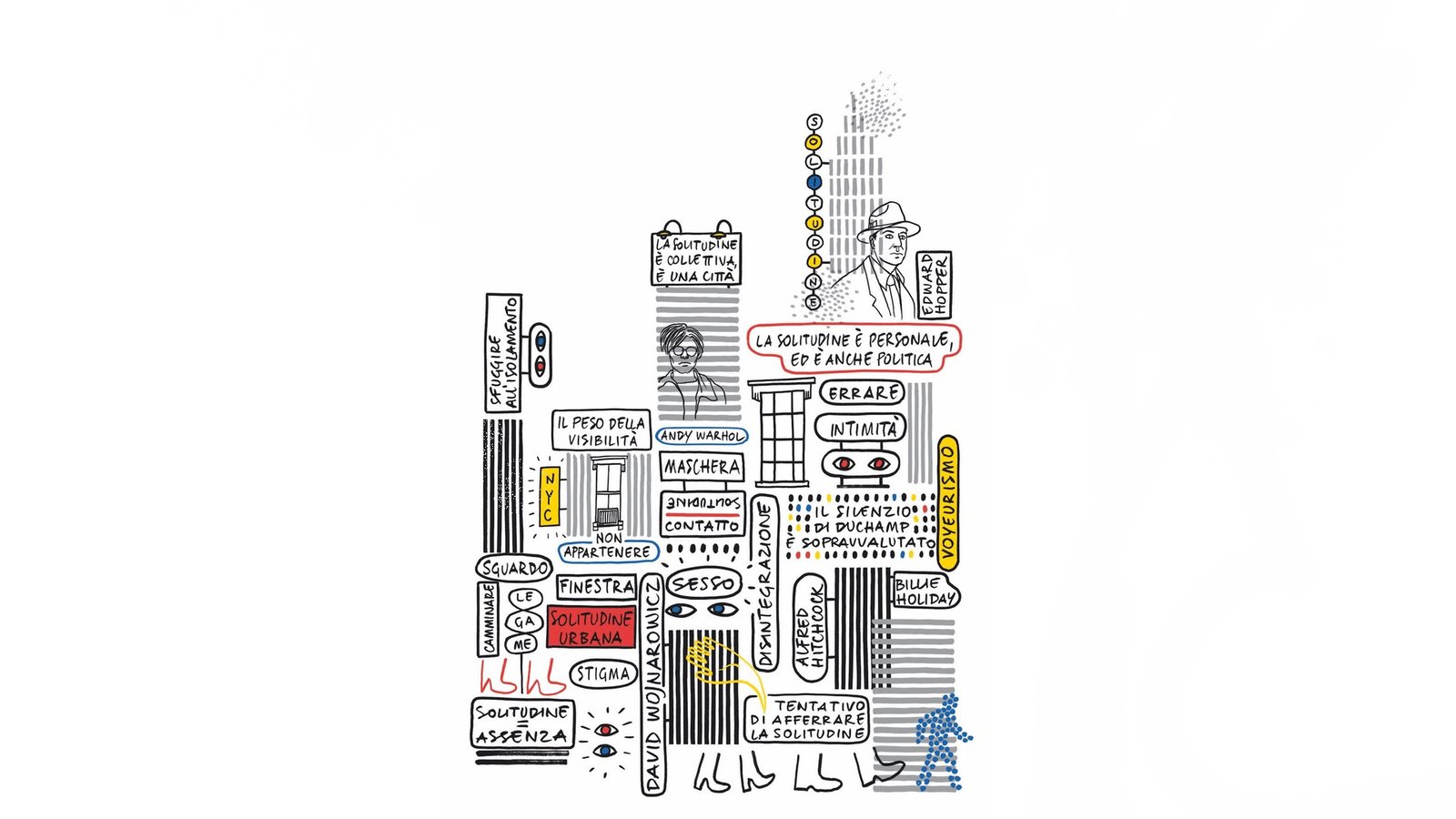
Ci sono esperienze che diventano comprensibili soltanto dopo essere passate attraverso lo sguardo di qualcun altro. Non perché l’altro le spieghi, né perché le abbia già vissute al nostro posto, ma perché ha trovato per esse una forma: una stanza illuminata nel buio, un corpo ripetuto fino quasi a scomparire, un mondo disegnato per anni senza che nessuno lo vedesse. In Città sola (Il Saggiatore, 2018), Olivia Laing entra nelle opere di Edward Hopper, Andy Warhol, Henry Darger e David Wojnarowicz come si entra in luoghi già abitati. Cerca ciò che le immagini sanno della solitudine prima ancora che la scrittura riesca a dirlo.
Quando arriva a New York, Laing occupa una successione di appartamenti temporanei. La città le appare da una posizione insieme interna ed esterna: dietro un vetro, al di sopra della strada, separata dalle vite che continua a vedere. Gli edifici moltiplicano la prossimità senza produrre necessariamente un incontro. Basta una finestra accesa perché l’esistenza di uno sconosciuto diventi visibile; ma quella stessa finestra, mentre espone una stanza, ne rende invalicabile la distanza. La solitudine urbana nasce anche da questo paradosso: poter vedere gli altri senza avere accesso alle loro vite.
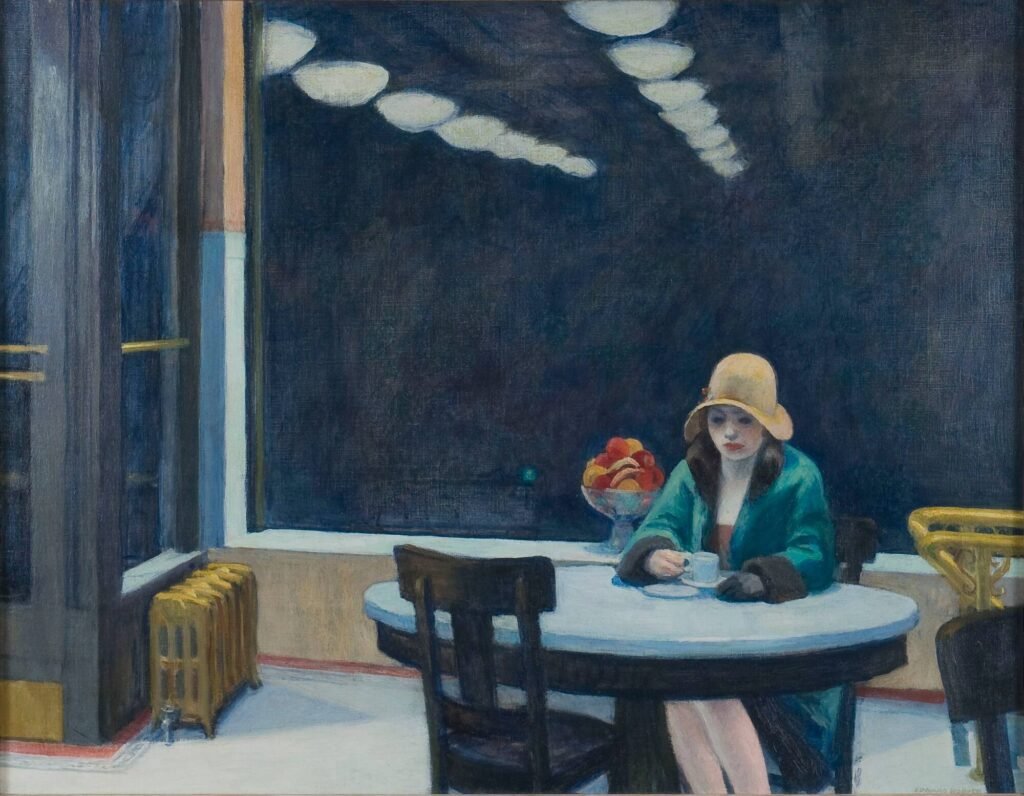
È qui che compare Edward Hopper. Non semplicemente come il pittore che ha raffigurato la solitudine americana — definizione tanto immediata da rischiare di chiudere i suoi quadri dentro ciò che crediamo già di sapere — ma come colui che offre a Laing una posizione dalla quale guardare. I suoi interni, le camere d’albergo, i bar e le finestre attraversate dalla luce non illustrano uno stato d’animo precedente all’immagine. Lo costruiscono attraverso distanze, margini, superfici e punti di vista. La solitudine non coincide con l’assenza degli altri: prende forma nello spazio che rimane fra un corpo e ciò che lo circonda, fra chi guarda e chi viene guardato.
Anche l’uomo che costruisce questi spazi resiste, tuttavia, alla figura troppo semplice del solitario. Hopper, alto, taciturno, capace di attraversare lunghi silenzi senza avvertire il bisogno di interromperli, vive e lavora per più di quarant’anni accanto a Josephine Nivison. Jo posa per quasi tutte le figure femminili, registra meticolosamente ogni dipinto, tratta con galleristi e musei; è insieme interlocutrice, custode e artista progressivamente sospinta ai margini. La loro è una convivenza necessaria e conflittuale, attraversata da dipendenza, rivalità e risentimento. Dietro la compostezza delle stanze hopperiane c’è dunque una relazione tanto stretta da rendere ancora più enigmatica la distanza fra i corpi.
Laing riconosce in quella distanza la geometria della propria esperienza. Ma, avvicinandosi a Hopper, la sua prosa comincia anche ad assumere qualcosa dei suoi quadri. Inquadra una finestra, delimita una stanza, isola una figura nella luce. Procede per apparizioni visive, come se la città potesse essere compresa soltanto fermandone alcuni interni dentro la cornice della frase. Hopper non diventa quindi un personaggio del libro né il semplice antecedente iconografico di una condizione personale. Diventa un procedimento della scrittura.
La finestra hopperiana istituisce la posizione da cui l’intero libro potrà essere scritto: una superficie che divide senza impedire lo sguardo. Proprio in quel punto Laing entra nella tradizione dell’ecfrasi e insieme la modifica. Se James A. W. Heffernan, in Museum of Words (University of Chicago Press, 1993), l’ha definita «rappresentazione verbale di una rappresentazione visiva», in Città sola la parola non si limita a ripresentare il quadro: ne assorbe il principio formale. La finestra, il margine e la distanza fra i corpi passano dall’immagine alla sintassi autobiografica. Georges Didi-Huberman ha mostrato, in Ce que nous voyons, ce qui nous regarde (Les Éditions de Minuit, 1992), che ciò che vediamo ci guarda a sua volta, aprendoci alla mancanza e alla nostra stessa posizione. Le stanze di Hopper agiscono precisamente così: collocano Laing altrove, esclusa dalla scena e tuttavia implicata in essa. L’ecfrasi non è più una parentesi descrittiva nel memoir, ma il punto in cui una forma visiva modifica l’io che racconta.
Registrare per non scomparire
La finestra di Hopper lascia vedere un corpo mantenendolo a distanza. Con Andy Warhol, quella superficie si sposta e si moltiplica: diventa schermo, fotografia, nastro magnetico, cabina telefonica, pagina di diario. La separazione non dipende più soltanto dallo spazio che divide gli appartamenti o dalla cornice che trattiene una figura. Entra nella voce, nel corpo, nei dispositivi attraverso i quali una presenza tenta di raggiungerne un’altra. Warhol è ovunque visibile, eppure continua a sottrarsi. Quanto più la sua immagine viene riprodotta, tanto meno sembra possibile stabilire dove egli sia.
È questo paradosso ad attrarre Laing. Warhol non appare soltanto come l’artista della superficie o della ripetizione, ma come qualcuno che ha trasformato la difficoltà del contatto in un sistema di produzione. Le fotografie, i film, le registrazioni e le conversazioni telefoniche non documentano una vita già avvenuta: sono il modo in cui quella vita riesce ad avere luogo. Il registratore può accompagnare un incontro, riempire un silenzio, conservare una voce dopo che il corpo si è allontanato. Tra sé e gli altri Warhol interpone continuamente una macchina. Non per abolire la relazione, ma per renderla sopportabile.
La persona che abita questo sistema è meno impassibile della sua maschera. Cresciuto in una famiglia cattolica di immigrati, segnato fin dall’infanzia dalla malattia e da un’acuta insicurezza per il proprio aspetto, Warhol rimane timido, esitante nella parola, continuamente bisognoso della presenza altrui. La Factory, le feste e la folla che lo accompagna non smentiscono la sua solitudine: ne mostrano la forma contraddittoria. Warhol cerca senza tregua compagnia, ma spesso può tollerarla soltanto mediandola attraverso un ruolo, una macchina, un apparecchio. Arriverà a chiamare il registratore la propria “moglie”: una presenza delegata a sostenere il peso dell’incontro.
Anche la ripetizione assume allora un significato diverso. Riprodurre un volto non equivale semplicemente a svuotarlo o a consegnarlo all’indifferenza della merce. Significa trattenerlo quando la presenza si rivela instabile. Ogni immagine ripetuta porta con sé una perdita e insieme il tentativo di ritardarla. Il volto rimane, ma trasformato in superficie; la voce sopravvive, ma separata dal corpo che l’ha emessa. La tecnologia permette una prossimità che non coincide mai interamente con l’intimità. Offre una traccia nel punto stesso in cui conferma una distanza.
Entrando nell’universo di Warhol, la scrittura di Laing cambia procedimento. Se Hopper le aveva insegnato a inquadrare, Warhol le insegna a registrare. La prosa raccoglie testimonianze, telefonate, fotografie e nastri senza ricomporli in un’identità definitiva. In Picture Theory (University of Chicago Press, 1994), W. J. T. Mitchell ha riconosciuto nell’ecfrasi un’ambivalenza: la parola desidera far parlare l’immagine e teme ciò che non può tradurre. Laing non assegna alla prosa l’ultima parola e non cerca un soggetto autentico nascosto sotto la superficie. Comprende che quella superficie — costruita, ripetuta, vulnerabile — produce già pensiero. La scrittura ne segue gli effetti senza reclamarne il possesso: qualcosa comincia nell’opera e costringe il racconto a cambiare forma.
La superficie, tuttavia, non protegge completamente. Il corpo ferito dalla sparatoria del 1968 introduce nell’immagine pubblica di Warhol una lacerazione che nessuna ripetizione può cancellare. Le cicatrici, il busto ortopedico, la paura e la dipendenza dagli altri rivelano quanto fosse concreta la vulnerabilità che la figura impassibile sembrava tenere a distanza. La solitudine non appartiene più soltanto alla psiche: si iscrive nella carne, nella difficoltà di abitare un corpo che può essere colpito, esposto, abbandonato.
Laing si avvicina a quella vulnerabilità senza trasformarla in una spiegazione retrospettiva dell’opera. Non sostiene che la paura o l’isolamento contengano il segreto di Warhol. Osserva piuttosto come l’artista abbia costruito forme capaci di accogliere ciò che non riusciva a esprimere direttamente. Registrare, fotografare, ripetere diventano verbi della relazione: modi obliqui di dire che qualcuno è stato qui, che una voce è passata, che un volto non è ancora scomparso.
Una moltitudine segreta
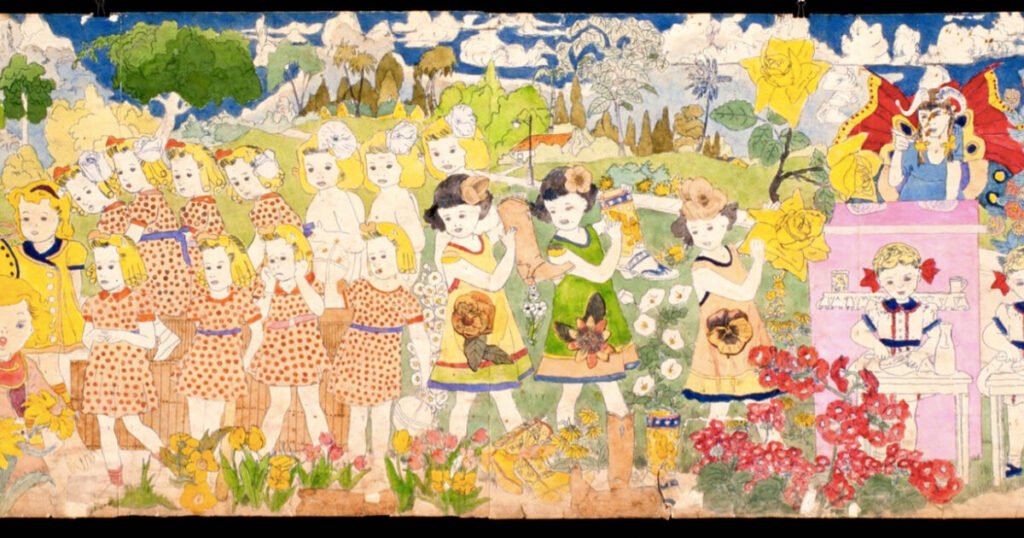
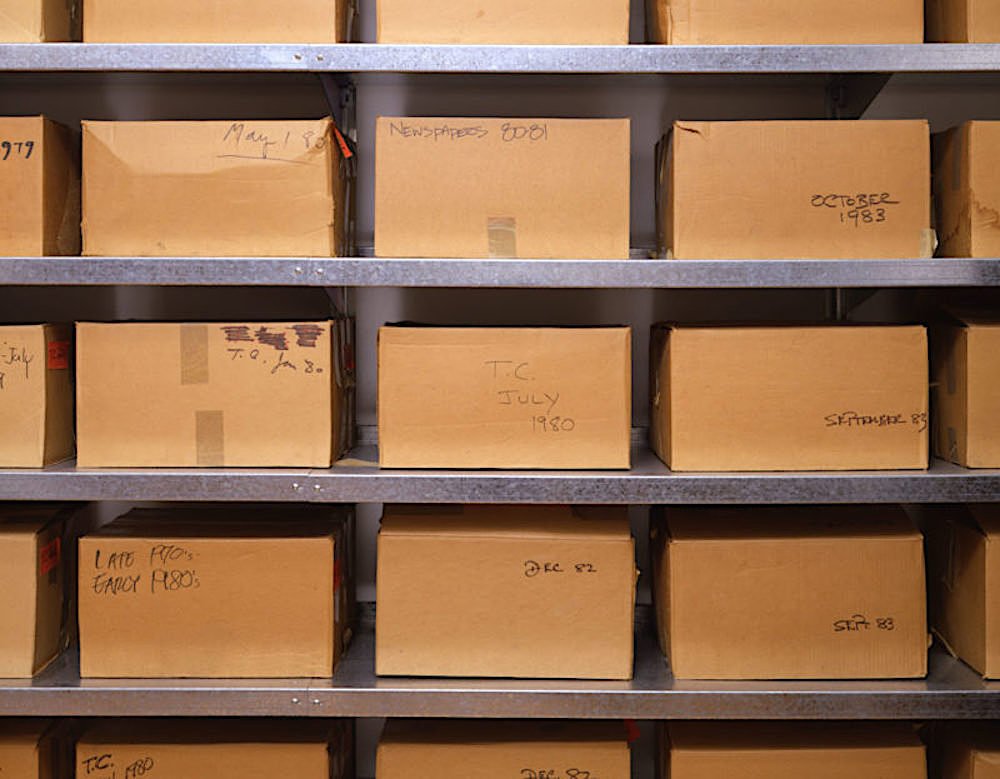
La traccia lasciata da Warhol suppone ancora un destinatario: qualcuno che ascolterà il nastro, guarderà la fotografia, riconoscerà il volto. Con Henry Darger, invece, Laing incontra un’opera cresciuta quasi interamente senza pubblico. Per decenni, nella stanza in cui vive a Chicago, Darger scrive e disegna un mondo che nessuno intorno a lui conosce. Migliaia di pagine, battaglie interminabili, bambine in fuga, paesaggi, eserciti, catastrofi atmosferiche: la solitudine non si limita più a separare un individuo dagli altri. Diventa lo spazio necessario alla proliferazione di una moltitudine.
Eppure anche l’immagine del recluso assoluto rischia di trasformare Darger in un personaggio più uniforme di quanto fosse. Lavora per decenni come inserviente negli ospedali, assiste quotidianamente alla fragilità dei corpi, frequenta con devozione la messa, talvolta più volte nello stesso giorno, e registra con ostinazione il tempo atmosferico, confrontando le previsioni con ciò che il cielo ha realmente fatto. La sua vita è regolata da gesti ripetuti, dispute private con Dio, collezioni di immagini e pochi legami tenacemente custoditi, come l’amicizia con William Schloeder. La solitudine, in lui, è un’esistenza gremita di riti, voci e interlocutori visibili e invisibili, ben lontana dal vuoto uniforme che la leggenda postuma ha spesso costruito.
L’immensità di The Story of the Vivian Girls (ca. 1910–1927) sembra opporsi alla ristrettezza della vita visibile del suo autore. Da una parte, una stanza modesta, lavori ripetitivi, abitudini consumate quasi senza lasciare memoria; dall’altra, un universo narrativo tanto esteso da non poter essere abbracciato nella sua interezza. Ma Laing resiste alla tentazione di trasformare automaticamente l’opera in compensazione: una folla immaginaria prodotta per colmare l’assenza di relazioni reali. Il rapporto fra isolamento e creazione rimane più inquieto. Il mondo inventato da Darger lo sottrae alla solitudine oppure la rende ancora più inaccessibile agli altri?
Anche le sue immagini nascono da ciò che esiste già. Darger raccoglie illustrazioni, fumetti, fotografie e figure ritagliate; le ricalca, le ingrandisce, le ripete, le trasferisce dentro nuove scene. Non disegna a partire da un’origine incontaminata. Lavora attraverso immagini altrui, appropriandosi di gesti e corpi che modifica facendoli entrare nella propria cosmologia. Quella che sembra l’opera più radicalmente privata è dunque attraversata da una quantità di materiali provenienti dal mondo esterno. La stanza chiusa contiene immagini che hanno già circolato altrove.
È qui che Darger diventa essenziale per la forma di Città sola. Anche Laing costruisce il proprio libro con frammenti che non le appartengono: opere, biografie, testimonianze, fotografie, lettere. Li dispone accanto alla propria esperienza senza cancellarne la provenienza. La teoria dell’iconotesto elaborata da Liliane Louvel in Poetics of the Iconotext (Ashgate, 2011) permette di nominare questa zona di scambio, nella quale il visivo altera ritmo e disposizione della scrittura. In Laing, però, dall’attrito fra i due linguaggi emerge anche il soggetto autobiografico. Le immagini di Darger non vengono tradotte in una sequenza verbale equivalente: insegnano una logica di raccolta e ricomposizione. Il memoir non incorpora l’opera per illustrarsi; si lascia rifare dai suoi procedimenti.
Questa corrispondenza non rende però equivalenti i due gesti. Darger assorbe le immagini entro un sistema che tende a richiudersi su sé stesso; Laing le accosta per costruire passaggi tra esistenze separate. Proprio questa differenza impedisce di idealizzare l’isolamento dell’artista. La sua opera possiede una forza smisurata, ma conserva anche la violenza di un mondo privo di interlocutori, nel quale protezione e persecuzione, innocenza e crudeltà continuano a scambiarsi di posto. L’immaginazione può generare compagnia senza per questo garantire una relazione.
Scrivere di Darger significa allora confrontarsi con un limite etico. Quanto è possibile dedurre di una vita da ciò che viene ritrovato dopo la morte? Che cosa autorizza a trasformare un’esistenza rimasta ai margini in una storia leggibile? Laing si muove fra i documenti senza pretendere che essi consegnino finalmente il loro autore alla trasparenza. Ogni dettaglio sembra avvicinarlo e nello stesso tempo confermare la distanza che lo separa da chi osserva. L’archivio non restituisce una persona intera. Ne conserva tracce, mancanze e contraddizioni.
Rendere pubblica la ferita
Il mondo di Darger cresce al riparo dagli sguardi, in una stanza che custodisce la propria moltitudine fino alla morte dell’autore. Con David Wojnarowicz il movimento si rovescia. L’immagine esce dalla stanza, attraversa la strada, occupa i muri, si espone alla città. Ciò che era stato confinato nell’esperienza individuale — desiderio, paura, violenza, malattia — viene sottratto al segreto e restituito allo spazio pubblico. La solitudine non appare più come una condizione senza causa. È anche ciò che una società produce quando decide quali corpi possano essere visti, ascoltati e protetti.
Questa esposizione non nasce però da una vocazione astratta all’attivismo. Wojnarowicz porta con sé un’infanzia segnata dalla violenza, l’adolescenza trascorsa anche per strada, intorno a Times Square, gli spostamenti attraverso l’America, il bisogno ostinato di trovare una comunità senza esserne nuovamente espulso. Alla durezza della sua voce corrisponde una capacità altrettanto intensa di attaccamento: agli amici, agli amanti, agli animali e ai territori minacciati. Il rapporto con Peter Hujar — amico, amante e maestro — rende questa compresenza particolarmente visibile. Quando Hujar muore di AIDS nel 1987, Wojnarowicz fotografa il volto, le mani e i piedi dell’uomo appena perduto: un gesto di intimità che è già testimonianza, lutto e rifiuto della cancellazione.
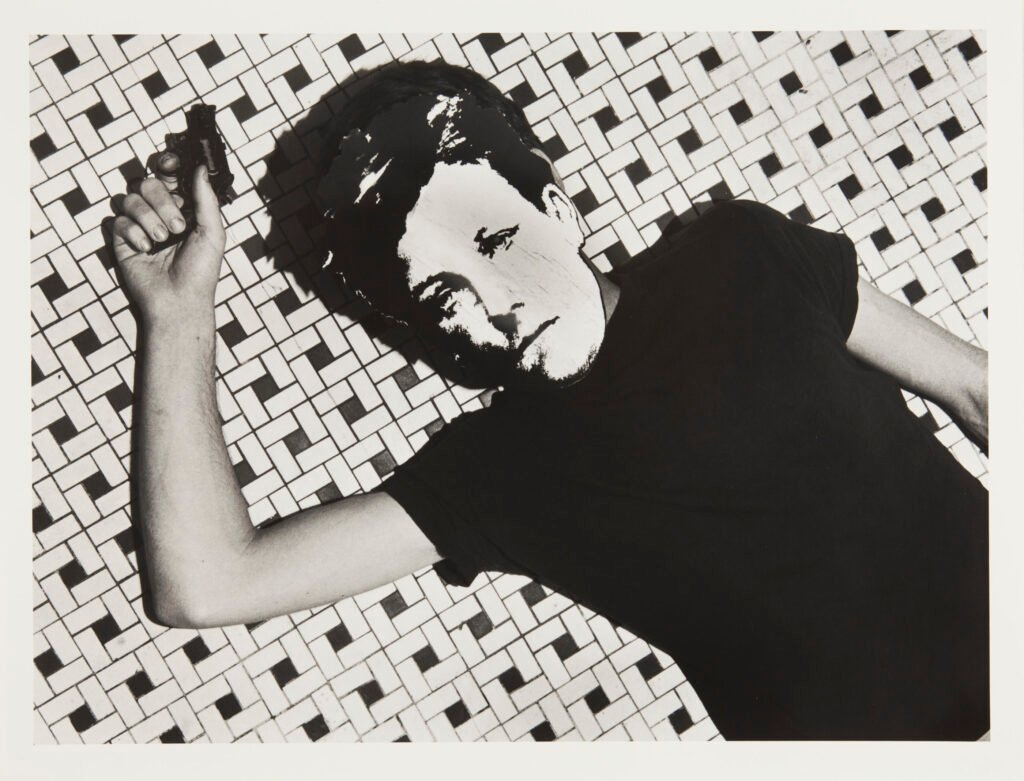
La serie Arthur Rimbaud in New York (1978–1979) contiene già questo passaggio. Un volto di carta, quello di Rimbaud, viene indossato da corpi anonimi nei luoghi marginali della città: metropolitana, diner, moli, strade degradate. La maschera nasconde e rende riconoscibili nello stesso momento. Chi la porta perde i propri tratti, ma entra in una figura condivisa, disponibile a migrare da un corpo all’altro. Il poeta morto si fa presenza mobile nella New York contemporanea; un’immagine ricevuta dal passato permette a vite senza nome di affiorare nel presente.
Anche Wojnarowicz, dunque, guarda con gli occhi di un altro. Ma la citazione non serve a nobilitare l’emarginazione attraverso la letteratura. Il volto di Rimbaud introduce una frattura nello spazio ordinario: dichiara che quel corpo, proprio mentre rimane sconosciuto, possiede una storia, un desiderio e una voce. La maschera non risolve l’invisibilità. La rende manifesta, trasformandola in apparizione.
Quando Laing giunge a Wojnarowicz, la forma di Città sola subisce un’ulteriore trasformazione. Alle immagini, alle biografie e ai documenti si unisce una parola che non contempla più la distanza, ma la interrompe. Nelle opere di Wojnarowicz fotografia e scrittura entrano continuamente l’una nell’altra. Il testo circonda il corpo, lo espone alle sentenze sociali che lo attendono, oppure gli restituisce la possibilità di parlare. L’immagine non è un luogo silenzioso che la prosa deve interpretare. Contiene già una voce.
In One Day This Kid (1990–1991), la fotografia infantile dell’artista è circondata dalle parole che anticipano ciò che accadrà a quel bambino quando il suo desiderio diventerà visibile. Il futuro irrompe intorno al volto con la precisione di una condanna. Famiglia, scuola, religione, medicina e legge convergono sul corpo prima ancora che esso possa nominarsi. La solitudine si rivela qui come il risultato di un linguaggio pronunciato dagli altri: una rete di definizioni, minacce e divieti che separa l’individuo dal mondo e, infine, da se stesso.
La scrittura di Laing accoglie questa lezione. Raccontare la solitudine non è più soltanto descriverne le stanze, conservarne le tracce o ricostruirne gli universi immaginari: è individuare le frasi, le istituzioni e le immagini pubbliche che la producono. Con Wojnarowicz, il libro attraversa l’epidemia di AIDS, l’abbandono politico e il tentativo di cancellare le vite di chi moriva. L’isolamento cessa definitivamente di sembrare un difetto individuale. Diventa una distribuzione ineguale della possibilità di apparire e di essere riconosciuti.
È il punto in cui il percorso di Laing incontra la domanda posta da Judith Butler in Frames of War: When Is Life Grievable? (Verso, 2009): attraverso quali cornici una vita diventa riconoscibile come vita, e una perdita degna di essere pubblicamente pianta? Nell’America dell’AIDS quelle cornici non si limitano a rappresentare i corpi: decidono quali corpi possano apparire, quali morti contino e quali vite siano abbandonate all’irrilevanza. Wojnarowicz interviene dentro questa distribuzione del visibile. Non domanda soltanto che si guardi la ferita; spezza il dispositivo che aveva consentito di non vederla.
Se Hopper aveva insegnato alla prosa a inquadrare, Warhol a registrare e Darger ad accumulare, Wojnarowicz le insegna a montare parola e immagine perché un corpo entri nello spazio politico. L’opera non guarisce la ferita né restituisce i morti, ma impedisce che la violenza rimanga senza testimonianza. La solitudine non è più soltanto qualcosa che l’immagine rappresenta: è ciò contro cui prende posizione.
L’immagine scrive l’io
Alla fine di questo attraversamento, la solitudine di Laing non è scomparsa. Nessuna opera l’ha guarita, nessuna biografia le ha offerto una consolazione definitiva. È cambiato il modo in cui può essere guardata e raccontata. Ciò che sembrava chiuso nell’esperienza individuale appare ora attraversato da immagini, voci e storie precedenti: la città solitaria si rivela una città popolata.
In Tu che mi guardi, tu che mi racconti (Feltrinelli, 1997), Adriana Cavarero descrive il sé come un essere narrabile che non possiede da solo la visione compiuta della propria storia. Sidonie Smith e Julia Watson hanno mostrato, in Reading Autobiography (University of Minnesota Press, 2010), che l’atto autobiografico produce il soggetto attraverso memoria, corpo, spazio e forme materiali. Laing sposta entrambe le prospettive: l’altro che rende narrabile l’io non è soltanto chi ne racconta la storia, e le immagini non provengono dall’archivio personale. Sono opere estranee, dotate di forme e storie proprie. Inquadrature, superfici e montaggi non documentano il passato di Laing: le offrono procedimenti attraverso cui riconoscere e scrivere la propria esperienza.
Città sola costruisce così un’autobiografia rivolta verso l’esterno. L’io non usa le opere per ricomporsi in un’immagine unitaria: ne assume i procedimenti. Hopper gli dà una posizione; Warhol una tecnica di registrazione; Darger un metodo di raccolta; Wojnarowicz una forma pubblica. Scrivere con gli occhi degli altri non significa rinunciare al proprio sguardo, ma riconoscere che esso prende forma nell’incontro con immagini non proprie. È questa la conquista critica di Città sola: la solitudine cessa di essere soltanto il tema del memoir e diventa il dispositivo che obbliga l’io a uscire da sé.
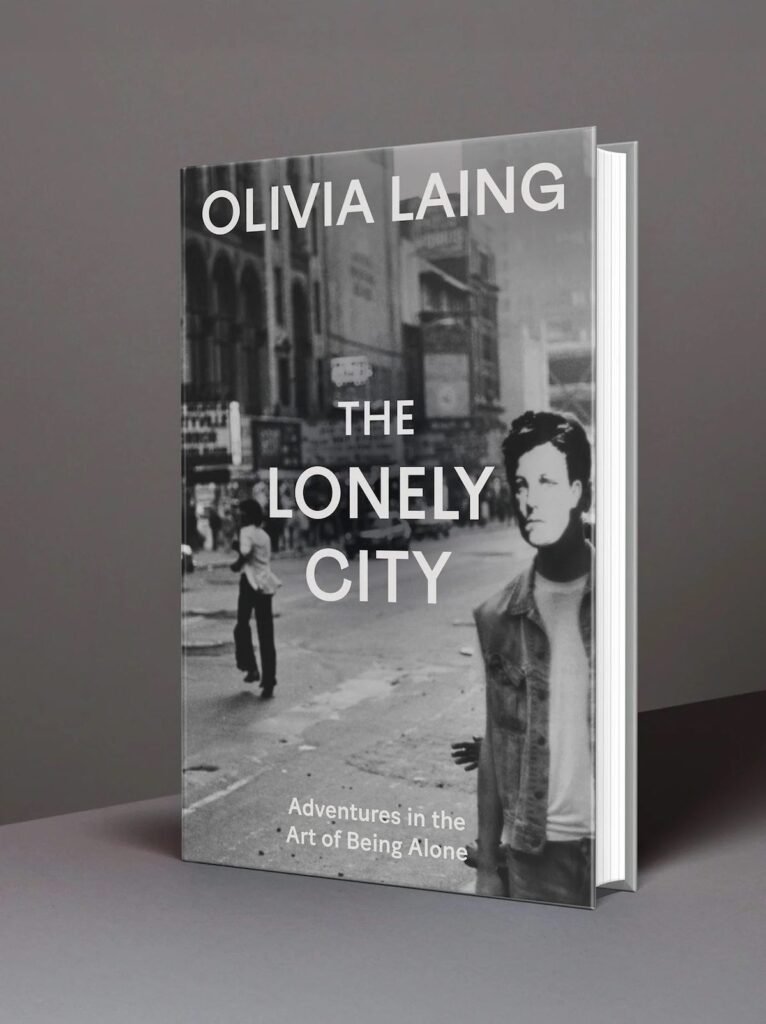
Olivia Laing, Città sola, traduzione di Francesca Mastruzzo, Il Saggiatore, Milano 2024 (prima edizione italiana 2018).
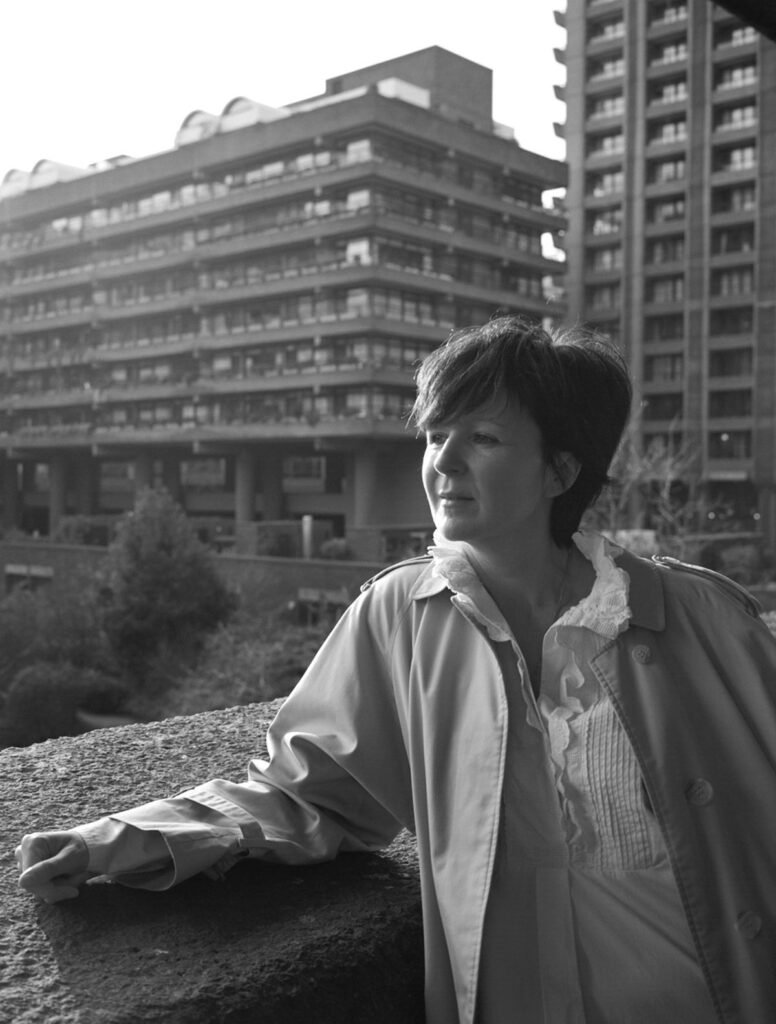
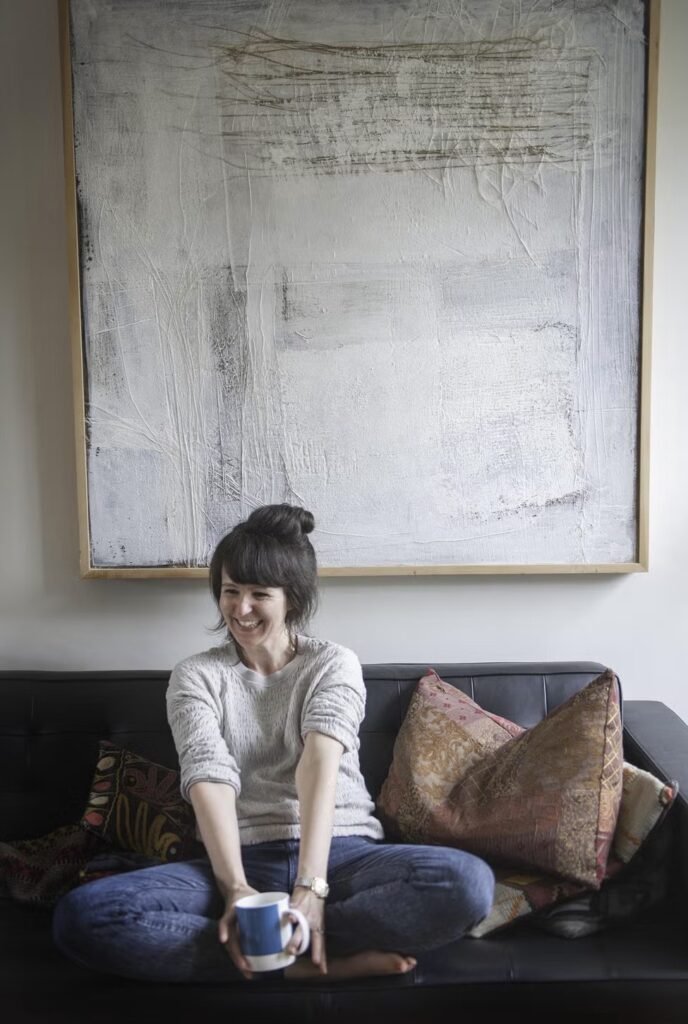
Olivia Laing (1977) è una scrittrice e saggista britannica. Nei suoi libri intreccia memoir, biografia e storia dell’arte per indagare la solitudine, il corpo, il desiderio e le forme della libertà. Tra i suoi titoli: Gita al fiume (2011), Viaggio a Echo Spring (2013), Città sola (2016), Crudo (2018), Everybody (2021) e Il giardino contro il tempo (2024). In Italia le sue opere sono pubblicate da Il Saggiatore. Nel 2019 Crudo ha vinto il James Tait Black Memorial Prize.
Writing with Other People’s Eyes | Olivia Laing and the Visual Form of Writing
In The Lonely City, solitude is never an empty room. It is crossed by Hopper’s windows, Warhol’s surfaces, Darger’s multitudes and the wound Wojnarowicz makes public. Looking with other people’s eyes, Olivia Laing allows private experience to change shape and memoir to become a site of relation.
A Room on the Other Side
There are experiences that become intelligible only after they have passed through someone else’s gaze. Not because another person explains them, or has already lived them in our place, but because someone else has found a form for them: a room lit in the dark, a body repeated until it almost disappears, a world drawn for years without anyone seeing it. In The Lonely City (Canongate, 2016), Olivia Laing enters the work of Edward Hopper, Andy Warhol, Henry Darger and David Wojnarowicz as one enters places already inhabited. Laing looks for what images know about loneliness before writing has managed to say it.
When Laing arrives in New York, they move through a succession of temporary flats. The city appears to them from a position at once inside and outside: behind glass, above the street, separated from the lives they continue to see. Buildings multiply proximity without necessarily producing an encounter. A single lit window is enough to make a stranger’s existence visible; yet that same window, even as it exposes a room, makes the distance to it impossible to cross. Urban loneliness also begins in this paradox: being able to see others without gaining access to their lives.
This is where Edward Hopper appears. Not simply as the painter of American loneliness — a definition so immediate that it risks sealing his paintings inside what we think we already know — but as the one who gives Laing a position from which to look. His interiors, hotel rooms, bars and light-struck windows do not illustrate a state of mind that precedes the image. They construct it through distances, edges, surfaces and points of view. Loneliness does not coincide with the absence of others: it takes shape in the space that remains between a body and its surroundings, between the one who looks and the one who is looked at.
Yet the man who constructs these spaces also resists the overly simple figure of the loner. Tall and taciturn, able to pass through long silences without feeling the need to break them, Hopper lived and worked for more than forty years alongside Josephine Nivison. Jo posed for almost all his female figures, meticulously catalogued every painting and dealt with galleries and museums; she was at once interlocutor and custodian — and an artist gradually pushed to the margins. Their life together was necessary yet fraught, marked by dependence, rivalry and resentment. Behind the composure of Hopper’s rooms, then, lies a relationship so close that it makes the distance between bodies still more enigmatic.
Laing recognises in that distance the geometry of their own experience. Yet as they draw closer to Hopper, their prose also begins to take on something of his paintings. It frames a window, defines a room, isolates a figure in the light. The prose advances through visual apparitions, as though the city could be understood only by holding a handful of interiors still within the frame of a sentence. Hopper therefore becomes neither a character in the book nor merely the iconographic precedent for a personal condition. He becomes a compositional principle.
Hopper’s window establishes the position from which the entire book can be written: a surface that divides without obstructing the gaze. It is at precisely this point that Laing enters the tradition of ekphrasis and alters it. If James A. W. Heffernan, in Museum of Words (University of Chicago Press, 1993), defines ekphrasis as the ‘verbal representation of visual representation’, in The Lonely City words do not merely re-present the painting: they absorb its formal principle. The window, the edge and the distance between bodies pass from the image into autobiographical syntax. In Ce que nous voyons, ce qui nous regarde (Les Éditions de Minuit, 1992), Georges Didi-Huberman shows that what we see looks back at us, opening us to absence and to our own position. Hopper’s rooms act in precisely this way: they place Laing elsewhere, excluded from the scene yet implicated in it. Ekphrasis is no longer a descriptive parenthesis within memoir, but the point at which a visual form modifies the self that narrates.
Recording Against Disappearance
Hopper’s window allows a body to be seen while keeping it at a distance. With Andy Warhol, that surface shifts and multiplies: it becomes screen, photograph, magnetic tape, telephone booth, diary page. Separation no longer depends only on the space between flats or the frame that holds a figure in place. It enters the voice, the body, the devices through which one presence attempts to reach another. Warhol is visible everywhere, yet he continues to recede. The more his image is reproduced, the less possible it seems to establish where he is.
It is this paradox that draws Laing. Warhol appears not only as the artist of the surface and of repetition, but as someone who turned the difficulty of contact into a system of production. Photographs, films, recordings and telephone conversations do not document a life that has already happened: they are the means through which that life takes place. A tape recorder can accompany an encounter, fill a silence, preserve a voice after the body has moved away. Warhol continually interposes a machine between himself and other people. Not to abolish the relationship, but to make it bearable.
The person who inhabits this system is less impassive than his mask. Raised in a Catholic immigrant family, marked from childhood by illness and by acute insecurity about his appearance, Warhol remained shy, hesitant in speech and continually in need of other people’s presence. The Factory, the parties and the crowd around him do not disprove his loneliness: they reveal its contradictory form. Warhol sought company without respite, but often could tolerate it only when mediated by a role, a machine, a device. He would come to call the tape recorder his ‘wife’: a proxy presence entrusted with sustaining the encounter.
Repetition, too, then takes on a different meaning. To reproduce a face is not simply to empty it out or surrender it to the indifference of the commodity. It is to hold on to it when presence proves unstable. Every repeated image bears the trace of a loss and, at the same time, an attempt to defer it. The face remains, but transformed into a surface; the voice survives, but severed from the body that produced it. Technology enables a proximity that never entirely coincides with intimacy. It offers a trace at the very point at which it confirms a distance.
On entering Warhol’s world, Laing’s writing begins to work differently. If Hopper taught them to frame, Warhol teaches them to record. The prose gathers testimonies, telephone calls, photographs and tapes without reassembling them into a definitive identity. In Picture Theory (University of Chicago Press, 1994), W. J. T. Mitchell identifies an ambivalence within ekphrasis: words desire to make the image speak and fear what they cannot translate. Laing does not grant prose the final word, nor do they seek an authentic subject concealed beneath the surface. They understand that this surface — constructed, repeated, vulnerable — already produces thought. The writing follows its effects without claiming ownership of them: something begins in the work and compels the narrative to change form.
The surface, however, does not offer complete protection. The body wounded in the 1968 shooting tears open Warhol’s public image in a way that no repetition can erase. The scars, the surgical corset, the fear and the dependence on others reveal how concrete the vulnerability was that the impassive figure had seemed to keep at bay. Loneliness no longer belongs only to the psyche: it is inscribed in the flesh, in the difficulty of inhabiting a body that can be struck, exposed, abandoned.
Laing approaches that vulnerability without turning it into a retrospective explanation of the work. They do not claim that fear or isolation holds the key to Warhol. Rather, they observe how the artist constructed forms capable of holding what he could not express directly. Recording, photographing, repeating become verbs of relation: oblique ways of saying that someone was here, that a voice passed through, that a face has not yet disappeared.
A Secret Multitude
The trace left by Warhol still presupposes a recipient: someone who will listen to the tape, look at the photograph, recognise the face. With Henry Darger, by contrast, Laing encounters a body of work that grew almost entirely without an audience. For decades, in the Chicago room where he lived, Darger wrote and drew a world unknown to anyone around him. Thousands of pages, unending battles, girls in flight, landscapes, armies, meteorological catastrophes: loneliness no longer merely separates one person from others. It becomes the space required for a multitude to proliferate.
Yet the image of the total recluse also risks reducing Darger to a flatter figure than he was. For decades he worked as a hospital orderly, attending daily to the fragility of bodies; he went devoutly to Mass, sometimes several times in one day; and he obsessively recorded the weather, comparing forecasts with what the sky had actually done. His life was governed by repeated gestures, private disputes with God, collections of images and a few tenaciously guarded bonds, such as his friendship with William Schloeder. In Darger, loneliness is a life crowded with rituals, voices and visible and invisible interlocutors, far removed from the uniform emptiness so often constructed by his posthumous legend.
The immensity of The Story of the Vivian Girls (c. 1910–1927) seems to stand against the narrowness of its author’s visible life. On one side, a modest room, repetitive jobs, habits worn smooth until they left almost no trace; on the other, a narrative universe so extensive that it cannot be grasped in its entirety. Yet Laing resists the temptation to turn the work automatically into compensation: an imaginary crowd produced to fill the absence of real relationships. The relation between isolation and creation remains more unsettled. Does Darger’s invented world release him from loneliness, or make that loneliness still more inaccessible to others?
His images, too, emerge from what already exists. Darger collected illustrations, comic strips, photographs and cut-out figures; he traced, enlarged and repeated them, transferring them into new scenes. He did not draw from an uncontaminated origin. He worked through other people’s images, appropriating gestures and bodies that he altered by drawing them into his own cosmology. What appears to be the most radically private body of work is therefore shot through with material from the external world. The closed room contains images that have already circulated elsewhere.
This is where Darger becomes essential to the form of The Lonely City. Laing, too, constructs the book from fragments that do not belong to them: works of art, biographies, testimonies, photographs, letters. They place these beside their own experience without erasing their provenance. Liliane Louvel’s theory of the iconotext, developed in Poetics of the Iconotext (Ashgate, 2011), names this zone of exchange, in which the visual alters the rhythm and arrangement of writing. In Laing, however, the autobiographical subject also emerges from the friction between the two languages. Darger’s images are not translated into an equivalent verbal sequence: they teach a logic of gathering and recomposition. The memoir does not absorb the work in order to illustrate itself; it is remade through the work’s procedures.
This correspondence does not, however, make the two gestures equivalent. Darger absorbs images into a system that tends to close in upon itself; Laing places them side by side in order to build passages between separate lives. It is exactly this difference that prevents the artist’s isolation from being idealised. His work has immeasurable force, but it also retains the violence of a world without interlocutors, in which protection and persecution, innocence and cruelty continually exchange places. Imagination can generate company without guaranteeing a relationship.
To write about Darger is therefore to confront an ethical limit. How much can be inferred about a life from what is found after death? What authorises us to turn an existence lived at the margins into a legible story? Laing moves among the documents without pretending that they will finally render their author transparent. Every detail seems to bring him closer and, at the same time, to confirm the distance separating him from the observer. The archive does not restore an entire person. It preserves traces, absences and contradictions.
Making the Wound Public
Darger’s world develops out of sight, in a room that preserves its multitude until the author’s death. With David Wojnarowicz, the movement is reversed. The image leaves the room, crosses the street, occupies walls, exposes itself to the city. What had been confined to individual experience — desire, fear, violence, illness — is wrested from secrecy and returned to public space. Loneliness no longer appears as a condition without a cause. It is also what a society produces when it decides which bodies may be seen, heard and protected.
This exposure does not arise from an abstract commitment to activism. Wojnarowicz carries with him a childhood marked by violence, an adolescence spent partly on the streets around Times Square, journeys across America and the stubborn need to find a community without being expelled from it once again. The harshness of his voice is matched by an equally intense capacity for attachment: to friends, lovers, animals and threatened territories. His relationship with Peter Hujar — friend, lover and mentor — makes this coexistence particularly visible. When Hujar died of AIDS in 1987, Wojnarowicz photographed the face, hands and feet of the man he had just lost: a gesture of intimacy that is already testimony, mourning and a refusal of erasure.
The series Arthur Rimbaud in New York (1978–1979) already enacts this transition. A paper face, Rimbaud’s, is worn by anonymous bodies in the city’s marginal spaces: the subway, diners, piers, run-down streets. The mask conceals and renders its wearer recognisable at the same time. The wearer loses their own features, yet enters a shared figure, available to migrate from one body to another. The dead poet becomes a mobile presence in contemporary New York; an image received from the past allows nameless lives to surface in the present.
Wojnarowicz, too, looks with another person’s eyes. But the citation does not serve to ennoble marginalisation through literature. Rimbaud’s face introduces a fracture into ordinary space: it declares that this body, even while remaining unknown, possesses a history, a desire and a voice. The mask does not resolve invisibility. It makes invisibility manifest, transforming it into an apparition.
When Laing reaches Wojnarowicz, the form of The Lonely City undergoes a further transformation. Images, biographies and documents are joined by words that no longer contemplate distance, but interrupt it. In Wojnarowicz’s work, photography and writing continually enter into one another. Text surrounds the body, exposes it to the social judgements awaiting it, or restores its capacity to speak. The image is not a silent place for prose to interpret. It already contains a voice.
In One Day This Kid (1990–1991), the artist’s childhood photograph is surrounded by words that anticipate what will happen to that child when his desire becomes visible. The future erupts around the face with the precision of a sentence. Family, school, religion, medicine and law converge upon the body before it can name itself. Here loneliness is revealed as the result of language spoken by others: a web of definitions, threats and prohibitions that separates the individual from the world and, finally, from himself.
Laing’s writing takes up this lesson. To narrate loneliness is no longer only to describe its rooms, preserve its traces or reconstruct its imaginary universes: it is to identify the sentences, institutions and public images that produce it. With Wojnarowicz, the book moves through the AIDS epidemic, political abandonment and the attempt to erase the lives of those who were dying. Isolation finally ceases to resemble an individual defect. It becomes an unequal distribution of the possibility of appearing and being recognised.
This is the point at which Laing’s path meets the question Judith Butler poses in Frames of War: When Is Life Grievable? (Verso, 2009): through what frames does a life become recognisable as a life, and a loss worthy of public mourning? In the America of AIDS, those frames do not merely represent bodies: they decide which bodies may appear, which deaths count and which lives are abandoned to irrelevance. Wojnarowicz intervenes within this distribution of the visible. He does not simply ask us to look at the wound; he breaks the apparatus that had made it possible not to see it.
If Hopper taught the prose to frame, Warhol to record and Darger to accumulate, Wojnarowicz teaches it to assemble word and image in montage so that a body may enter political space. The work does not heal the wound or restore the dead, but it prevents violence from remaining without testimony. Loneliness is no longer merely something the image represents: it is what the image actively opposes.
The Image Writes the Self
At the end of this passage through other people’s work, Laing’s loneliness has not disappeared. No work of art has cured it; no biography has offered definitive consolation. What has changed is the way it can be seen and narrated. What had seemed sealed within individual experience now appears threaded through with earlier images, voices and stories: the lonely city reveals itself as a populated one.
In Tu che mi guardi, tu che mi racconti (Feltrinelli, 1997), Adriana Cavarero describes the self as a narratable being that cannot, on its own, attain a complete view of its story. In Reading Autobiography (University of Minnesota Press, 2010), Sidonie Smith and Julia Watson show that the autobiographical act produces the subject through memory, body, space and material forms. Laing shifts both perspectives: the other who makes the self narratable is not only the person who tells its story, and the images do not come from a personal archive. They are works made by others, with forms and histories of their own. Frames, surfaces and montages do not document Laing’s past: they offer procedures through which they can recognise and write their own experience.
The Lonely City thus constructs an autobiography turned outwards. The self does not use works of art to reassemble itself into a unified image: it adopts their procedures. Hopper gives it a position; Warhol a technique of recording; Darger a method of gathering; Wojnarowicz a public form. To write with other people’s eyes is not to relinquish one’s own gaze, but to recognise that it takes shape in the encounter with images that are not one’s own. This is the critical achievement of The Lonely City: loneliness ceases to be merely the subject of the memoir and becomes the formal apparatus that compels the self to step outside itself.
Olivia Laing, The Lonely City, Canongate, London 2016.
Olivia Laing (born 1977) is a British writer and essayist. Their books weave together memoir, biography and art history to explore loneliness, the body, desire and forms of freedom. Their titles include To the River (2011), The Trip to Echo Spring (2013), The Lonely City (2016), Crudo (2018), Everybody (2021) and The Garden Against Time (2024). In 2019, Crudo won the James Tait Black Memorial Prize.