Scroll down for English Version
Figure della scrittura, a cura di Rita Selvaggio, esplora i passaggi tra arte e letteratura: non cerca nelle parole l’equivalente di un’immagine, ma osserva che cosa accade quando un artista, un’opera o un ritratto diventano materia letteraria e ne trasformano la forma.
Un campo di cavoli
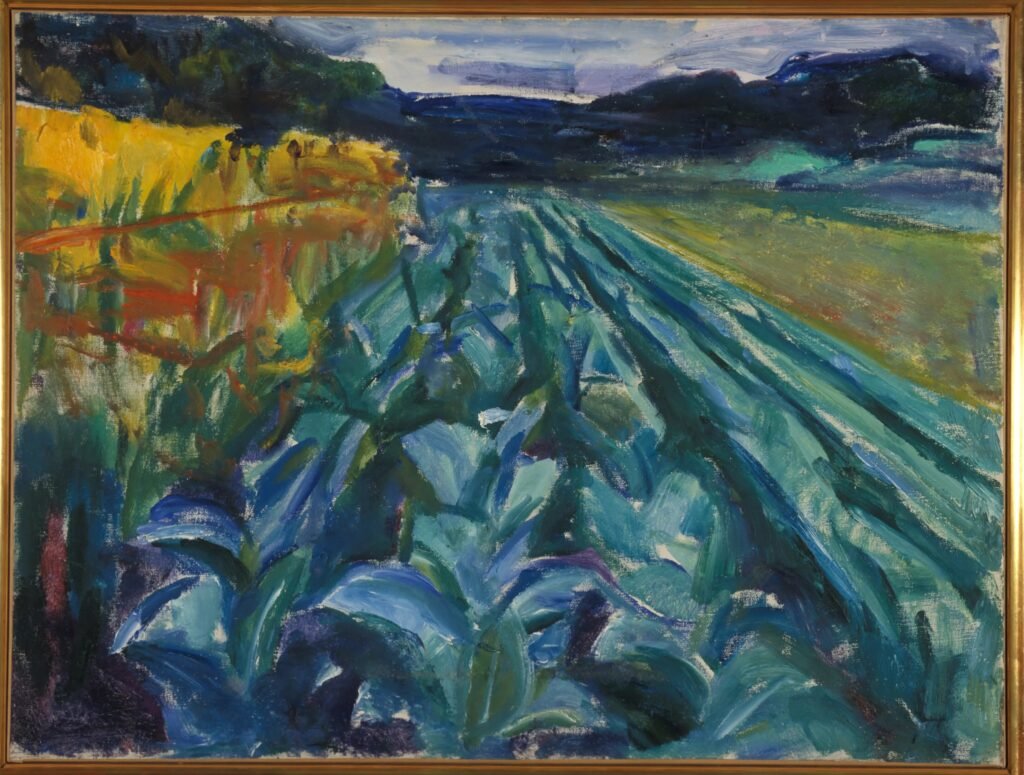
Non accade nulla. Un campo di cavoli si distende sotto una striscia di cielo. In primo piano le piante conservano ancora qualcosa della loro forma; più lontano si sciolgono, diventano tocchi verdi e azzurri, materia senza contorno. Accanto, una zona gialla interrompe il terreno, poi viene il verde più scuro degli alberi e, sopra, il cielo che trattiene l’ultima luce. Non ci sono figure. Nessun volto chiede di essere riconosciuto. Nessun gesto permette di immaginare una storia.
Edvard Munch dipinge Campo di cavoli (1915). Ha poco più di cinquant’anni. Non è il Munch al quale la memoria collettiva ha affidato il compito di rappresentare l’angoscia: non c’è una bocca spalancata, un ponte che precipita verso il fondo, una donna malata, un abbraccio che sembra sul punto di trasformarsi in una ferita. Ci sono soltanto cavoli, terra, alberi. Eppure Karl Ove Knausgård, guardando questo quadro, vede la morte.
La parola compare davanti a un’immagine che non la contiene. O, almeno, che non sembra contenerla. Nulla nel soggetto la annuncia; nessun simbolo la rende decifrabile. Il campo non è abbandonato, il cielo non è funebre, la vegetazione non appare consumata. La morte non si trova nelle cose rappresentate. Entra nel dipinto attraverso lo sguardo di chi lo osserva e, nello stesso tempo, sembra provenire da un punto che quello sguardo non riesce a localizzare. Knausgård tenta di risalire dai propri pensieri ai colori, dalle emozioni alle pennellate, ma la strada si interrompe. Sa che il quadro lo ha raggiunto; non sa dire da dove.
È in questa distanza fra ciò che l’immagine mostra e ciò che produce che comincia il suo libro su Munch. Non dalla vita dell’artista, non dall’infanzia segnata dalla malattia, dalla morte della madre o della sorella, dagli amori e dalle separazioni che la storia dell’arte ha imparato a collocare accanto alle opere. Comincia da un campo che non racconta niente e suscita ciò che, nella vita, è più difficile guardare.
La biografia potrebbe intervenire proprio qui. Potrebbe riempire la distanza, restituire un’origine all’impressione di morte, spiegare perché Munch abbia steso quel verde accanto a quel giallo, perché Knausgård vi riconosca un desiderio di scomparire. Potrebbe ricordare che il pittore aveva superato i cinquant’anni e che anche lo scrittore, mentre osservava il dipinto, si trovava approssimativamente alla stessa età: il punto in cui la parte trascorsa della vita comincia a estendersi più di quella che resta. Due uomini davanti alla medesima inclinazione del tempo. Uno dipinge; l’altro guarda.
Ma neppure questa coincidenza è sufficiente. Ci avvicina a Knausgård, forse, non al quadro. Ci dice qualcosa della sua disponibilità a vedervi la morte, non spiega perché quell’immagine continui a comunicarla a chi non condivide né la sua età né la vita di Munch.
Knausgård è abituato a procedere nella direzione opposta. La sua scrittura espande. Una giornata, un incontro, un gesto domestico possono occupare pagine intere: il colore di una stanza, la disposizione degli oggetti, una frase pronunciata senza intenzione, la vergogna che arriva dopo. Ogni dettaglio ne chiama un altro; ogni ricordo apre un corridoio verso ciò che lo precede.
Munch concentra. Ciò che nella vita è avvenuto in successione — un volto visto, una perdita, una luce sopra gli alberi — nel dipinto è presente nello stesso istante. Il prima e il dopo si contraggono nella tela.
So Much Longing in So Little Space (Harvill Secker, 2019): il titolo contiene già questa sproporzione. Da una parte qualcosa che non conosce limite, il desiderio; dall’altra uno spazio racchiuso dai quattro lati di una tela. Ma lo spazio ridotto non impoverisce ciò che vi entra. Lo intensifica.
Per questo Campo di cavoli è un inizio più esatto dell’Urlo (1893). L’opera celebre arriva già circondata dalle parole che hanno tentato di contenerla. Angoscia, paura, alienazione: termini che si sono depositati sull’immagine fino a confondersi con essa. Il campo del 1915 non possiede ancora una simile protezione. Costringe lo sguardo a sostare davanti a ciò che non sa nominare. Knausgård vi vede la morte, ma la sua frase non chiude il quadro. Lo apre.
Il quadro rimane davanti a noi. I cavoli, la zona gialla, gli alberi, il cielo. Tutto è visibile. È proprio da questa visibilità senza segreto che comincia ciò che non sappiamo.
Lo spazio che non protegge
Ogni racconto ha bisogno di spazio: della distanza che permette agli avvenimenti di disporsi, a una causa di precedere il proprio effetto, a un volto di entrare in una stanza e più tardi uscirne. Anche quando la memoria altera l’ordine, la scrittura deve ricostruire un luogo nel quale il tempo possa tornare a muoversi.
Knausgård ritorna sullo spazio pittorico in Inadvertent, quando osserva come Munch abbia infranto l’organizzazione prospettica nella quale si era formato. Lo spazio realistico è stabile: può accogliere una nascita o una morte, una figura sola o una folla; le sue regole non cambiano. Proprio questa continuità offre a chi guarda una protezione: l’evento occupa una parte dell’immagine, mentre tutto il resto rimane intatto.
In La bambina malata (1885–1886) questa protezione viene meno.
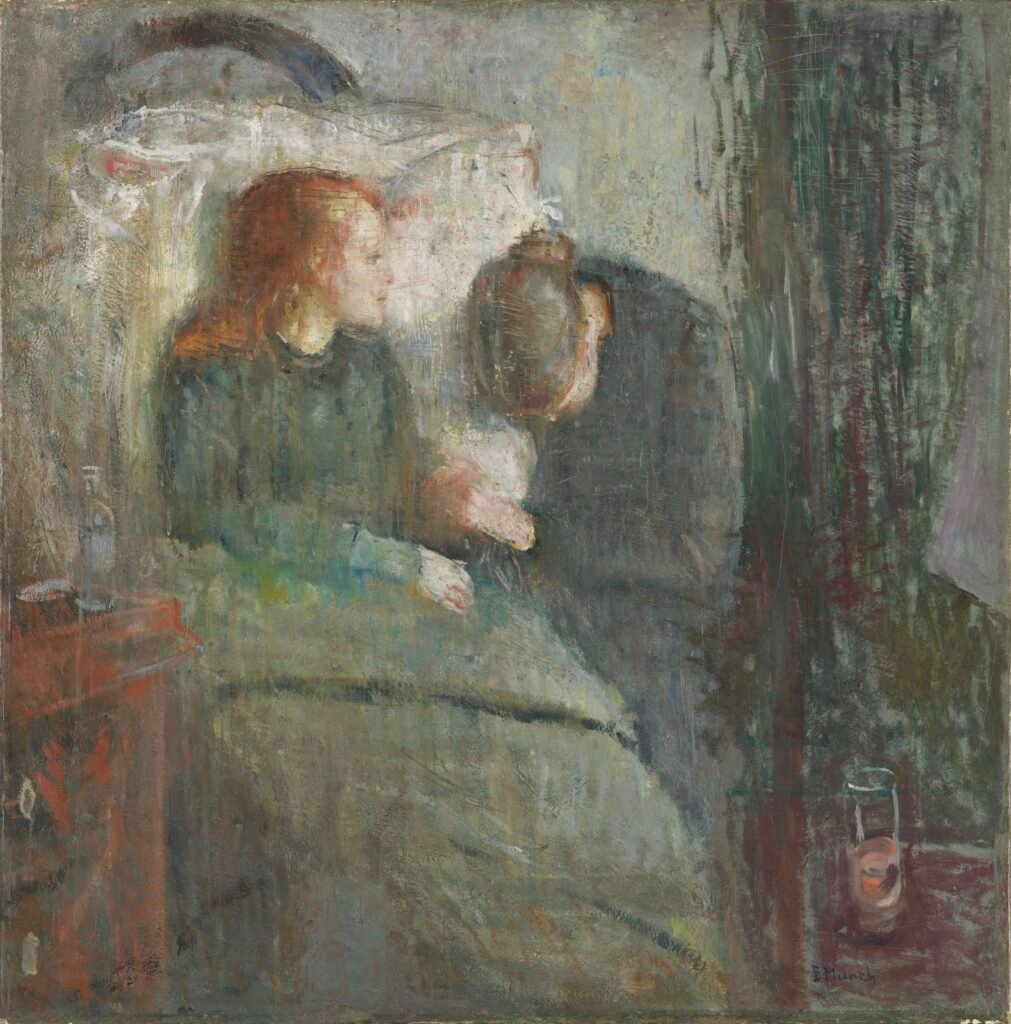
La stanza c’è ancora, così come il letto, la sedia, il bicchiere, il capo chino della donna. Eppure nulla conserva davvero il proprio posto. Le cose sembrano emergere e insieme disfarsi. I contorni non separano: tremano, si interrompono, vengono raschiati. La superficie non lascia che lo sguardo attraversi la stanza con sicurezza. Lo trattiene davanti a sé.
Munch lavorò a lungo su quel dipinto, cancellando, incidendo, sovrapponendo materia. Lasciò che il quadro portasse con sé la propria difficoltà a diventare immagine. Vediamo la pittura mentre perde la capacità di contenere la morte dentro una scena ordinata.
La morte della sorella Sophie appartiene alla biografia di Munch. Il quadro non ricorda al posto del pittore. Continua ad accadere al posto del ricordo.
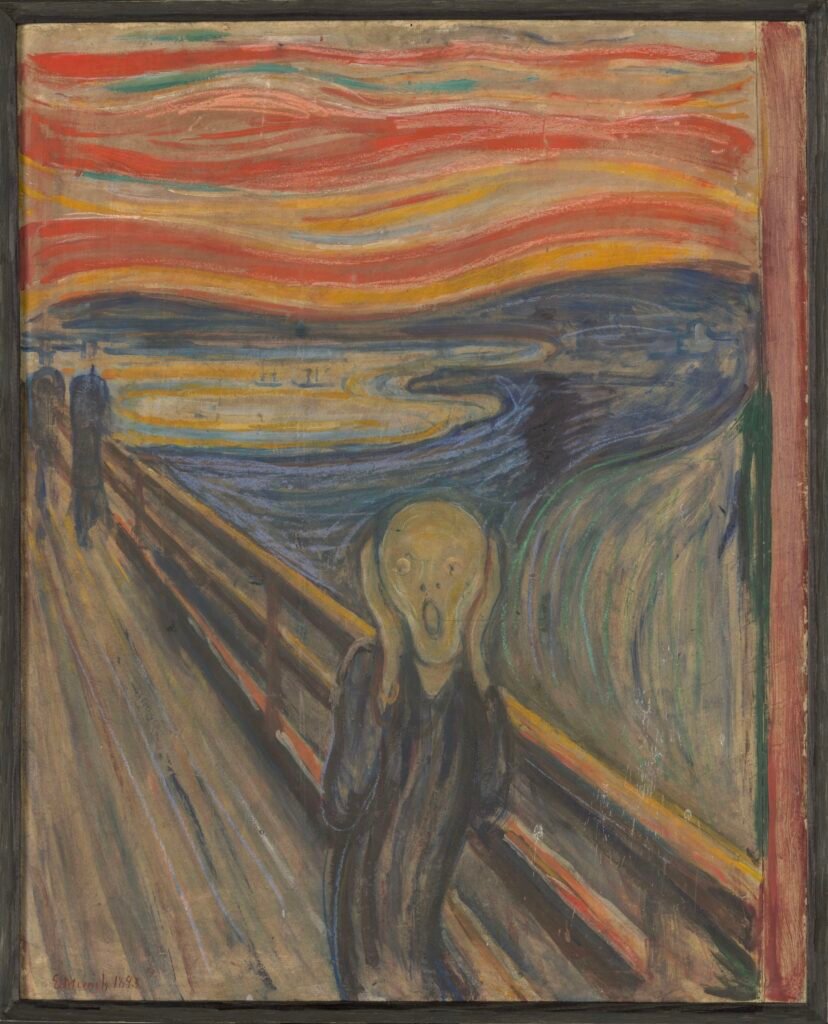
Anche nell’Urlo lo spazio cessa di essere ciò che circonda una figura. Il ponte, il fiordo, il cielo, le linee del paesaggio vengono attratti verso il volto e deformati dalla stessa forza che lo attraversa. Non sappiamo più se il grido provenga dalla bocca, dalla natura o dall’intera superficie. La figura non esprime uno stato d’animo all’interno del mondo: il mondo ha assunto la forma di quello stato.
Non esiste quindi un paesaggio e, davanti ad esso, qualcuno che prova angoscia. L’angoscia è diventata il modo in cui lo spazio si dispone.
È qui che pittura e biografia si separano. La biografia può raccontare l’istante al quale Munch ricondusse l’origine dell’opera: la passeggiata, il cielo diventato rosso, gli amici che proseguono, la sensazione di un grido infinito attraverso la natura. Può ricostruire il luogo, l’ora, le condizioni psichiche. Ma nel quadro questi elementi non conservano più la loro distinzione. Il soggetto che sente e il mondo sentito sono entrati nella medesima curvatura.
Raccontare significa necessariamente restituire loro una successione: prima il cammino, poi l’arresto; prima il cielo, poi la paura. Dipingere, per Munch, significa abolire quel riparo temporale. Tutto è già avvenuto e tutto sta ancora avvenendo.
La scrittura di Knausgård tenta di avvicinarsi all’intensità dei quadri attraverso i luoghi di Munch, le testimonianze, le conversazioni, i propri ricordi. Descrive, ritorna, confronta, cercando nel racconto un accesso a ciò che il quadro ci fa vivere senza raccontarlo.
E quando finalmente è vicina all’immagine, scopre di non avere più alcuna distanza dalla quale proteggerci.
La prospettiva della vita
Davanti a un quadro cerchiamo spesso ciò che è accaduto prima: una morte, un amore, una malattia. Immaginiamo che conoscere quella causa significhi averne raggiunto il centro.
Poche vite sembrano prestarsi a questa operazione quanto quella di Edvard Munch. La madre muore di tubercolosi quando lui ha cinque anni; Sophie, della stessa malattia, quando ne ha tredici. Il padre attraversa periodi di cupa religiosità. Un’altra sorella, Laura, viene ricoverata per disturbi psichici. La gelosia, la separazione, la paura dell’abbandono tornano nei dipinti come figure di una scena già avvenuta.
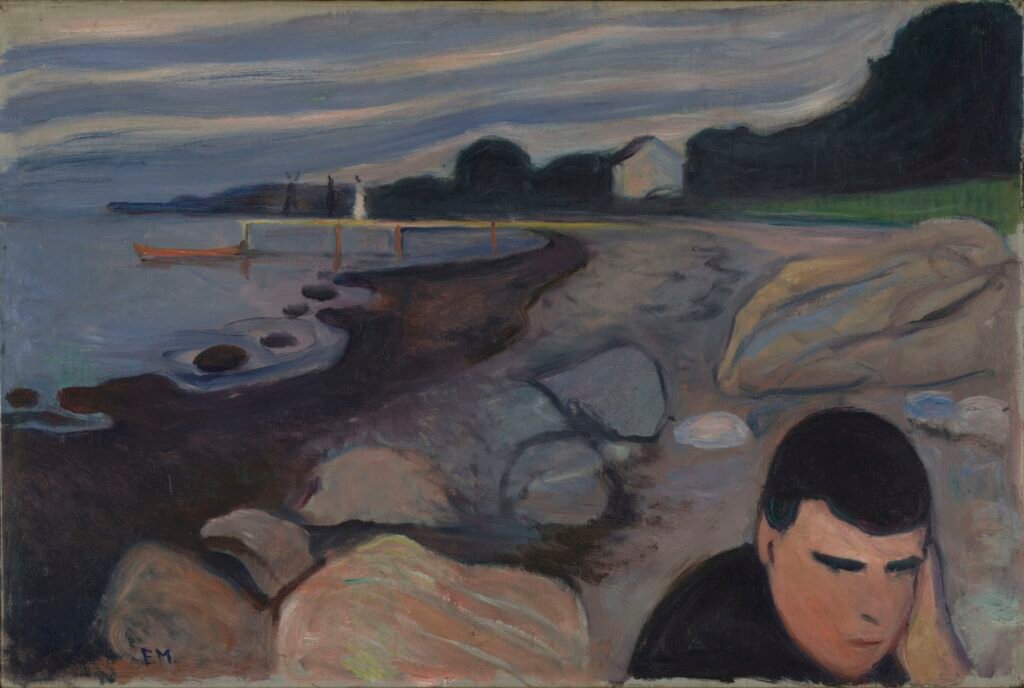
La biografia dispone questi eventi lungo una linea. Accanto a La bambina malata colloca Sophie; accanto a Malinconia (probabilmente 1892), l’amore infelice dell’amico Jappe Nilssen; accanto a Vampiro (1893), la paura del desiderio; accanto all’Urlo, una crisi durante una passeggiata. La vita diventa la legenda dell’immagine. Ma una legenda nomina senza necessariamente spiegare.
È fra queste corrispondenze che Knausgård si muove: legge le lettere, visita i luoghi, incontra studiosi e artisti, osserva i dipinti nei depositi. Non rifiuta la biografia: la attraversa. Sa che ogni colore è stato steso da una mano appartenuta a un corpo, in un giorno preciso. Ma tornando dalle testimonianze alle tele avverte che qualcosa resiste alla coincidenza fra ciò che è accaduto e ciò che vede.
La bambina malata riporta alla morte di Sophie, eppure fra quella morte e la tela intervengono gli anni, il ritorno del ricordo, la resistenza della materia. Il volto perde nitidezza, la luce non illumina ma consuma: il lavoro della pittura si lascia osservare proprio dove il ricordo sembra più riconoscibile.
Mentre lo scrittore segue queste tracce, le stanze hanno cambiato uso e i luoghi hanno perduto la luce sotto la quale erano stati guardati. Le persone amate da Munch sono morte; davanti alle tele, tuttavia, l’emozione si rinnova.
La tentazione di ricomporre una vita rimane. Come la prospettiva, la biografia organizza ciò che vediamo, stabilisce le distanze, assegna a ogni elemento una posizione. L’infanzia, i lutti, le relazioni, la solitudine convergono verso l’opera, che sembra attenderli al termine di una serie di cause.
Munch altera anche questa profondità. Il dolore non è cancellato, ma spersonalizzato; il desiderio conserva la propria forza oltre la vicenda che lo aveva prodotto. L’esperienza non appartiene più soltanto a chi l’ha vissuta: cerca altri corpi nei quali compiersi.
Knausgård porta infatti con sé la propria vita. Davanti al campo di cavoli pensa alla morte forse anche perché ha raggiunto un’età nella quale il tempo non si estende più in tutte le direzioni. Le immagini si mescolano ai suoi ricordi, alla paternità, alla paura di non essere all’altezza dell’arte che tenta di comprendere.
Ma quanto più si avvicina, tanto meno il quadro gli restituisce il suo volto. Trova cavoli, alberi, una parete, un uomo che dipinge; colori che sembrano conoscerlo senza sapere nulla di lui. Il suo turbamento accompagna lo sguardo, ne alimenta le associazioni, senza diventare una chiave.
In questa intimità cresce il libro: la vita dello scrittore incontra quella del pittore, ma nessuna delle due può arrogarsi il diritto di essere la spiegazione ultima. Preparare la mostra darà a questa prossimità anche una forma nello spazio.
Scrivere una mostra
Quando il Munchmuseet invita Knausgård a curare una mostra, davanti allo scrittore c’è un eccesso: centinaia di dipinti, migliaia di opere grafiche, lavori raramente esposti. Alla sua morte, nel 1944, Munch aveva lasciato alla città di Oslo ciò che era rimasto nel suo possesso: prove, variazioni, ritorni, quadri che non avevano trovato un acquirente o non lo avevano mai cercato.
Knausgård rinuncia alla cronologia. Non cerca l’autore dell’Urlo, ma il pittore che quell’immagine celeberrima ha finito per nascondere. Sceglie lavori poco noti e li accosta senza seguire le stagioni della vita.
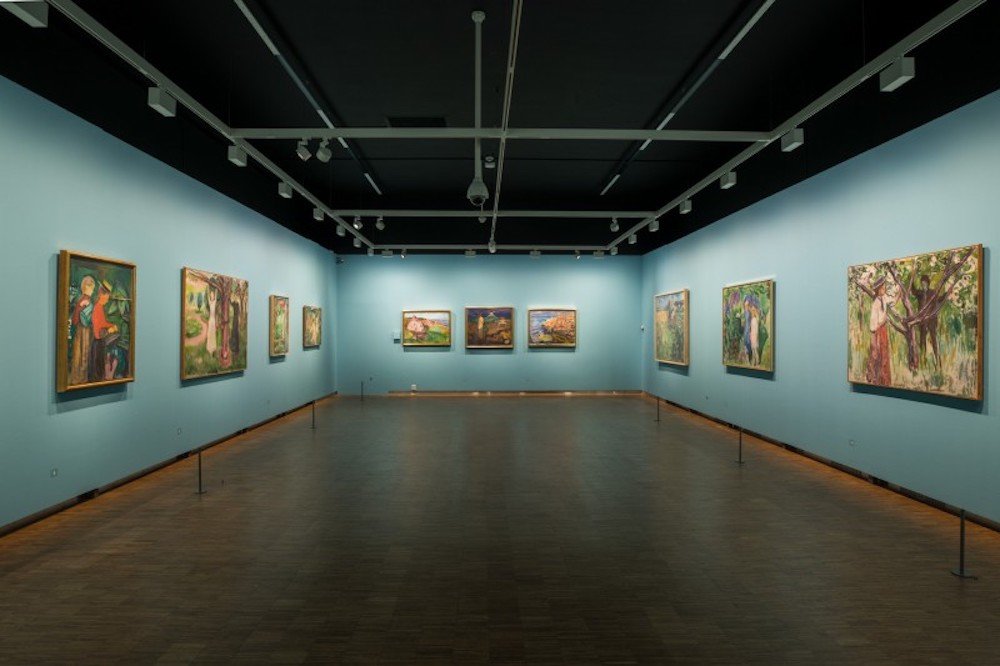
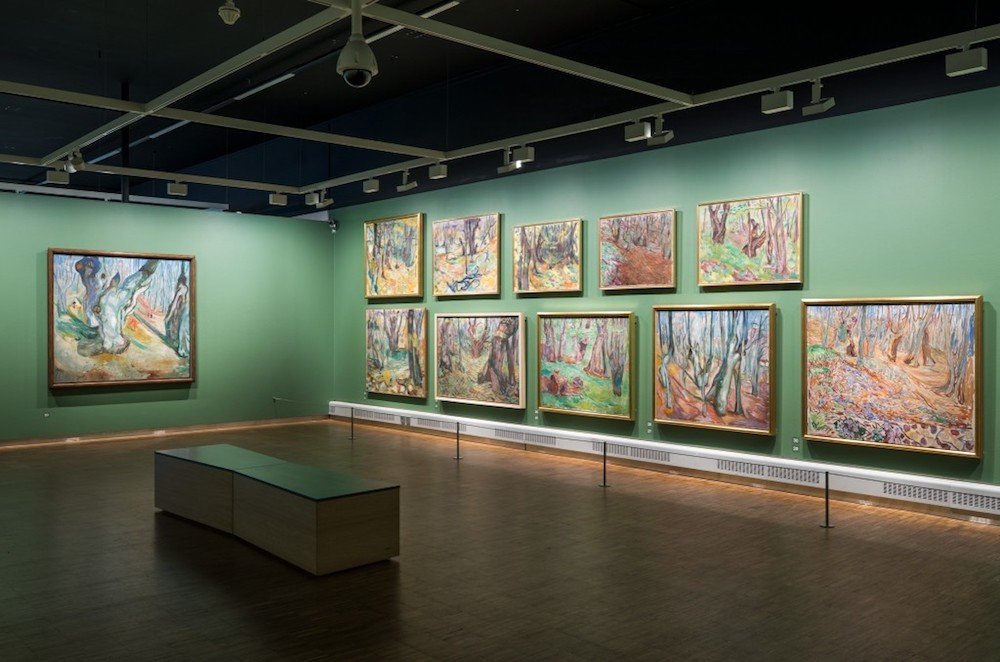
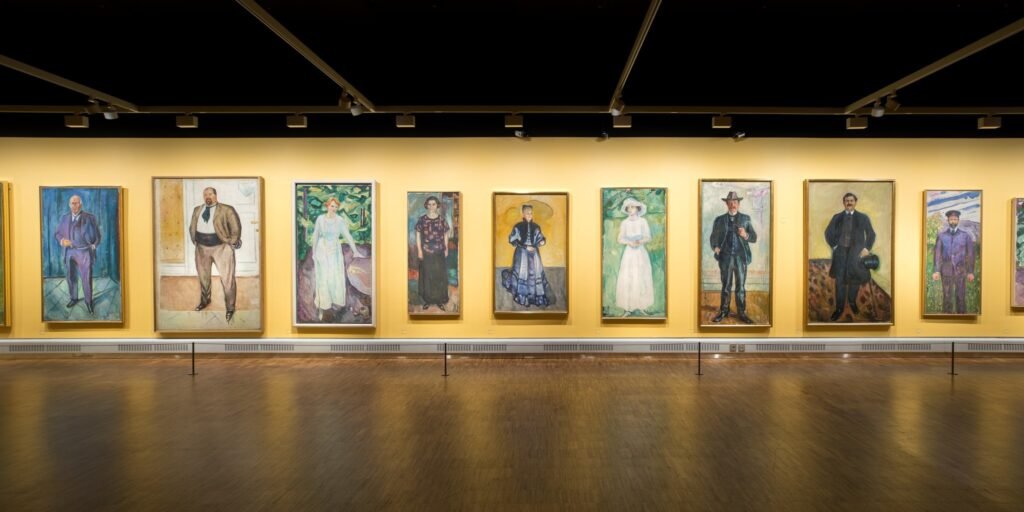
La mostra, realizzata in stretta collaborazione con la curatrice del museo Kari J. Brandtzæg e inaugurata nel 2017 con il titolo Towards the Forest, non procede dagli anni giovanili alla vecchiaia. Comincia nella luce: parchi, giardini, figure immerse nello spazio aperto. Poi le persone si diradano. Rimangono gli alberi, i campi, i sentieri, la natura quando non è più lo sfondo di una presenza umana. Da questi paesaggi vuoti il percorso entra in una zona più instabile: tele graffiate, tagliate, lasciate esposte alle intemperie; colature, abrasioni, pennellate che non tentano di cancellare la propria urgenza. Infine i volti ritornano, raccolti in una stanza fitta di ritratti.
Non è la successione degli eventi a tenere insieme le opere. È una variazione di intensità, simile a quella che attraversa una frase prima ancora che ne comprendiamo il significato. Il visitatore non riceve la storia di Munch: viene condotto dentro una respirazione.
Curare significa qui scrivere senza disporre le parole in una linea. Ogni quadro rimane presente mentre lo sguardo si sposta. Le pareti producono accostamenti; la distanza fra due tele prende il posto della sintassi. Un’opera modifica quella che le sta accanto senza spiegarla. Un volto può continuare in un albero, una luce estiva conservare qualcosa della stanza oscura che verrà più avanti.
Nei suoi libri, l’io stabilisce la continuità fra le cose. Nella mostra quella continuità non è garantita. Knausgård può avvicinare i dipinti, separarli, costruire una cadenza, ma non può parlare al loro posto. Deve consegnare una parte del significato allo spazio vuoto fra le opere.
In questo vuoto il libro su Munch trova la propria forma. Cresce insieme alla mostra, ne accompagna la preparazione, attraversa studi d’artista, conversazioni, viaggi e incertezze. Knausgård incontra Anselm Kiefer, esamina le riproduzioni dei dipinti di Peter Doig, parla con il regista Joachim Trier. Ogni interlocutore apre una direzione e la lascia incompiuta.
Una descrizione conduce a un ricordo personale; il ricordo a una domanda sull’arte; la domanda a un incontro; l’incontro riporta davanti a un dipinto. La digressione non allontana dal soggetto: riproduce il movimento di chi cammina in una mostra, perde un’opera dal proprio campo visivo e la ritrova, più tardi, modificata da tutto ciò che ha visto nel frattempo.
Come curatore, porta fuori dai depositi opere sulle quali il giudizio non si è ancora irrigidito. Espone dipinti irrisolti, fragili, minori. Il pittore dell’angoscia torna a dipingere il sole, il raccolto, la neve, gli alberi.
Nella foresta le persone scompaiono dal paesaggio, ma la loro assenza non rende il mondo vuoto. Si avverte la spinta verticale dei tronchi, il terreno che si inclina, il colore che cresce oltre il proprio oggetto.
I volti non sono più il centro dal quale il mondo viene osservato: ricompaiono alla fine del percorso, dopo gli alberi, le superfici ferite, i paesaggi senza figure, e tornano come una parte del visibile, non come ciò che lo domina.
Ciò che continua
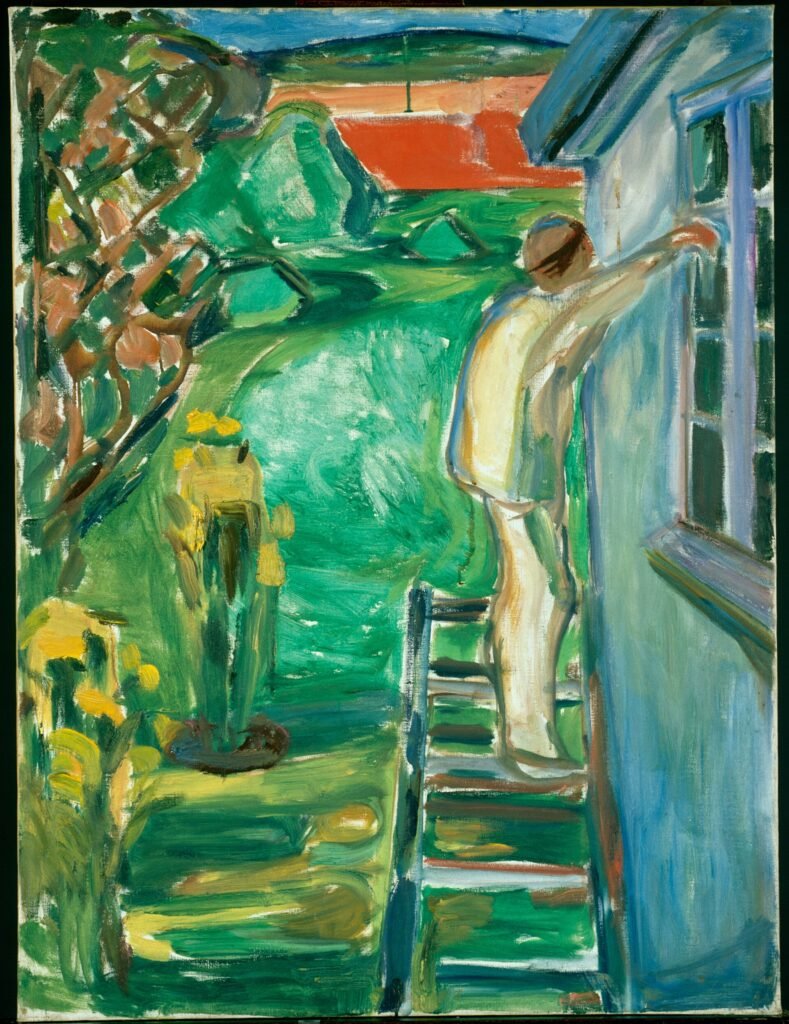
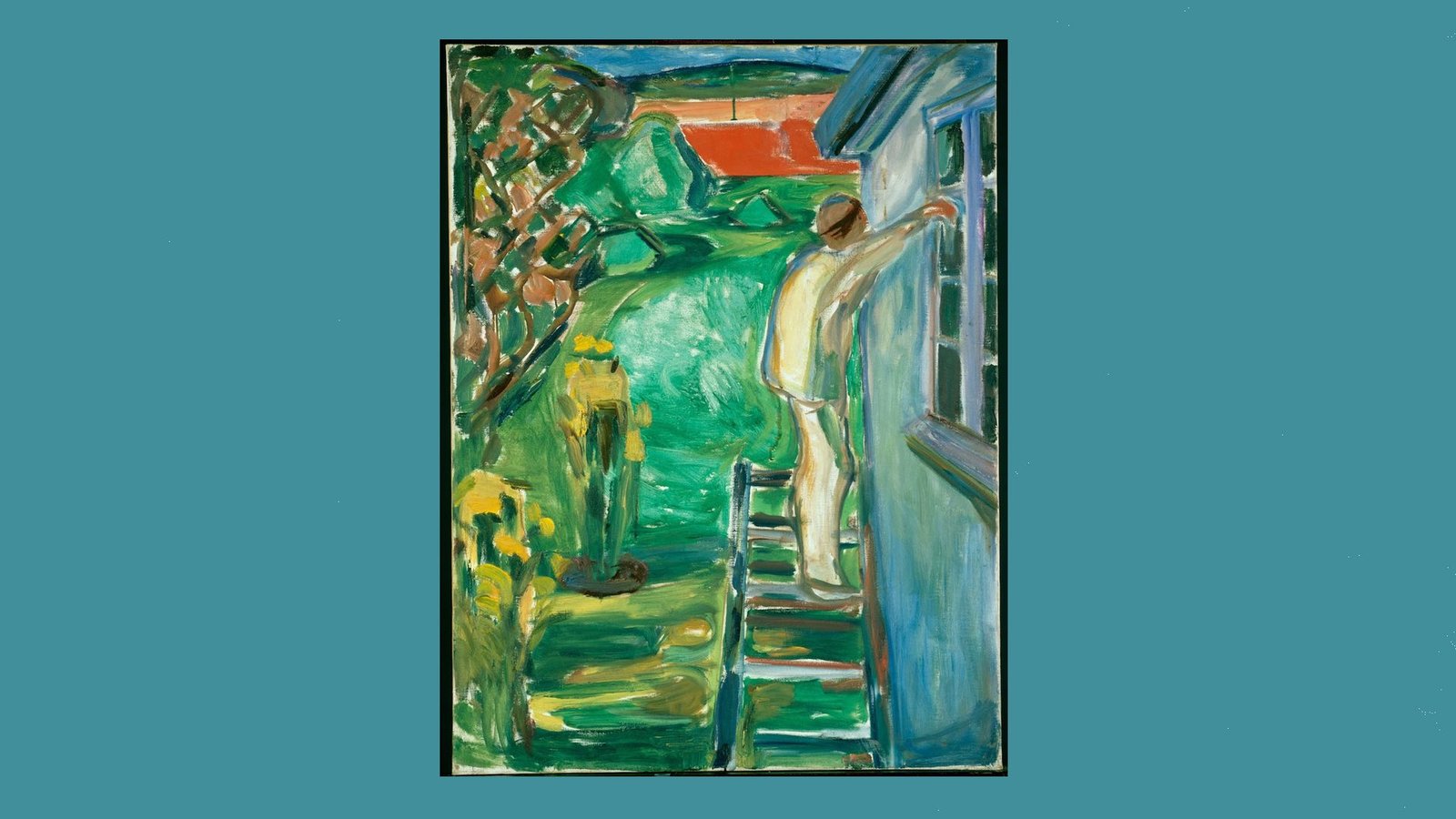
Verso la fine del libro, Knausgård si ferma davanti a uno degli ultimi dipinti di Munch. In Painter by the Wall (1942) un uomo sopra una scala dipinge la parete esterna di una casa. Il sole illumina il muro, il terreno, gli alberi. La scena non custodisce alcun dramma apparente. Il pittore che compare nel titolo non è un artista davanti alla tela, ma un imbianchino al lavoro: il braccio sollevato, il pennello rivolto verso una superficie che deve essere ricoperta.
Knausgård si domanda quale differenza esista fra quell’uomo e Munch. L’uno ricopre una casa; l’altro costruisce un’immagine. Entrambi immergono un pennello nel colore, sollevano il braccio, lasciano una traccia. Dopo un’intera vita trascorsa a interrogare che cosa significhi dipingere, Munch sembra rispondere cancellando la distanza fra l’arte e il lavoro.
Il quadro lascia però le due azioni una accanto all’altra. Un uomo dipinge un muro; Munch dipinge l’uomo che dipinge il muro. Fra la parete rappresentata e la tela sulla quale essa appare rimane uno scarto sottile, quasi impercettibile, che lo sguardo percorre senza riuscire a fissarlo in una definizione.
È lungo questo scarto che torna la domanda sulla qualità, inseguita da Knausgård per tutto il libro. Aveva cercato un criterio capace di distinguere il capolavoro dal dipinto lasciato nei depositi. Ma ogni risposta aveva spostato la domanda: ciò che sembrava evidente si ritraeva, appena nominato, dentro il colore, il ritmo, il rapporto fra una figura e lo spazio che la circondava.
Davanti all’imbianchino, lo sguardo segue il braccio alzato, la verticale della scala, l’estensione luminosa del muro. L’attenzione prende il ritmo di un lavoro. La presenza di cui parla Hans Ulrich Gumbrecht si avverte in questo coinvolgimento: prima di offrirsi come significato, l’opera occupa uno spazio e raggiunge il corpo di chi la osserva. Il gesto ordinario trattiene così lo sguardo quanto lo aveva trattenuto un volto stravolto, ma gli chiede un’altra disposizione. Per Henri Maldiney l’incontro è un evento che trasforma chi guarda; qui basta il tempo trascorso davanti a una parete dipinta perché il lavoro quotidiano acquisti un’evidenza inattesa.
Il braccio dell’imbianchino rimane sollevato; cambia il tempo di chi gli sta davanti. Ogni nuovo sguardo consegna al dipinto un presente che Munch non ha conosciuto.
Descrivere il muro, la scala, il colore significa indugiare accanto a un gesto che il passante avrebbe appena notato. La scrittura gli restituisce la durata di un’attenzione.
Resta l’uomo sulla scala. Resta il muro sul quale il colore viene steso. Resta Munch, ormai vicino alla fine, che osserva quel gesto e lo dipinge. Resta Knausgård che, molti anni dopo, lo guarda e vi riconosce la possibilità che la pittura continui anche quando non ha più nulla da spiegare.
Nel 1944 la vita di Edvard Munch finisce. Ciò che accade nei suoi quadri, invece, non ha ancora finito di accadere.
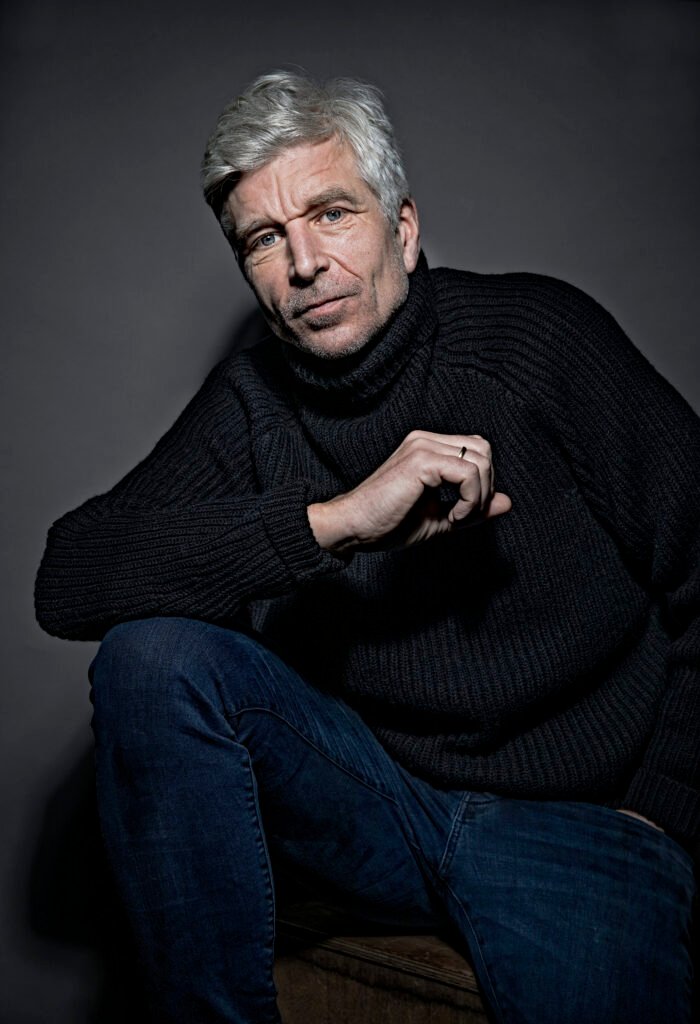
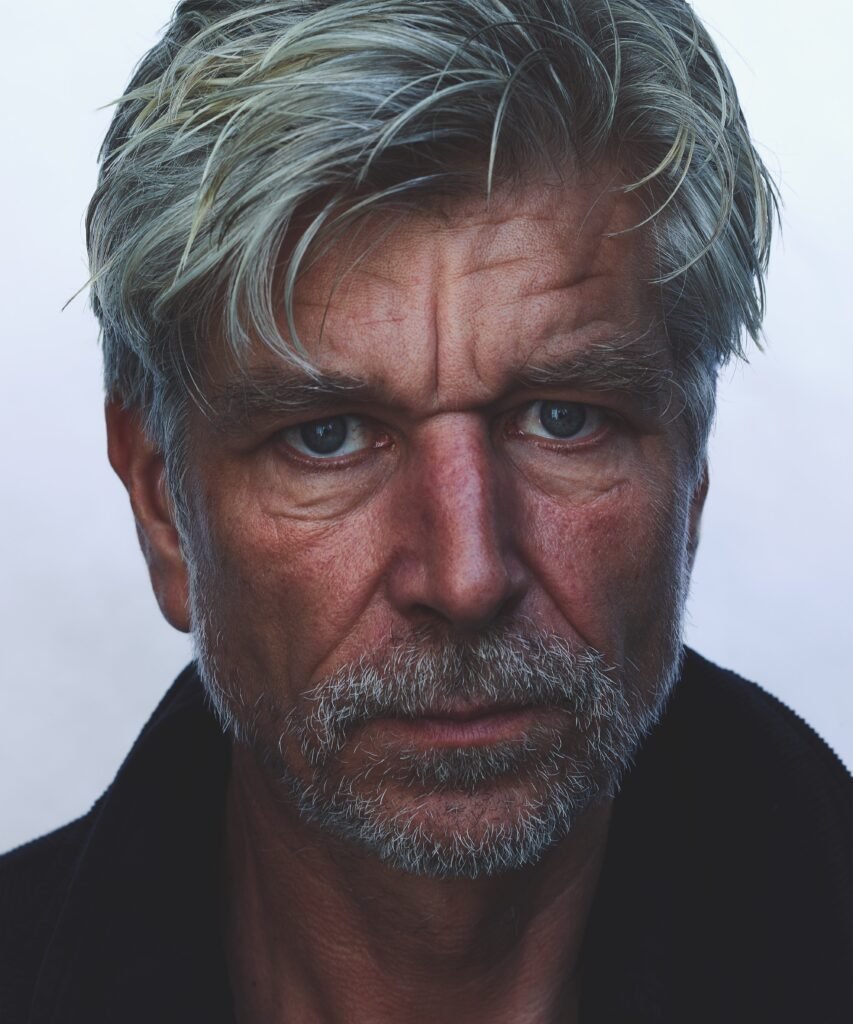
Karl Ove Knausgård (Oslo, 1968) è uno scrittore norvegese. Ha raggiunto la notorietà internazionale con La mia lotta, ciclo autobiografico in sei volumi nel quale la vita quotidiana diventa materia di una radicale indagine letteraria. La sua opera intreccia narrativa, memoria e riflessione sull’arte, esplorando il rapporto tra esperienza, rappresentazione e scrittura.
FIGURES, Written #6
The Measure of Painting | Karl Ove Knausgård and What Life Does Not Explain
Text by Rita Selvaggio
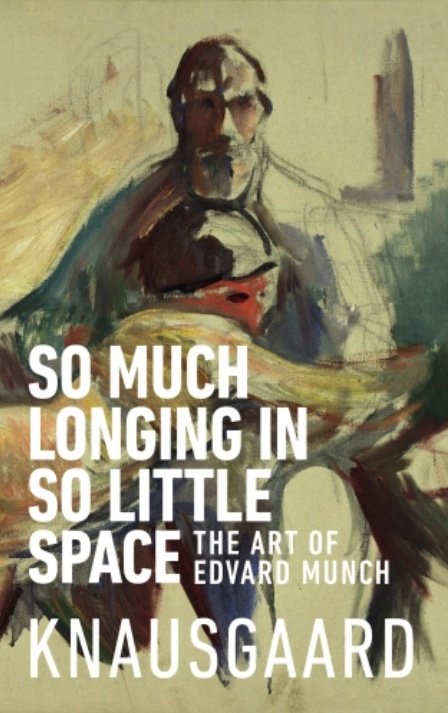
In So Much Longing in So Little Space: The Art of Edvard Munch, published in Norwegian in 2017 and in English in 2019, Karl Ove Knausgård weaves together close readings of paintings, personal memories and encounters with artists to explore the power of Munch’s art. Written during the preparation of Towards the Forest: Knausgård on Munch (Munchmuseet, Oslo, 6 May–8 October 2017), the book explores what images allow us to experience beyond what biography can explain.
A Field of Cabbages
Nothing happens. A field of cabbages stretches beneath a strip of sky. In the foreground, the plants still retain something of their shape; further away, they dissolve into touches of green and blue, matter without an outline. Beside them, a patch of yellow interrupts the stretch of earth, followed by the darker green of the trees and, above, a sky holding the last of the light. There are no figures. No face asks to be recognised. No gesture suggests a story.
Edvard Munch paints Cabbage Field (1915). He is in his early fifties. This is not the Munch whom collective memory has entrusted with the task of representing anguish: there is no gaping mouth, no bridge plunging into the distance, no sick woman, no embrace seemingly about to become a wound. Only cabbages, earth, trees. Yet Karl Ove Knausgård, looking at this painting, sees death.
The word appears before an image that does not contain it. Or, at least, does not seem to. Nothing in the subject announces it; no symbol makes it legible. The field is not abandoned, the sky is not funereal, the vegetation does not look depleted. Death is not among the things depicted. It enters the painting through the viewer’s gaze and, at the same time, seems to come from somewhere that gaze cannot locate. Knausgård tries to trace his thoughts back to the colours, his emotions to the brushstrokes, but the path breaks off. He knows the painting has reached him; he cannot say from where.
His book on Munch begins in this distance between what an image shows and what it brings about. Not with the artist’s life, not with a childhood marked by illness, the deaths of his mother and sister, the loves and separations that art history has learnt to place beside the works. It begins with a field that tells no story and summons what, in life, is hardest to face.
Biography could step in here. It could bridge the distance, trace the sense of death to its source, explain why Munch laid that green beside that yellow, why Knausgård recognises in it a wish to disappear. It could recall that the painter was over fifty, and that the writer, looking at the painting, was roughly the same age: the point at which the life behind us begins to stretch further than the life remaining. Two men facing the same tilt of time. One paints; the other looks.
But even this coincidence is not enough. It brings us closer to Knausgård, perhaps, not to the painting. It tells us something about his readiness to see death there; it does not explain why the image continues to convey it to those who share neither his age nor Munch’s life.
Knausgård is accustomed to moving in the opposite direction. His writing expands. A day, an encounter, a domestic gesture can occupy whole pages: the colour of a room, the arrangement of objects, a casually spoken phrase, the shame that follows. Each detail calls up another; each memory opens a corridor towards what came before it.
Munch concentrates. What happened successively in life — a face seen, a loss, light above the trees — is present in the painting at the same instant. Before and after contract within the canvas.
So Much Longing in So Little Space (Harvill Secker, 2019): the title already holds this disproportion. On one side, something without limits, longing; on the other, a space enclosed by the four edges of a canvas. Yet the smallness of that space does not diminish what enters it. It intensifies it.
This is why Cabbage Field is a more exact beginning than The Scream (1893). The famous work arrives surrounded by words that have tried to contain it. Anguish, fear, alienation: terms that have settled over the image until they have become indistinguishable from it. The field of 1915 has no such protection yet. It makes us pause before what we cannot name. Knausgård sees death in it, but his sentence does not close the painting. It opens it.
The painting remains before us. The cabbages, the patch of yellow, the trees, the sky. Everything is visible. What we do not know begins precisely in this visibility with nothing concealed.
The Space That Does Not Protect
Every narrative needs space: the distance that allows events to arrange themselves, a cause to precede its effect, a face to enter a room and later leave it. Even when memory changes the order, writing must reconstruct a place in which time can move again.
Knausgård returns to pictorial space in Inadvertent, observing how Munch broke with the perspective in which he had been trained. Realistic space is stable: it can accommodate a birth or a death, a solitary figure or a crowd; its rules do not change. It is precisely this continuity that offers the viewer protection: the event occupies one part of the image, while everything else remains intact.
In The Sick Child (1885–1886), this protection falls away.
The room is still there, as are the bed, the chair, the glass, the woman’s bowed head. Yet nothing quite holds its place. Things seem to emerge and come apart at once. The outlines do not separate: they tremble, break off, are scraped away. The surface does not allow the gaze to move confidently through the room. It holds it before itself.
Munch worked on the painting for a long time, erasing, incising, layering paint. He allowed it to carry the difficulty of becoming an image. We see painting as it loses the ability to contain death within an ordered scene.
The death of his sister Sophie belongs to Munch’s biography. The painting does not remember on the painter’s behalf. It goes on happening in place of memory.
In The Scream, too, space ceases to be what surrounds a figure. The bridge, the fjord, the sky, the lines of the landscape are drawn towards the face and distorted by the same force that passes through it. We no longer know whether the scream comes from the mouth, from nature or from the entire surface. The figure does not express a state of mind within the world: the world has taken the shape of that state.
There is no landscape, then, with someone standing before it in anguish. Anguish has become the way space arranges itself.
Here painting and biography part ways. Biography can recount the moment to which Munch traced the work’s origin: the walk, the sky turning red, the friends continuing on their way, the sensation of an infinite scream passing through nature. It can reconstruct the place, the hour, the psychological conditions. But in the painting these elements no longer remain distinct. The feeling subject and the world as felt have entered the same curvature.
To tell the story necessarily means restoring a sequence: first the walk, then the halt; first the sky, then the fear. For Munch, painting means abolishing that shelter in time. Everything has already happened, and everything is still happening.
Knausgård’s writing tries to approach the paintings’ intensity through Munch’s places, testimonies, conversations, his own memories. It describes, returns, compares, seeking through narrative a way into what the painting makes us experience without narrating it.
And when it finally draws close to the image, it discovers that there is no longer any distance from which to protect us.
The Perspective of Life
Before a painting, we often look for what happened earlier: a death, a love, an illness. We imagine that knowing the cause means reaching the work’s centre.
Few lives seem as amenable to this approach as Edvard Munch’s. His mother dies of tuberculosis when he is five; Sophie, of the same illness, when he is thirteen. His father goes through periods of sombre religious fervour. Another sister, Laura, is admitted to hospital with psychiatric problems. Jealousy, separation, the fear of abandonment return in the paintings like figures from a scene that has already taken place.
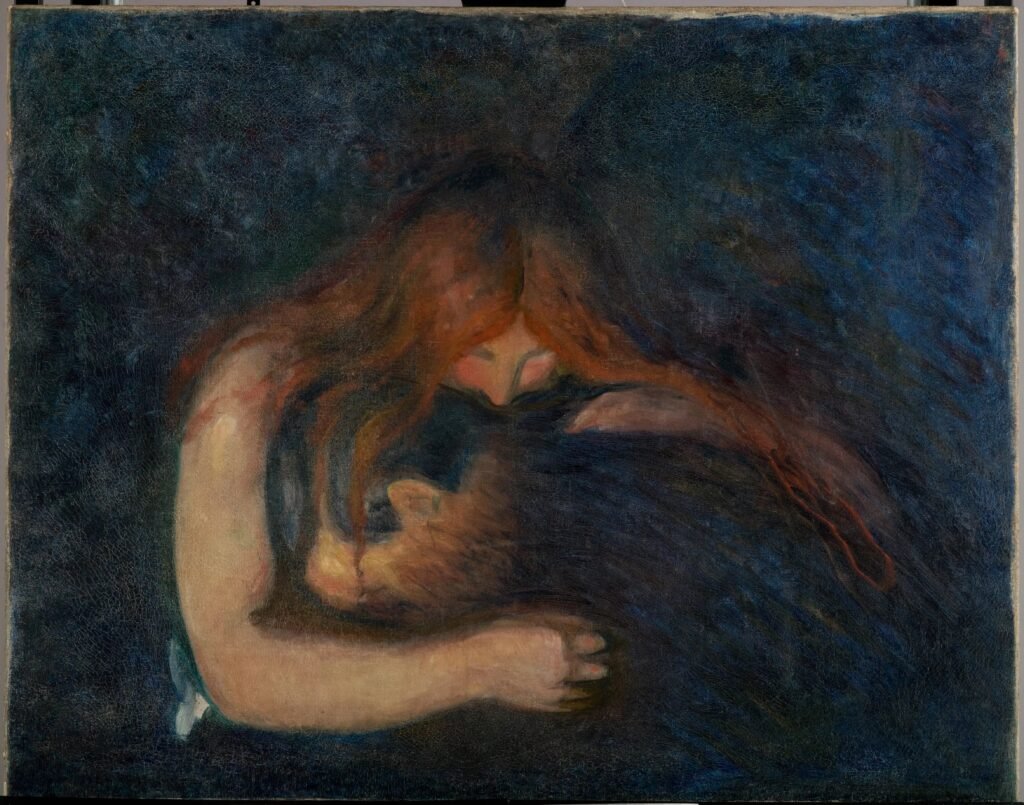
Biography arranges these events along a line. Beside The Sick Child it places Sophie; beside Melancholy (probably 1892), his friend Jappe Nilssen’s unhappy love; beside Vampire (1893), the fear of desire; beside The Scream, a crisis during a walk. Life becomes the image’s legend. But a legend names without necessarily explaining.
Knausgård moves among these correspondences: he reads letters, visits places, meets scholars and artists, looks at paintings in storage. He does not reject biography: he passes through it. He knows that every colour was laid down by a hand belonging to a body, on a particular day. Yet, returning from testimonies to canvases, he senses something resisting the coincidence between what happened and what he sees.
The Sick Child leads back to Sophie’s death, yet between that death and the canvas lie the intervening years, the return of memory, the resistance of matter. The face loses definition; the light does not illuminate but consumes: the work of painting becomes visible precisely where the memory seems most recognisable.
As the writer follows these traces, the rooms have changed their use and the places have lost the light in which they were once seen. Those Munch loved are dead; before the canvases, however, emotion is renewed.
The temptation to piece a life together remains. Like perspective, biography organises what we see, establishes distances, assigns each element a position. Childhood, bereavements, relationships, solitude converge on the work, which seems to await them at the end of a chain of causes.
Munch alters this depth too. Pain is not erased, but depersonalised; desire retains its force beyond the circumstances that produced it. Experience no longer belongs solely to the person who lived it: it seeks other bodies in which to unfold.
Knausgård does, indeed, bring his own life with him. Before the cabbage field he thinks of death, perhaps also because he has reached an age at which time no longer stretches in every direction. The images mingle with his memories, with fatherhood, with the fear of falling short of the art he is trying to understand.
Yet the closer he comes, the less the painting gives him back his own face. He finds cabbages, trees, a wall, a man painting; colours that seem to know him without knowing anything about him. His unease accompanies his gaze, feeds its associations, without becoming a key.
The book grows within this intimacy: the writer’s life meets the painter’s, but neither can claim the right to be the final explanation. Preparing the exhibition will give this proximity a spatial form as well.
Writing an Exhibition
When the Munchmuseet invites Knausgård to curate an exhibition, the writer faces an abundance: hundreds of paintings, thousands of prints, rarely exhibited works. At his death in 1944, Munch had left the City of Oslo everything still in his possession: trial pieces, variations, reworkings, paintings that had never found a buyer or had never sought one.
Knausgård sets chronology aside. He is not looking for the artist of The Scream, but for the painter that celebrated image has come to obscure. He chooses little-known works and places them together without following the seasons of a life.
The exhibition, developed in close collaboration with the museum’s curator Kari J. Brandtzæg and opened in 2017 under the title Towards the Forest, does not proceed from youth to old age. It begins in light: parks, gardens, figures immersed in open space. Then the people grow fewer. Trees, fields, paths remain; nature when it is no longer the backdrop to a human presence. From these empty landscapes the route enters a more unstable territory: canvases scratched, cut, left exposed to the weather; drips, abrasions, brushstrokes that make no attempt to erase their urgency. Finally, faces return, gathered in a room crowded with portraits.
It is not the sequence of events that holds the works together. It is a variation of intensity, like the one that runs through a sentence before we have grasped its meaning. The visitor is not given Munch’s story, but drawn into a rhythm of breathing.
Here curating means writing without arranging words along a line. Each painting remains present as the gaze moves on. The walls bring works together; the distance between two canvases takes the place of syntax. One work changes its neighbour without explaining it. A face may continue in a tree, summer light retain something of the dark room that lies further ahead.
In his books, the self establishes continuity between things. In the exhibition, that continuity is not assured. Knausgård can bring paintings together, separate them, build a cadence, but he cannot speak for them. He must hand over some of their meaning to the empty space between the works.
The book on Munch finds its form in this space. It grows alongside the exhibition, accompanies its preparation, moves through artists’ studios, conversations, journeys and uncertainties. Knausgård meets Anselm Kiefer, studies reproductions of Peter Doig’s paintings, speaks to the filmmaker Joachim Trier. Each interlocutor opens a path and leaves it unfinished.
A description leads to a personal memory; the memory to a question about art; the question to an encounter; the encounter brings us back before a painting. Digression does not lead away from the subject: it recreates the movement of someone walking through an exhibition, losing sight of a work and finding it again later, altered by everything seen in the meantime.
As a curator, he brings works out of storage before judgements about them have hardened. He exhibits unresolved, fragile, minor paintings. The painter of anguish returns to painting the sun, the harvest, the snow, the trees.
In the forest, people disappear from the landscape, but their absence does not empty the world. We sense the upward thrust of the trunks, the sloping ground, colour growing beyond its object.
Faces are no longer the centre from which the world is observed: they reappear at the end of the route, after the trees, the wounded surfaces, the landscapes without figures, returning as part of the visible, not as what dominates it.
What Continues
Towards the end of the book, Knausgård pauses before one of Munch’s last paintings. In Painter by the Wall (1942), a man on a ladder is painting the outside wall of a house. The sun lights the wall, the ground, the trees. There is no apparent drama in the scene. The painter of the title is not an artist before a canvas but a house painter at work: his arm raised, his brush directed towards a surface that needs covering.
Knausgård wonders what difference there is between this man and Munch. One coats a house; the other makes an image. Both dip a brush into paint, raise an arm, leave a mark. After a lifetime of asking what it means to paint, Munch seems to answer by erasing the distance between art and labour.
Yet the painting leaves the two actions side by side. A man paints a wall; Munch paints the man painting the wall. Between the depicted wall and the canvas on which it appears, there remains a slight, almost imperceptible gap, which the gaze moves across without being able to capture it in a definition.
It is within this gap that the question of quality returns, pursued by Knausgård throughout the book. He had sought a criterion that would distinguish the masterpiece from the painting left in storage. But every answer had shifted the question: what had seemed self-evident withdrew, as soon as it was named, into colour, rhythm, the relationship between a figure and the space around it.
Before the house painter, the gaze follows the raised arm, the ladder’s vertical line, the luminous expanse of the wall. Attention takes on the rhythm of work. The presence of which Hans Ulrich Gumbrecht speaks can be felt in this involvement: before offering itself as meaning, the work occupies space and reaches the body of its viewer. The ordinary gesture thus holds the gaze as much as a distraught face once held it, but asks for a different disposition. For Henri Maldiney, the encounter is an event that transforms the viewer; here, time spent before a painted wall is enough for everyday labour to take on an unexpected salience.
The house painter’s arm remains raised; the time of the person standing before him changes. Each new gaze gives the painting a present Munch never knew.
To describe the wall, the ladder, the colour is to linger beside a gesture a passer-by would barely have noticed. Writing restores to it the duration of an act of attention.
The man on the ladder remains. The wall on which the paint is laid remains. Munch remains, now close to the end, observing that gesture and painting it. Knausgård remains, looking at it many years later and recognising the possibility that painting might continue even when it has nothing left to explain.
In 1944, Edvard Munch’s life ends. What happens in his paintings, however, has not yet finished happening.
Karl Ove Knausgård (born in Oslo in 1968) is a Norwegian writer. He gained international recognition with My Struggle, a six-volume autobiographical cycle that turns everyday life into the subject of a radical literary inquiry. His work weaves together fiction, memory and essays on art, exploring the relationship between experience, representation and writing.