Scroll down for English Version
Figure della scrittura, a cura di Rita Selvaggio, esplora i passaggi tra arte e letteratura: non cerca nelle parole l’equivalente di un’immagine, ma osserva che cosa accade quando un artista, un’opera o un ritratto diventano materia letteraria e ne trasformano la forma.
Il quadro non è uno specchio
Un quadro può sapere qualcosa di chi lo guarda? Non semplicemente rifletterne l’umore o risvegliare un ricordo, ma custodire una conoscenza che quella persona non ha ancora formulato: una paura rimasta senza nome, una disposizione del corpo, il modo in cui una famiglia ha insegnato a vedere e, insieme, a non vedere. È quanto accade in Il nervo ottico di María Gainza. Le opere che attraversano il libro non illustrano la vita della narratrice. Sembrano piuttosto precederla, come se avessero riconosciuto qualcosa di lei prima ancora che lei potesse riconoscerlo in sé stessa.
Il quadro, allora, non è uno specchio. Lo specchio presuppone un volto già formato, una figura che esiste prima della propria immagine. I dipinti di Gainza compiono un’operazione diversa: non confermano un’identità, la fanno affiorare. Dopo l’incontro con l’opera, l’io non coincide più interamente con quello che era prima di osservarla.
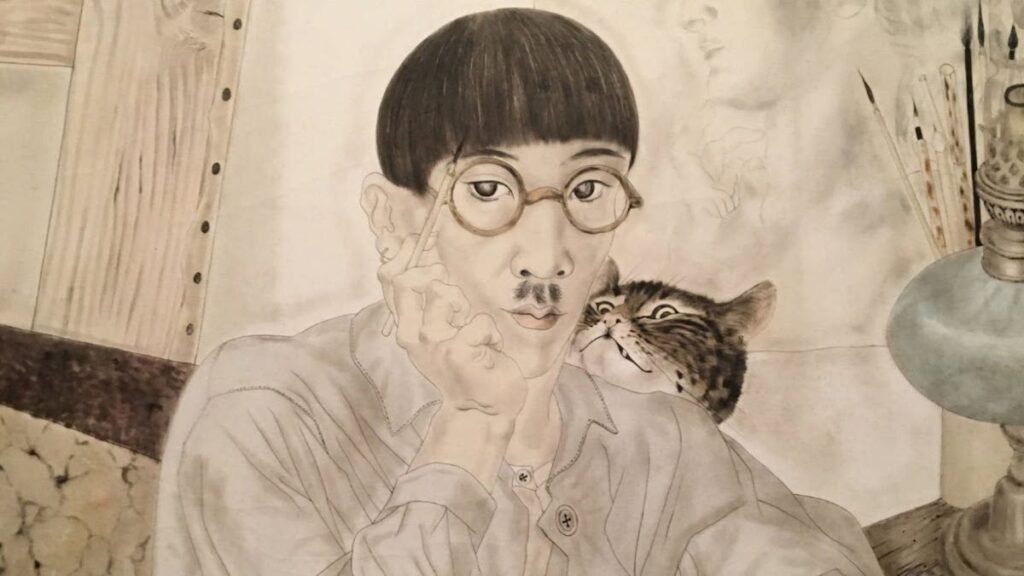
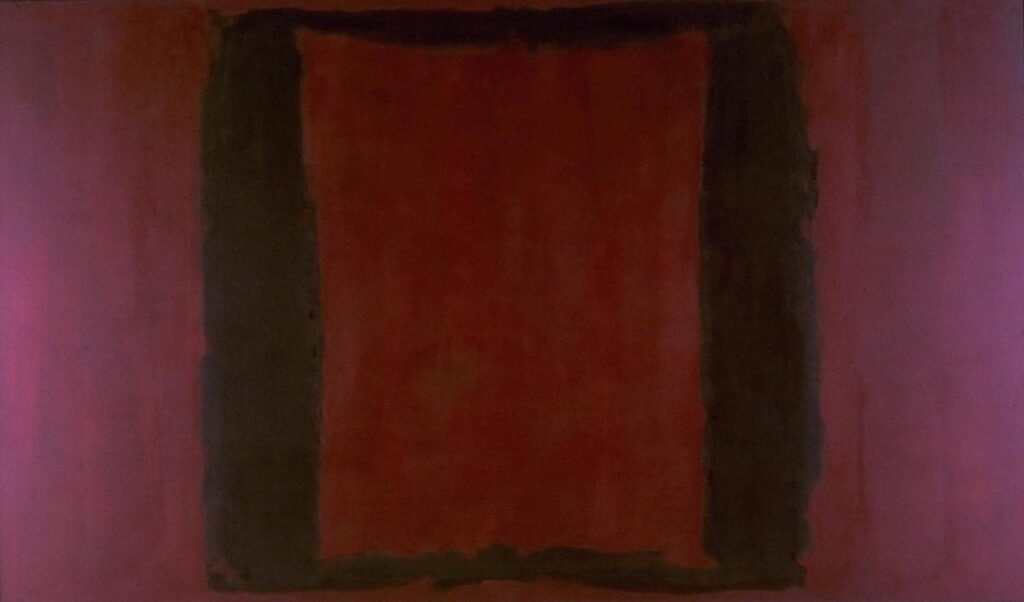
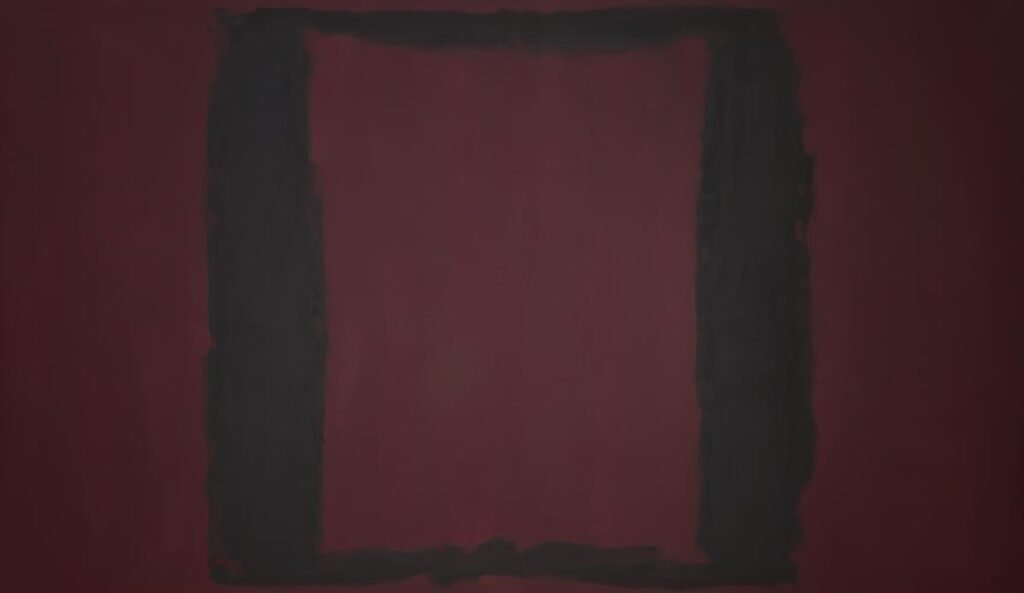
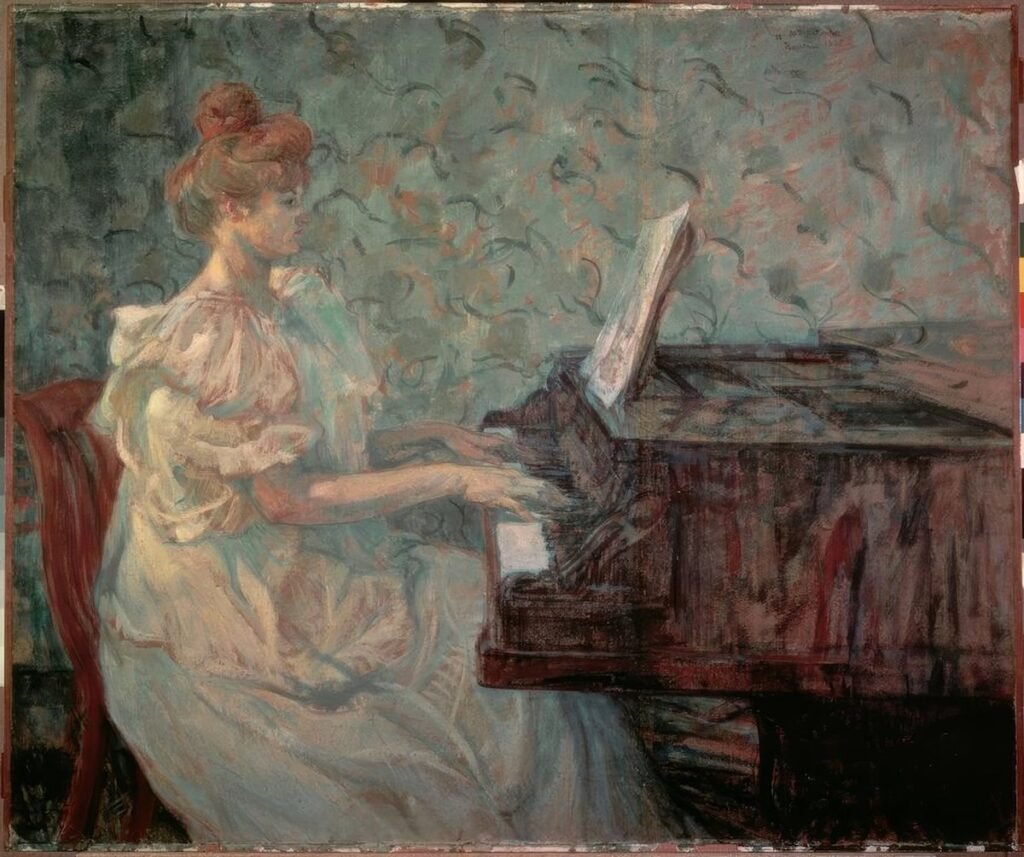
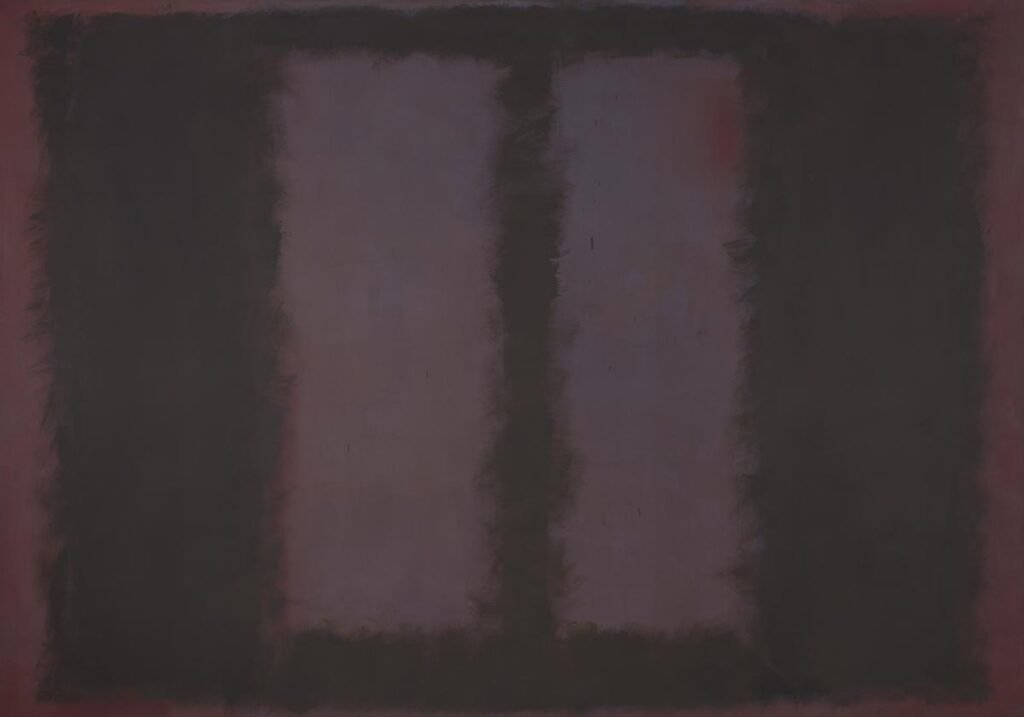
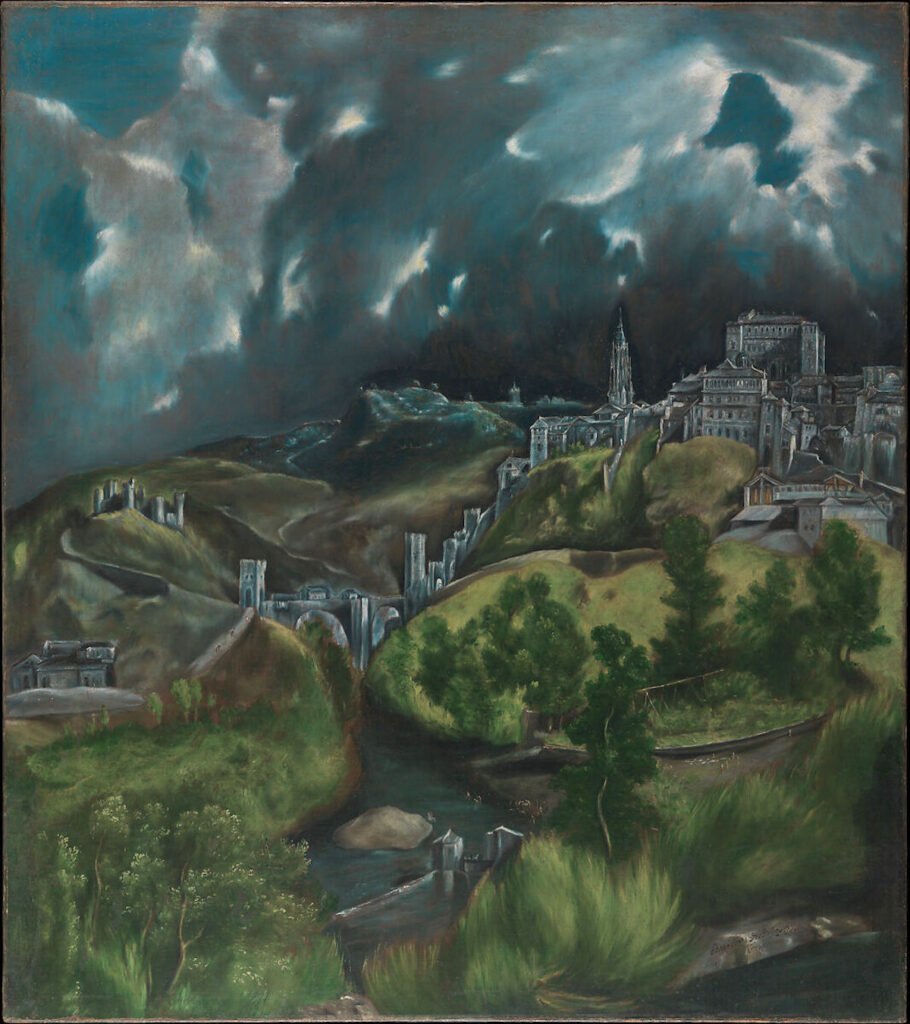
Il libro procede attraverso Courbet, Rothko, Toulouse-Lautrec, El Greco, Foujita, Cándido López, Augusto Schiavoni. Da ciascun artista si apre una deviazione verso l’infanzia, la madre, la classe sociale, il matrimonio, la malattia, la perdita. Eppure questi frammenti non ricostruiscono una vita: ne fanno apparire le zone intermittenti. Gainza non parte da sé per arrivare all’immagine. Parte dall’immagine perché soltanto attraverso di essa può raggiungere qualcosa di sé.
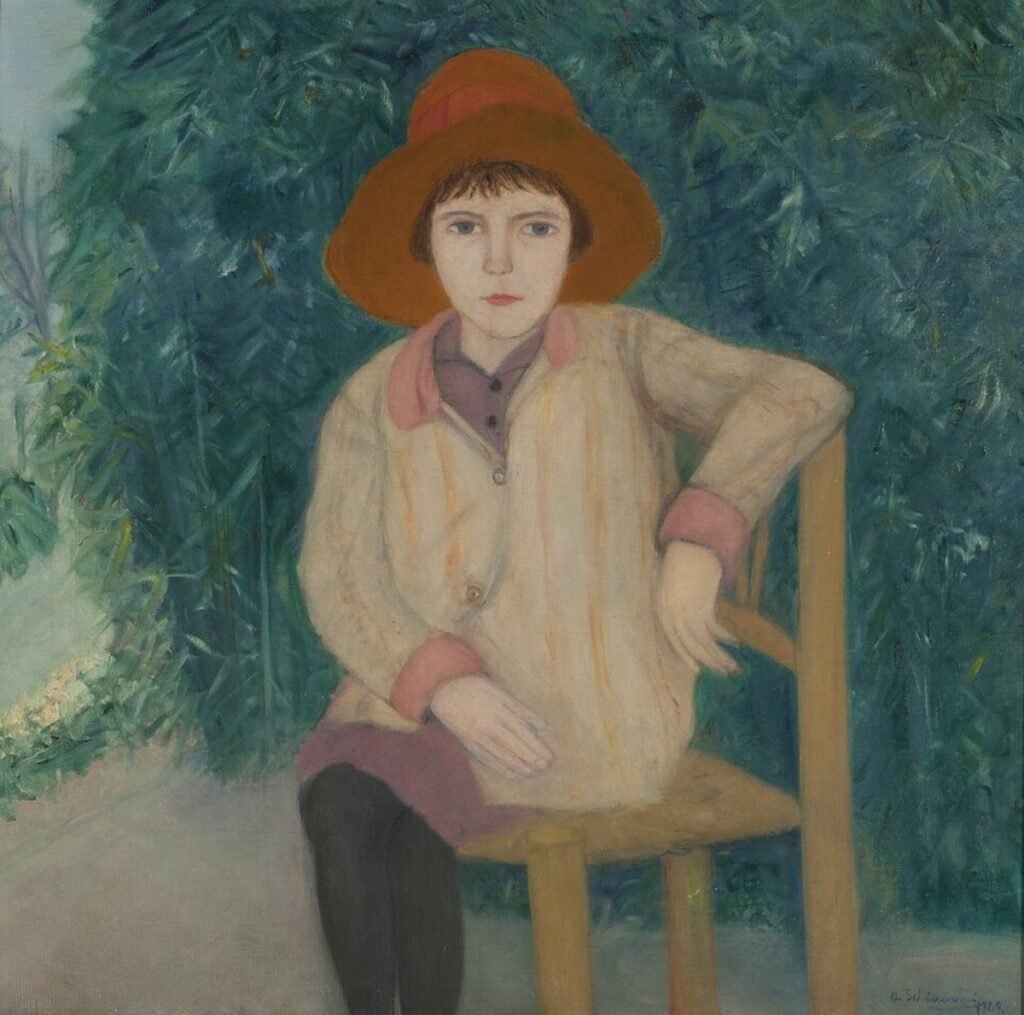
Accade quasi letteralmente davanti a un ritratto di Augusto Schiavoni. Nella giovane donna seduta, con il cappello e lo sguardo assorto, la narratrice riconosce una somiglianza che non aveva cercato: il dipinto le restituisce un’immagine di sé che nessun ricordo le aveva ancora consegnato. Non è lei a proiettarsi sulla figura; è quella figura estranea a raggiungerla e a rendere visibile una postura interiore che fino a quel momento non possedeva forma. Il riconoscimento non conferma un’identità già data: la rende improvvisamente inquieta.
Più la scrittura sembra allontanarsi dalla narratrice — seguendo le peregrinazioni di un’opera, un dettaglio di colore, una storia marginale — più precisamente ne circoscrive la presenza.
È in questo senso che si può parlare di autobiografia indiretta. Non una confessione dissimulata, né una semplice contaminazione tra memoir e critica d’arte. L’indiretto è la condizione attraverso cui il soggetto diventa conoscibile. Per raccontarsi, la narratrice deve passare attraverso qualcosa che non le appartiene: una superficie dipinta, una biografia altrui, perfino un errore dello sguardo. Torna così alla propria vita da una posizione modificata.
Anche l’ecfrasi cambia funzione. Tradizionalmente, la descrizione letteraria tenta di rendere presente un’immagine assente. In Gainza accade quasi il contrario: non è anzitutto il dipinto a dover diventare visibile, ma una parte della narratrice. L’opera è il tramite attraverso cui ciò che nell’io era rimasto fuori campo entra nel linguaggio. L’ecfrasi non supplisce all’assenza del quadro; supplisce, provvisoriamente, all’assenza del soggetto a sé stesso.
L’album che non possediamo
In Il nervo ottico la famiglia non si presenta mai tutta insieme. Non posa. Affiora per frammenti: una frase della madre, un’abitudine domestica, l’eleganza come disciplina del corpo, il denaro e la sua perdita, gli appartamenti di Buenos Aires, gli oggetti attraverso i quali una classe sociale tenta di sopravvivere alla propria fine. Gainza non ricostruisce una genealogia; ne segue le incrinature.
I quadri finiscono così per formare un album familiare sostitutivo. Non contengono i ritratti dei parenti, ma qualcosa di meno riconoscibile e più persistente: posture, omissioni, il repertorio emotivo trasmesso da una generazione all’altra. Ciò che si eredita non è soltanto un patrimonio o un sistema di privilegi. Si eredita un modo di guardare. E, inevitabilmente, un modo di distogliere lo sguardo.
L’appartenenza della narratrice all’alta borghesia argentina non viene rivendicata né semplicemente denunciata. È una forma ricevuta: un abito che permette di riconoscere certi codici, ma che non coincide mai del tutto con il corpo di chi lo indossa. Il privilegio concede familiarità con la bellezza e, nello stesso tempo, produce disagio. Offre accesso alle immagini, alle case e ai musei, ma rende più evidente l’estraneità di chi li attraversa.
È soprattutto nella figura della madre che questa educazione rivela la propria ambivalenza. La madre trasmette alla figlia un rapporto con la bellezza nel quale attrazione e giudizio restano inseparabili. Guardare significa scegliere, distinguere, attribuire valore; significa però anche esporsi alla misura altrui. Il gusto agisce sui corpi, decide ciò che può essere mostrato e ciò che deve rimanere nascosto.
La figlia eredita questo sguardo senza ereditarlo passivamente. Lo riconosce dentro le proprie reazioni e, scrivendo, lo sottopone a una deformazione continua. Davanti a un dipinto il passato familiare non viene confermato: cambia disposizione. Un gesto della madre si separa dalla spiegazione che lo aveva accompagnato; una paura personale rivela una durata più antica. Il quadro non restituisce il passato com’era. Ne modifica retroattivamente il significato.
L’album tradizionale dispone le immagini secondo una cronologia e assegna un nome ai volti. L’album immaginario di Gainza obbedisce a un’altra temporalità: un dipinto del Cinquecento può stare accanto a una scena dell’infanzia; una superficie dipinta può conservare meglio di una fotografia l’atmosfera di una casa scomparsa. Ne nasce una parentela che non dipende dal sangue. Gli artisti, i modelli, perfino le figure anonime entrano nella costellazione familiare della narratrice. L’immagine diventa il luogo in cui l’eredità cessa di essere destino e può, finalmente, essere guardata.
Prendere in prestito una vita
Se i quadri scompongono la genealogia, le vite degli artisti permettono di immaginare altre discendenze. In Gainza la biografia non spiega l’opera: è il materiale attraverso cui una vita può entrare temporaneamente in un’altra. Ogni artista custodisce una possibilità dell’esistenza che la narratrice non ha vissuto, ma che nondimeno la riguarda.
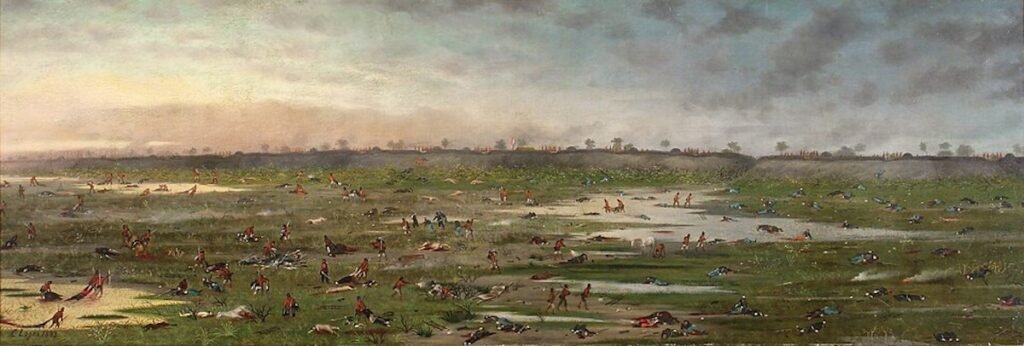
Il passaggio dedicato a Cándido López mostra come una vita possa entrare in un’altra. Mentre la narratrice, incinta, cerca di allontanarsi da Buenos Aires oscurata da una nube di cenere, il racconto devia verso il pittore-soldato che a Curupaytí perde il braccio destro e impara a dipingere con la sinistra. Nei suoi panorami la guerra arretra: i corpi diventano figure minime, quasi assorbite dall’estensione del paesaggio e del cielo. Il dettaglio biografico non entra nel libro come esempio di superamento, ma come forma dello sguardo: la catastrofe può essere raccontata spostandola ai margini, sottraendole il primo piano. Anche la paura della narratrice non viene confessata direttamente; trova la propria scala nella pittura di un altro.
Le biografie entrano nel libro per dettagli laterali: un’abitudine, una malattia, una fuga, un fallimento. La storia dell’arte tende a trasformare le vite in traiettorie — formazione, influenze, maturità, riconoscimento —; Gainza ne recupera invece gli inciampi, ciò che non trova posto nel racconto retrospettivo del successo. Non contempla gli artisti dall’altezza della loro posterità: li incontra nel momento in cui non sanno ancora quale forma prenderà la loro esistenza.
Nessuna vita diventa perciò un modello. Gainza conserva la leggenda soltanto per incrinarla dall’interno con una notazione corporea, domestica o quasi comica. L’aneddoto non riduce l’artista a curiosità biografica: gli restituisce il peso contingente di una vita che avrebbe potuto andare diversamente.
È qui che la narratrice si avvicina maggiormente alle figure di cui scrive: non dichiarando di riconoscersi in loro, ma scegliendo ciò che delle loro vite merita di essere raccontato. Ogni ritratto è anche un autoritratto della sua attenzione. Le omissioni contano quanto i fatti accolti: ciò che Gainza trattiene della biografia altrui rivela la forma delle sue domande e il tipo di fragilità verso cui il suo sguardo si dirige.
La prima persona può così sottrarsi senza scomparire. Mentre racconta un’altra esistenza, la narratrice trasferisce altrove un sentimento, lo lascia agire senza doverlo nominare come proprio. La vita presa in prestito diventa una camera di risonanza: ciò che appartiene a un altro torna verso chi scrive, ma modificato dalla distanza. Non è identificazione. L’estraneità non ostacola la conoscenza di sé: ne è lo strumento.
La critica d’arte diventa allora un esercizio di ospitalità. Scrivere di un artista significa lasciare che una vita estranea occupi per qualche tempo la propria lingua, senza assimilarla né fingere di comprenderla interamente. Ma l’ospitalità modifica anche chi accoglie. Ogni biografia contiene due presenze: quella di chi viene raccontato e quella, meno visibile, di chi racconta. L’autobiografia indiretta abita lo spazio in cui le due vite non si sovrappongono, ma si sfiorano.
Il nervo tra l’occhio e la memoria
Il titolo scelto da Gainza non indica soltanto il tema del libro. Un nervo non produce immagini: rende possibile il loro passaggio. È una struttura di passaggio, il tratto vulnerabile lungo il quale ciò che viene percepito raggiunge il corpo e diventa esperienza. Parlare di nervo ottico significa spostare l’attenzione dall’occhio a ciò che accade dopo la visione, quando l’immagine comincia a circolare e altera le connessioni della memoria.
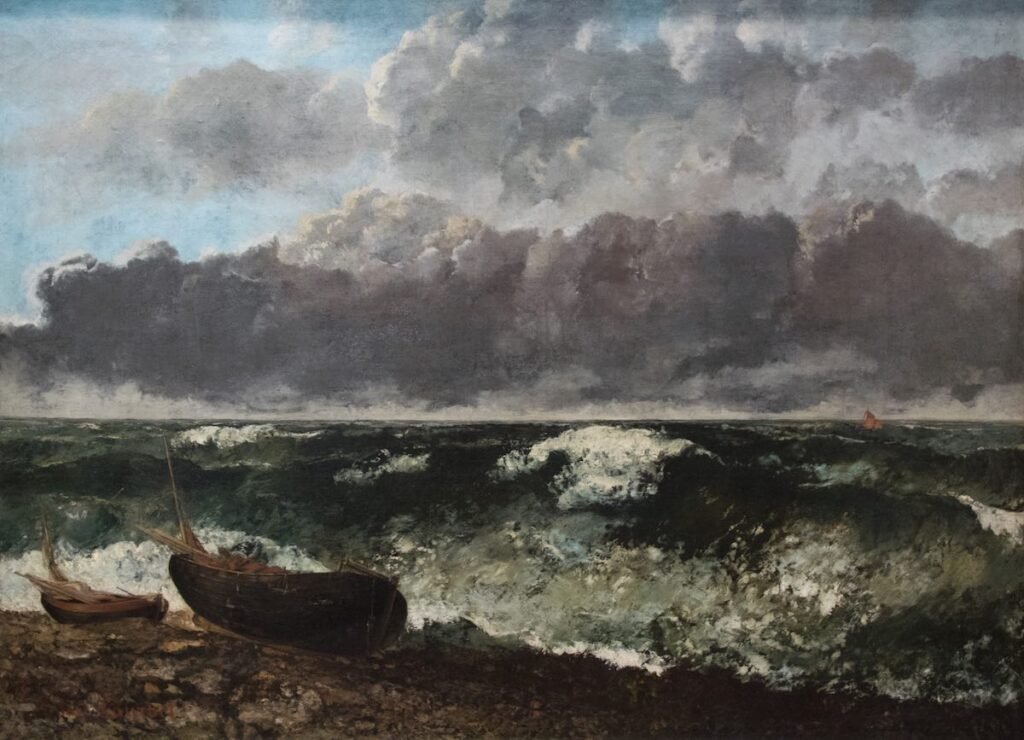
Anche la scrittura funziona come un nervo. Trasporta qualcosa dal quadro alla vita, dalla biografia dell’artista a quella della narratrice, dalla storia dell’arte a una scena domestica. Ma il nervo non è un condotto neutrale. Accade già davanti al mare in tempesta di Courbet, quando la narratrice non descrive un paesaggio ma una compressione al petto, quasi un morso. Ciò che arriva alla coscienza non coincide con ciò che l’occhio ha visto, così come ciò che entra nella scrittura non coincide con il ricordo originario. Tra percezione e racconto intervengono il tempo, il desiderio, la paura, le parole apprese dagli altri.
La memoria non è quindi un archivio. Davanti a un quadro, un episodio lontano non viene semplicemente recuperato: cambia forma. Ricordare, in questo libro, significa vedere in ritardo. Soltanto dopo avere incontrato una certa immagine la narratrice può comprendere qualcosa che aveva già vissuto senza riuscire a guardarlo. Il quadro arriva dopo l’esperienza, ma sembra precederne il significato.
La scrittura segue la stessa temporalità discontinua. Non ricostruisce i nessi: li produce. Il legame tra un dipinto e una vicenda privata nasce nel racconto, dalla prossimità tra elementi fino ad allora separati. L’autobiografia indiretta non rivela un significato nascosto: lo fa accadere. Per questo l’io non è un centro stabile intorno al quale si dispongono opere ed episodi; è il punto provvisorio nel quale quelle presenze si incontrano. Appare nella connessione più che nella confessione, nel montaggio più che nella continuità.
Anche l’ironia è decisiva. Impedisce alla sofferenza di stabilire una gerarchia definitiva tra le esperienze e alla bellezza di diventare solenne. Non a caso i dettagli più comici affiorano spesso a ridosso delle pagine più dolorose, impedendo al dolore di farsi monumento. Gainza può avvicinare la malattia e la morte senza consegnarle alla gravità continua dell’elegia; può parlare di pittura senza assumere il tono sacrale che circonda i capolavori. L’ironia mantiene aperta la distanza necessaria affinché vita e arte non si confermino reciprocamente con troppa facilità.
L’ecfrasi diventa così una pratica della relazione. Non domanda alle parole di riprodurre il visibile, ma di registrare ciò che il visibile mette in movimento. Il suo oggetto è l’intervallo che si apre tra il quadro e chi lo guarda. Il nervo del titolo attraversa esattamente questo spazio: congiunge senza identificare, trasmette senza garantire l’integrità di ciò che trasporta. È grazie alla sua fragilità che l’immagine smette di essere un oggetto davanti a noi e diventa qualcosa che ci accade.
La verità della deformazione
Chiamare autobiografica la scrittura di Gainza non significa stabilire una coincidenza tra narratrice e autrice. La vita entra nel libro soltanto dopo essere stata selezionata, spostata, accostata a immagini e biografie che ne trasformano il senso. Gainza ha dichiarato di utilizzare elementi della propria esperienza deformandoli fino a non riconoscerli più. La deformazione non è soltanto una protezione: è un procedimento conoscitivo. Quando il vissuto cessa di appartenere interamente a chi lo ha vissuto, può mostrare aspetti che la fedeltà ai fatti avrebbe lasciato invisibili.
Il nervo ottico indebolisce il patto autobiografico senza abbandonarlo. Lascia percepibile la prossimità fra autrice e narratrice, ma impedisce al lettore di trasformarla in identità: quanto basta per riconoscere una vita, mai abbastanza per possederla. Il dato reale può assumere la leggerezza dell’invenzione; ciò che è inventato, la precisione fisica di un ricordo.
La verità del libro non dipende dunque dall’esatta corrispondenza tra pagina e vita. Si produce nella qualità delle relazioni istituite dalla scrittura. Un quadro, un episodio familiare e un dettaglio della vita di un artista possono essere lontani sul piano dei fatti e tuttavia generare, una volta accostati, una forma di esattezza che nessuno possedeva separatamente.
Anche il quadro, del resto, è una deformazione. Non duplica il mondo: seleziona una porzione di spazio, altera proporzioni, luce, durata. La scrittura di Gainza apprende dalla pittura questa libertà: per avvicinarsi all’esperienza non deve copiarla, ma trovare la deformazione capace di renderla visibile. Il passato dell’artista, l’infanzia della narratrice e il presente della scrittura possono occupare lo stesso campo, senza che uno debba precedere o spiegare l’altro. La pagina non ricostruisce la continuità di una vita: ne dispone le figure.
L’indiretto assume così anche un significato etico. Parlare di sé attraverso gli altri non vuol dire servirsi delle loro vite come metafore private. Significa riconoscere che nessuna esperienza è autosufficiente e che persino ciò che consideriamo più intimo è composto da immagini, parole e gesti ricevuti. L’io di Gainza non si appropria del quadro: accetta di esserne parzialmente costituito. La deformazione non distrugge la verità autobiografica; la libera dall’obbligo della somiglianza.
Ciò che resta nel quadro
Alla fine del libro non possediamo il ritratto completo della narratrice. La conosciamo attraverso le sue deviazioni: gli artisti ai quali ritorna, i particolari sui quali si sofferma, le opere davanti alle quali qualcosa della sua vita cambia posizione. L’io non si trova dietro i racconti, come una verità da ricostruire. È disseminato sulla loro superficie: in una pennellata descritta, nella scelta di un aneddoto, nel brusco passaggio da un museo a una stanza familiare.
Gainza modifica anche la posizione del lettore. Chi legge è condotto nel medesimo spazio intermedio occupato dalla narratrice, là dove immagine e memoria entrano in contatto senza coincidere. Il quadro passa da una vita all’altra senza appartenere definitivamente a nessuna. È stato guardato dall’artista, dai contemporanei, dagli storici, dalla narratrice; ora entra nello sguardo del lettore portando con sé le tracce di tutti questi incontri. La sua durata non consiste soltanto nella sopravvivenza materiale, ma nella capacità di essere riattivato da vite che non avrebbe potuto prevedere.
Ciò che il quadro sa di noi non è dunque un segreto custodito dietro la superficie. Il suo sapere si produce nella relazione, quando una forma estranea raggiunge qualcosa che avevamo vissuto senza riuscire a vederlo. Il quadro non ci rivela chi siamo; modifica le condizioni dalle quali possiamo provare a comprenderci.
L’autobiografia indiretta nasce da questa modificazione. Raccontarsi non significa riportare il vissuto alla sua origine, ma seguirne le rifrazioni nelle immagini che lo hanno accolto. Ogni dipinto trattiene una parte della narratrice senza restituirgliela identica. Forse per questo le immagini sembrano più affidabili dei ricordi: non perché siano più fedeli, ma perché non pretendono di esserlo. Mostrano apertamente il proprio taglio, la superficie, la distanza dal mondo.
Scrivere la propria vita significa allora riconoscere che qualcosa di essa si trova già altrove: in un colore, in una figura intravista, nella vicenda di una persona mai conosciuta. L’identità non è un possesso custodito nell’interiorità, ma una materia dispersa tra gli oggetti e gli sguardi che l’hanno formata. Per ritrovarla bisogna accettare di incontrarla sotto un altro nome.
Il quadro non conserva il nostro volto. Conserva il punto nel quale, per un istante, abbiamo smesso di coincidere con esso.
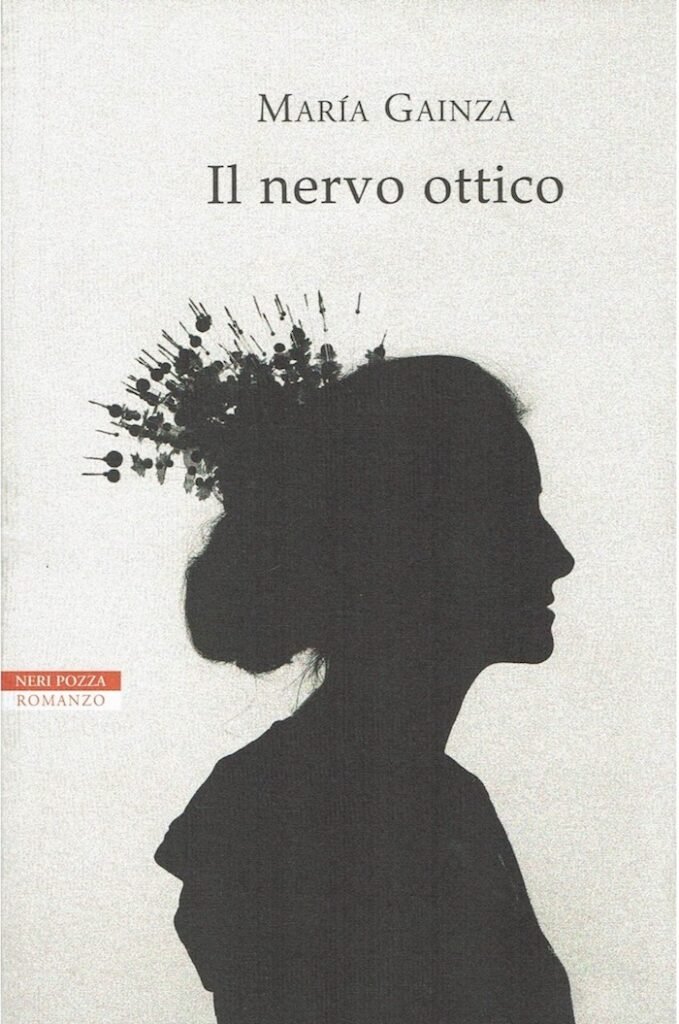
María Gainza, Il nervo ottico, traduzione di Marco Amerighi, Neri Pozza, 2017.
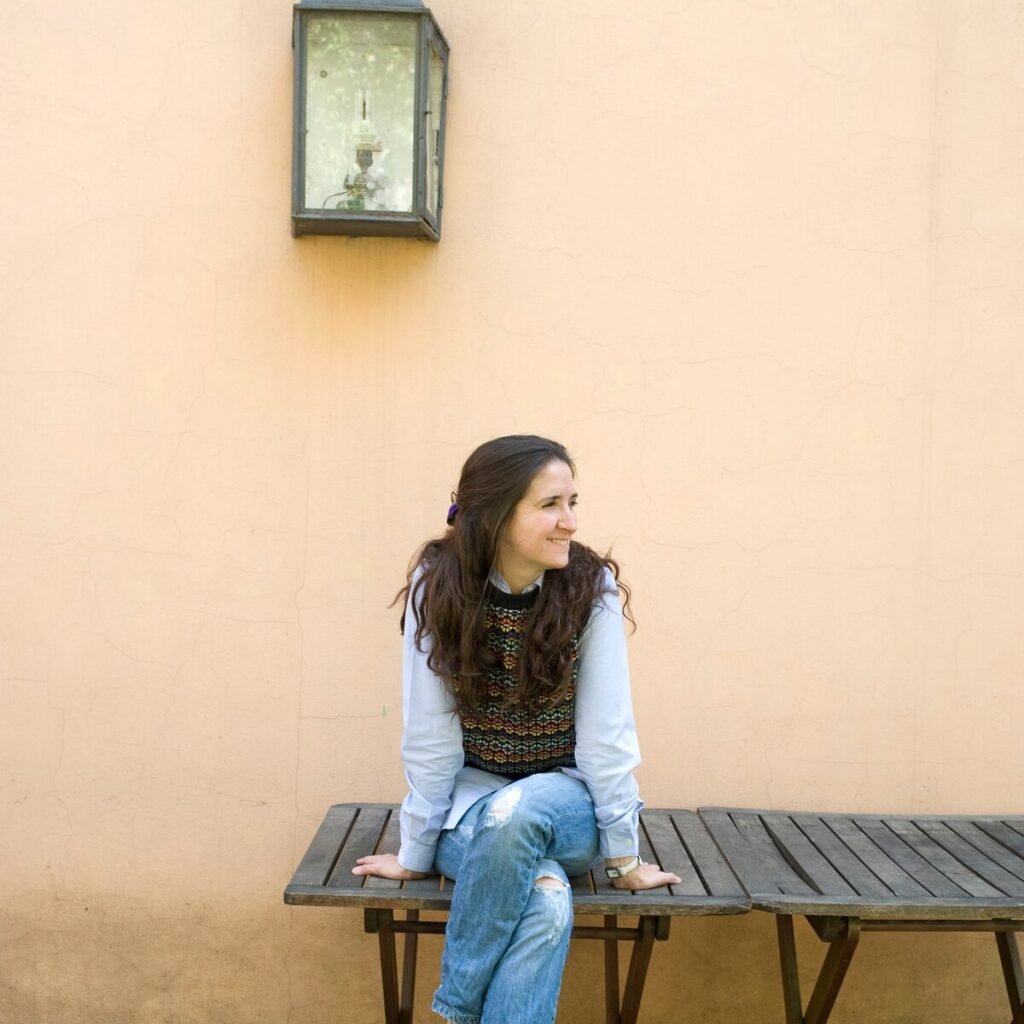
María Gainza (Buenos Aires, 1975) è scrittrice e critica d’arte. Ha collaborato con The New York Times, ARTnews, Artforum e con Radar, supplemento culturale di Página/12. Nei suoi libri intreccia storia dell’arte, racconto e autobiografia, facendo dell’esperienza dello sguardo una forma di conoscenza personale. Ha pubblicato Textos elegidos (2011), Il nervo ottico (2014), tradotto in numerose lingue, La luce nera (2018), Una vida crítica (2020), la raccolta poetica Un imperio por otro (2021) e Un puñado de flechas (2024). Nel 2017 ha ricevuto il Premio Konex per le arti visive; nel 2019 La luce nera ha vinto il Premio de Literatura Sor Juana Inés de la Cruz. Vive e lavora a Buenos Aires.
What the Painting Knows About Us | María Gainza and Indirect Autobiography
What happens when a painting does not reflect the person looking at it, but brings to light what they do not yet know about themselves? In Optic Nerve, María Gainza entrusts images and other people’s lives with the oblique telling of her own: an autobiography that takes shape through distance.
The Painting Is Not a Mirror
Can a painting know something about the person looking at it? Not simply reflect their mood or awaken a memory, but hold knowledge of something they have not yet put into words: a fear that has remained nameless, a disposition of the body, the way a family has taught one to see and, at the same time, not to see. This is what happens in María Gainza’s The Optic Nerve. The works that pass through the book do not illustrate the narrator’s life. Rather, they seem to precede her, as though they had recognised something in her before she herself could recognise it.
The painting, then, is not a mirror. A mirror presupposes a face already formed, a figure that exists before its own image. Gainza’s paintings perform a different operation: they do not confirm an identity; they bring it to the surface. After the encounter with the work, the self no longer coincides entirely with what it was before looking.
The book moves through Courbet, Rothko, Toulouse-Lautrec, El Greco, Foujita, Cándido López and Augusto Schiavoni. Each artist opens a detour towards childhood, the mother, social class, marriage, illness and loss. Yet these fragments do not reconstruct a life: they reveal its intermittent regions. Gainza does not begin with herself in order to arrive at the image. She begins with the image because only through it can she reach something of herself.
This happens almost literally before a portrait by Augusto Schiavoni. In the young woman seated in a hat, her gaze absorbed, the narrator recognises a resemblance she had not sought: the painting returns to her an image of herself that no memory had yet delivered. It is not she who projects herself onto the figure; it is that unfamiliar figure that reaches her, making visible an inner posture that until then had possessed no form. Recognition does not confirm an identity already given: it suddenly unsettles it.
The further the writing appears to move away from the narrator — following the wanderings of a work, a detail of colour, a marginal story — the more precisely it traces the contours of her presence.
It is in this sense that we can speak of indirect autobiography. Not a confession in disguise, nor a simple merging of memoir and art criticism. Indirection is the condition through which the subject becomes knowable. To tell her own story, the narrator must pass through something that does not belong to her: a painted surface, another person’s biography, even an error of vision. She thus returns to her own life from an altered position.
Ekphrasis, too, changes function. Traditionally, literary description attempts to make an absent image present. In Gainza, almost the opposite occurs: it is not primarily the painting that must become visible, but a part of the narrator. The work is the medium through which what had remained outside the frame of the self enters language. Ekphrasis does not make up for the absence of the painting; it makes up, provisionally, for the subject’s absence from herself.
The Album We Do Not Possess
In The Optic Nerve, the family never presents itself all at once. It does not pose. It emerges in fragments: a phrase uttered by the mother, a domestic habit, elegance as a discipline of the body, money and its loss, the apartments of Buenos Aires, the objects through which a social class attempts to survive its own end. Gainza does not reconstruct a genealogy; she follows its cracks.
The paintings thus come to form a substitute family album. They contain no portraits of relatives, but something less recognisable and more persistent: postures, omissions, the emotional repertoire passed from one generation to the next. What is inherited is not only wealth or a system of privilege. One inherits a way of looking. And, inevitably, a way of looking away.
The narrator’s place within the Argentine upper bourgeoisie is neither asserted nor simply denounced. It is an inherited form: a garment that allows her to recognise certain codes, yet never fully coincides with the body that wears it. Privilege grants familiarity with beauty and, at the same time, produces unease. It offers access to images, houses and museums, while making the estrangement of the person moving through them all the more apparent.
It is above all in the figure of the mother that this education reveals its ambivalence. The mother passes on to her daughter a relationship with beauty in which attraction and judgement remain inseparable. To look is to choose, distinguish, assign value; but it is also to expose oneself to the measure of others. Taste acts upon bodies, deciding what may be shown and what must remain hidden.
The daughter inherits this gaze without inheriting it passively. She recognises it within her own responses and, through writing, subjects it to continual deformation. Before a painting, the family past is not confirmed: its arrangement changes. A gesture by the mother separates itself from the explanation that once accompanied it; a personal fear reveals a more ancient duration. The painting does not return the past as it was. It retroactively alters its meaning.
A traditional album arranges images chronologically and gives names to faces. Gainza’s imaginary album obeys another temporality: a sixteenth-century painting can sit beside a scene from childhood; a painted surface can preserve the atmosphere of a vanished house better than a photograph. From this emerges a kinship that does not depend on blood. Artists, models, even anonymous figures enter the narrator’s family constellation. The image becomes the place where inheritance ceases to be destiny and can, at last, be looked at.
Borrowing a Life
If paintings dismantle genealogy, the lives of artists allow other lines of descent to be imagined. In Gainza, biography does not explain the work: it is the material through which one life can temporarily enter another. Each artist holds a possibility of existence that the narrator has not lived, but which nonetheless concerns her.
The passage devoted to Cándido López shows how one life can enter another. As the pregnant narrator tries to escape Buenos Aires, darkened by a cloud of ash, the story veers towards the soldier-painter who lost his right arm at Curupaytí and learnt to paint with his left hand. In his panoramas, the war recedes: bodies become tiny figures, almost absorbed by the expanse of landscape and sky. The biographical detail enters the book not as an example of overcoming adversity, but as a form of gaze: catastrophe can be recounted by moving it to the margins, by denying it the foreground. The narrator’s fear, too, is never directly confessed; it finds its scale in another person’s painting.
Biographies enter the book through incidental details: a habit, an illness, an escape, a failure. Art history tends to turn lives into trajectories — training, influences, maturity, recognition — whereas Gainza recovers their stumbles, whatever finds no place in the retrospective narrative of success. She does not contemplate artists from the vantage point of their posterity; she encounters them at the moment when they do not yet know what form their lives will take.
No life, therefore, becomes a model. Gainza retains the legend only to fracture it from within with a bodily, domestic or almost comic observation. The anecdote does not reduce the artist to a biographical curiosity; it restores the contingent weight of a life that might have unfolded otherwise.
It is here that the narrator comes closest to the figures she writes about: not by declaring that she recognises herself in them, but by choosing what, in their lives, deserves to be told. Every portrait is also a self-portrait of her attention. Omissions matter as much as the facts she admits: what Gainza retains from another person’s biography reveals the shape of her questions and the kind of fragility towards which her gaze is drawn.
The first person can thus withdraw without disappearing. While recounting another existence, the narrator transfers a feeling elsewhere, allowing it to act without having to name it as her own. The borrowed life becomes a resonating chamber: what belongs to another returns to the person writing, altered by distance. This is not identification. Otherness does not obstruct self-knowledge; it is its instrument.
Art criticism then becomes an exercise in hospitality. To write about an artist is to allow an unfamiliar life to occupy one’s language for a time, without assimilating it or pretending to understand it entirely. But hospitality also alters the host. Every biography contains two presences: that of the person being recounted and the less visible presence of the person telling it. Indirect autobiography inhabits the space in which the two lives do not overlap, but brush against one another.
The Nerve Between Eye and Memory
Gainza’s title does more than identify the book’s subject. A nerve does not produce images: it makes their passage possible. It is a structure of transmission, the vulnerable path along which what is perceived reaches the body and becomes experience. To speak of the optic nerve is to shift attention away from the eye and towards what happens after vision, when the image begins to circulate and alters the connections of memory.
Writing, too, functions like a nerve. It carries something from painting to life, from the artist’s biography to the narrator’s, from art history to a domestic scene. But the nerve is not a neutral conduit. This is already apparent before Courbet’s stormy sea, when the narrator describes not a landscape but a pressure in her chest, something almost like a bite. What reaches consciousness does not coincide with what the eye has seen, just as what enters writing does not coincide with the original memory. Between perception and narration lie time, desire, fear and the words learnt from others.
Memory, then, is not an archive. Before a painting, a distant episode is not simply retrieved: it changes form. In this book, to remember is to see belatedly. Only after encountering a particular image can the narrator understand something she had already experienced without having been able to look at it. The painting arrives after the experience, yet seems to precede its meaning.
Writing follows the same discontinuous temporality. It does not reconstruct connections; it produces them. The bond between a painting and a private event comes into being in the telling, through the proximity of elements previously kept apart. Indirect autobiography does not uncover a hidden meaning: it makes meaning happen. The self is therefore not a stable centre around which works and episodes are arranged; it is the provisional point at which those presences meet. It appears in connection rather than confession, in montage rather than continuity.
Irony, too, is decisive. It prevents suffering from establishing a definitive hierarchy among experiences, and beauty from becoming solemn. It is no accident that the book’s most comic details often surface close to its most painful pages, preventing pain from turning into a monument. Gainza can approach illness and death without surrendering them to the sustained gravity of elegy; she can write about painting without adopting the reverential tone that surrounds masterpieces. Irony preserves the distance required to prevent life and art from confirming one another too readily.
Ekphrasis thus becomes a practice of relation. It does not ask words to reproduce the visible, but to register what the visible sets in motion. Its object is the interval that opens between the painting and the person looking at it. The nerve of the title runs through precisely this space: it joins without identifying, transmits without guaranteeing the integrity of what it carries. Through its very fragility, the image ceases to be an object before us and becomes something that happens to us.
The Truth of Deformation
To call Gainza’s writing autobiographical is not to establish a coincidence between narrator and author. Life enters the book only after it has been selected, displaced and placed beside images and biographies that transform its meaning. Gainza has said that she uses elements of her own experience, deforming them until she no longer recognises them. Deformation is not merely a form of protection; it is a way of knowing. Once an experience ceases to belong entirely to the person who lived it, it can reveal aspects that fidelity to fact would have left invisible.
The Optic Nerve loosens the autobiographical pact without abandoning it. It keeps the proximity between author and narrator perceptible, yet prevents the reader from turning that proximity into identity: enough to recognise a life, never enough to possess it. Fact can acquire the lightness of invention; what is invented, the physical precision of a memory.
The book’s truth does not therefore depend on an exact correspondence between page and life. It arises in the quality of the relations established by the writing. A painting, a family episode and a detail from an artist’s life may be distant from one another as facts, yet, once brought together, generate a form of exactness that none possessed in isolation.
The painting, after all, is itself a deformation. It does not duplicate the world: it selects a portion of space and alters proportion, light and duration. Gainza’s writing learns this freedom from painting: to approach experience, it need not copy it, but must find the deformation capable of making it visible. The artist’s past, the narrator’s childhood and the present of writing can occupy the same field, without any one of them having to precede or explain another. The page does not reconstruct the continuity of a life: it arranges its figures.
Indirection thus also acquires an ethical meaning. To speak of oneself through others is not to use their lives as private metaphors. It is to recognise that no experience is self-sufficient, and that even what we consider most intimate is composed of images, words and gestures we have received. Gainza’s self does not appropriate the painting; it accepts being partly constituted by it. Deformation does not destroy autobiographical truth; it releases it from the obligation of resemblance.
What Remains in the Painting
By the end of the book, we do not possess a complete portrait of the narrator. We know her through her detours: the artists to whom she returns, the details on which she lingers, the works before which something in her life shifts position. The self does not lie behind the stories, like a truth waiting to be reconstructed. It is scattered across their surface: in a brushstroke described, in the choice of an anecdote, in the abrupt passage from a museum to a family room.
Gainza also alters the reader’s position. The reader is led into the same intermediate space occupied by the narrator, where image and memory come into contact without coinciding. The painting passes from one life to another without ever belonging definitively to any of them. It has been looked at by the artist, by contemporaries, by historians, by the narrator; now it enters the reader’s gaze, carrying traces of all these encounters with it. Its duration lies not only in its material survival, but in its capacity to be reactivated by lives it could never have foreseen.
What the painting knows about us is not, then, a secret held behind the surface. Its knowledge is produced in relation, when an unfamiliar form reaches something we had experienced without having been able to see it. A painting does not reveal who we are; it alters the conditions under which we might begin to understand ourselves.
Indirect autobiography is born from this alteration. To tell one’s own story is not to return experience to its point of origin, but to follow its refractions through the images that have received it. Every painting retains a part of the narrator without returning it unchanged. Perhaps this is why images seem more reliable than memories: not because they are more faithful, but because they make no claim to fidelity. They openly display their framing, their surface, their distance from the world.
To write one’s life is therefore to recognise that something of it already exists elsewhere: in a colour, in a figure glimpsed in passing, in the story of a person never known. Identity is not a possession kept within the self, but matter dispersed among the objects and gazes that have formed it. To recover it, we must accept encountering it under another name.
A painting does not preserve our face. It preserves the point at which, for an instant, we ceased to coincide with it.
María Gainza, Optic Nerve, translated from the Spanish by Thomas Bunstead, Catapult, 2019.
María Gainza (Buenos Aires, 1975) is a writer and art critic. She has contributed to The New York Times, ARTnews, Artforum and Radar, the cultural supplement of Página/12. Her writing brings together art history, storytelling and autobiography, turning the experience of looking into a form of personal knowledge. Her books include Textos elegidos (2011), Optic Nerve (2014), translated into numerous languages, Portrait of an Unknown Lady (2018), Una vida crítica (2020), the poetry collection Un imperio por otro (2021), and Un puñado de flechas (2024). She received the Konex Award for Visual Arts in 2017, while Portrait of an Unknown Lady won the Sor Juana Inés de la Cruz Prize for Literature in 2019. She lives and works in Buenos Aires.