Scroll down for English Version
Figure della scrittura, a cura di Rita Selvaggio, esplora i passaggi tra arte e letteratura: non cerca nelle parole l’equivalente di un’immagine, ma osserva che cosa accade quando un artista, un’opera o un ritratto diventano materia letteraria e ne trasformano la forma.
Prima di leggere
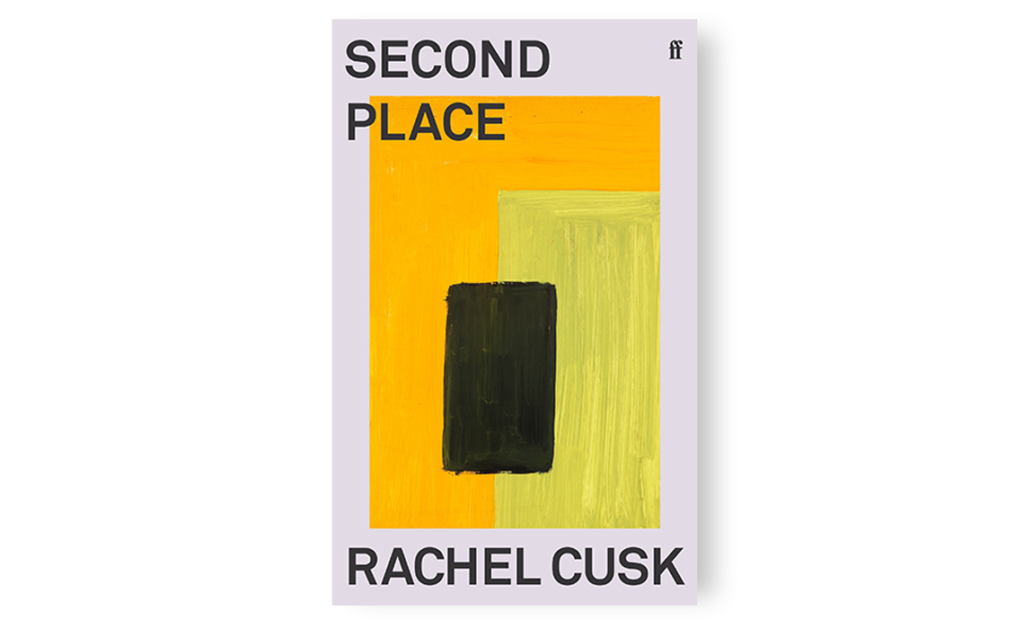
Corteo (Parade, 2024) è un romanzo articolato in quattro parti, attraversate da artisti diversi. Cusk sceglie di non distinguerli con nomi propri: li chiama G.
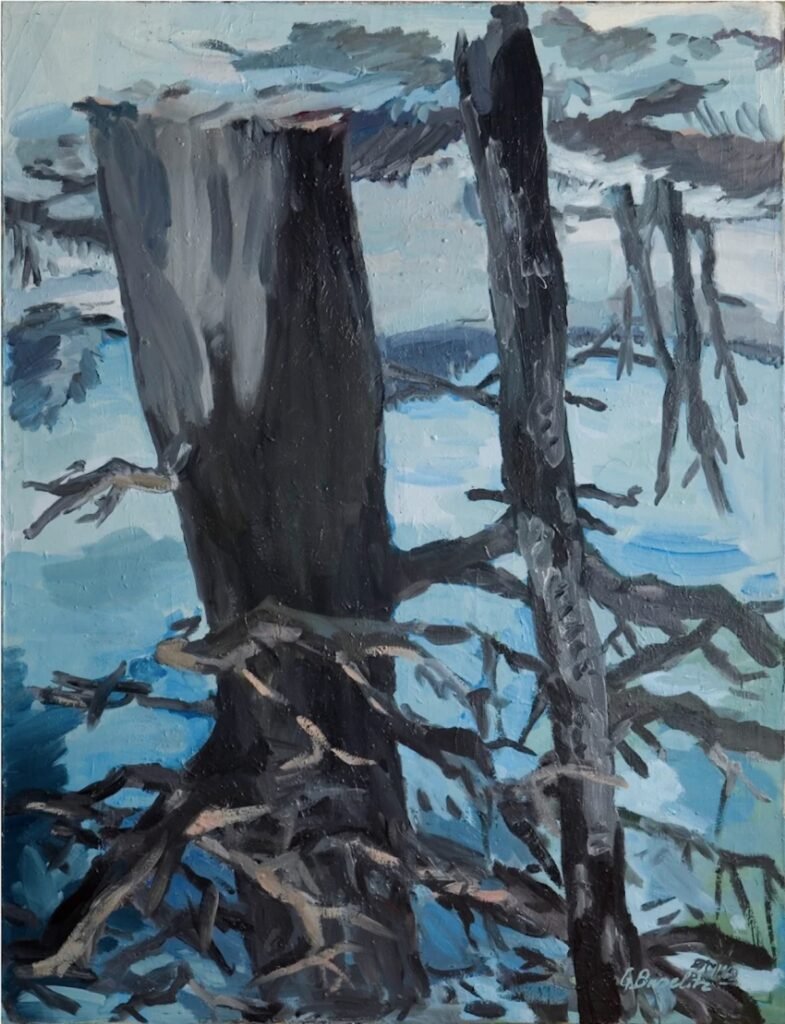
Il nome ci viene in mente prima che qualcuno lo pronunci. Basta un pittore che cominci a dipingere figure capovolte e Georg Baselitz è già entrato nella lettura. Porta con sé quadri, mostre, dichiarazioni, tutto ciò che sappiamo o crediamo di sapere di lui. Per un momento la lettera G sembra una discrezione superflua: abbiamo riconosciuto l’artista, potremmo scriverne il nome a margine e proseguire. Eppure proprio quell’annotazione cambierebbe il libro.
Da lì in avanti cercheremmo conferme. La moglie diventerebbe sua moglie, la casa una casa rintracciabile, ogni pensiero una possibile testimonianza. È un’abitudine dello sguardo esercitato sull’arte: attribuire, ricondurre, dare un nome. Cusk ci offre quanto basta per attivarla e ci lascia alle prese con le sue conseguenze. Il riconoscimento arriva presto; la certezza di sapere chi abbiamo davanti dovrebbe arrivare molto più tardi.
L’iniziale trattiene questa distanza. Nel pittore G rimane qualcosa di inconfondibile, mentre le parole che lo circondano acquistano la libertà di condurlo altrove. Il gesto che ce lo ha fatto riconoscere sopravvive al nome e comincia a coinvolgere chi gli sta accanto. Davanti alle figure rovesciate, la moglie riconosce una condizione che le appartiene. Noi abbiamo visto un autore; lei vede qualcosa della propria esistenza. Lo stesso quadro sostiene due riconoscimenti, e il secondo incrina la sicurezza del primo.
È in questo intervallo che la figura dell’artista entra nella scrittura. L’opera conserva la forza di richiamare una persona reale, ma diventa anche il luogo in cui un’altra persona si scopre esposta. Il nome di Baselitz continua ad accompagnarci. Ora, però, dobbiamo decidere quanto lasciargli vedere al posto nostro.
Il lettore che riconosce
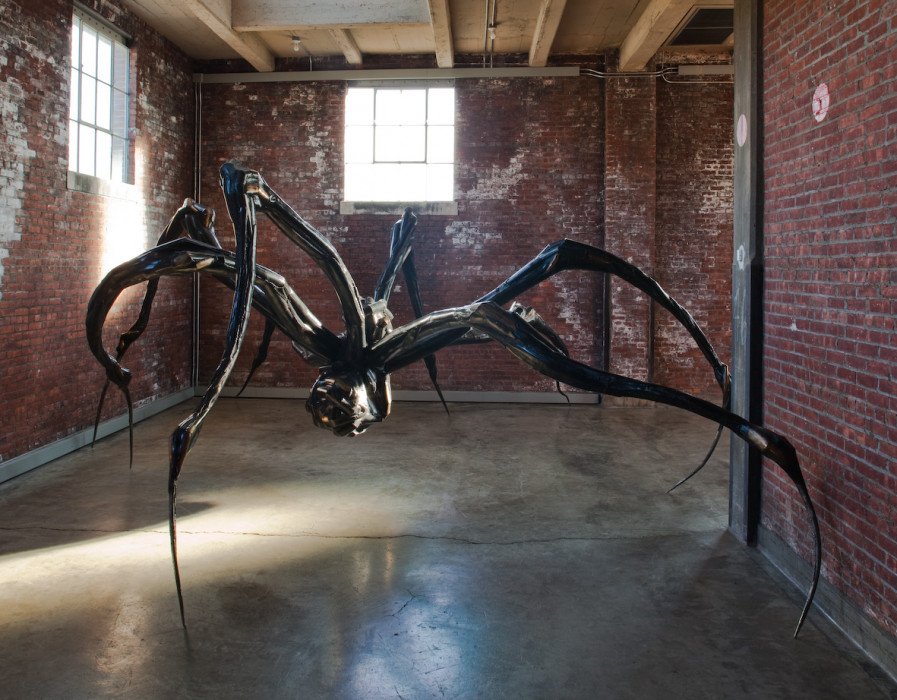
Più avanti, G cambia corpo, mestiere, sesso. La lettera accompagna vite che i dettagli continuano a separare. Per chi frequenta l’arte, i ragni di una scultrice portano verso Louise Bourgeois; una pittrice morta giovane, il cui corpo entra nella pittura, fa affiorare Paula Modersohn-Becker. Il nome torna disponibile a ogni passaggio, e assegnarlo rischia di chiudere troppo presto il lavoro della frase.
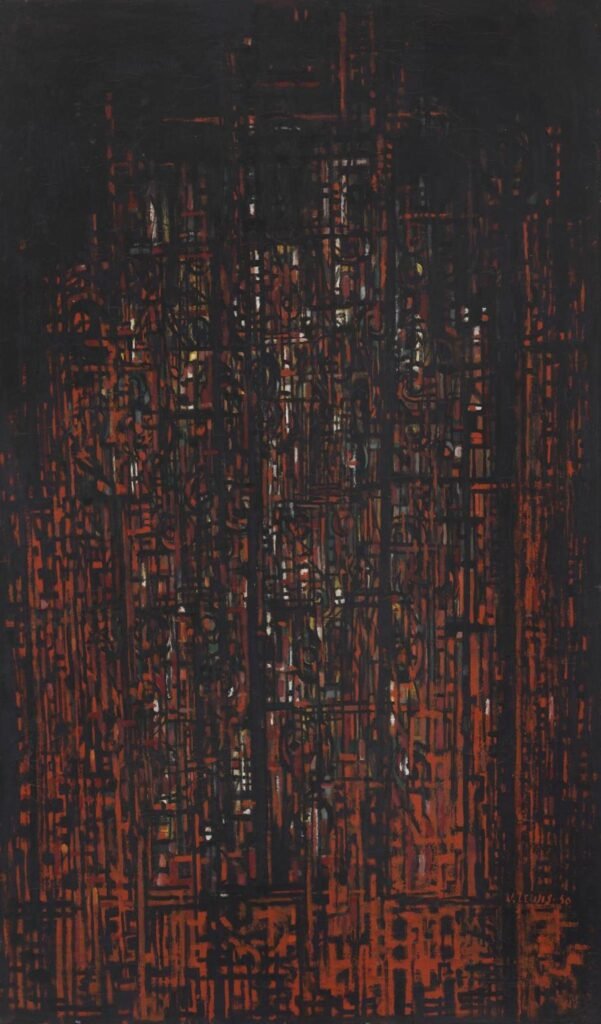
Una terza figura attraversa il libro senza che finora il saggio l’abbia nominata. Il riferimento porta verso Norman Lewis, che da ragazzo imparò a disegnare copiando le immagini dei libri presi in prestito alla biblioteca di Harlem e fu l’unico artista nero presente alle Artists’ Sessions di Studio 35, tenute a New York nell’aprile 1950. La partecipazione a quegli incontri non gli garantì il riconoscimento accordato agli altri espressionisti astratti; la sua posizione nel canone si consolidò soprattutto dopo la morte. Se il nome di Baselitz porta con sé mostre, quotazioni, una fama consolidata, quello di Lewis porta con sé una carriera vissuta ai bordi del canone che pure lo includeva. La lettera G tratta allo stesso modo chi un nome visibile l’ha sempre avuto e chi ha dovuto conquistarselo tardi, quasi postumo.
Nella storia dell’arte un’attribuzione riunisce: avvicina un’opera a un insieme di opere, la colloca in una vicenda, rende possibili confronti. Qui dobbiamo distinguere le persone mentre la stessa lettera ritorna. A separarle sono i gesti, le relazioni, le condizioni del lavoro. G accompagna il passaggio dall’una all’altra senza offrirci, a ogni incontro, il riparo di un nome diverso.
Per chi individua i modelli, la tentazione è ristabilire le separazioni: Baselitz qui, Bourgeois là. Eppure attribuire un’opera significa cercare di identificarne l’autore; riconoscere il modello di un personaggio non stabilisce a chi appartengano ogni suo gesto, sentimento, parola. Il dettaglio più inconfondibile rischia di rendere credibile, per contiguità, tutto il resto.
Fra due versioni dell’apertura, questa incertezza prende una forma concreta. Nel racconto The Stuntman, pubblicato sul sito del New Yorker il 17 aprile 2023 e nel numero del 24 aprile e 1° maggio, il pittore si chiama D e alla prima frase segue una dichiarazione: «This is how I imagine it», così lo immagino. Nell’incipit di Parade (2024) la lettera è diventata G e quella dichiarazione non compare. In quel punto viene meno una voce che segnala il proprio intervento. La differenza lascia al lettore un compito più esposto: avvertire da sé dove il dettaglio riconoscibile entra nell’invenzione. La frase procede senza fermarsi a distinguere ciò che sappiamo dell’artista da ciò che il racconto gli attribuisce.
È qui che il lettore informato incontra una difficoltà particolare. Chi non riconosce gli artisti può seguire le figure senza doverle confrontare con un’identità già conosciuta. Chi li riconosce legge anche attraverso un ricordo: un quadro visto, una dichiarazione, una biografia. Porta nel libro una seconda storia, che Cusk non ha bisogno di raccontare. Deve però accorgersi di quando comincia a leggerla al posto di quella che ha davanti.
Chi dispone dell’immagine
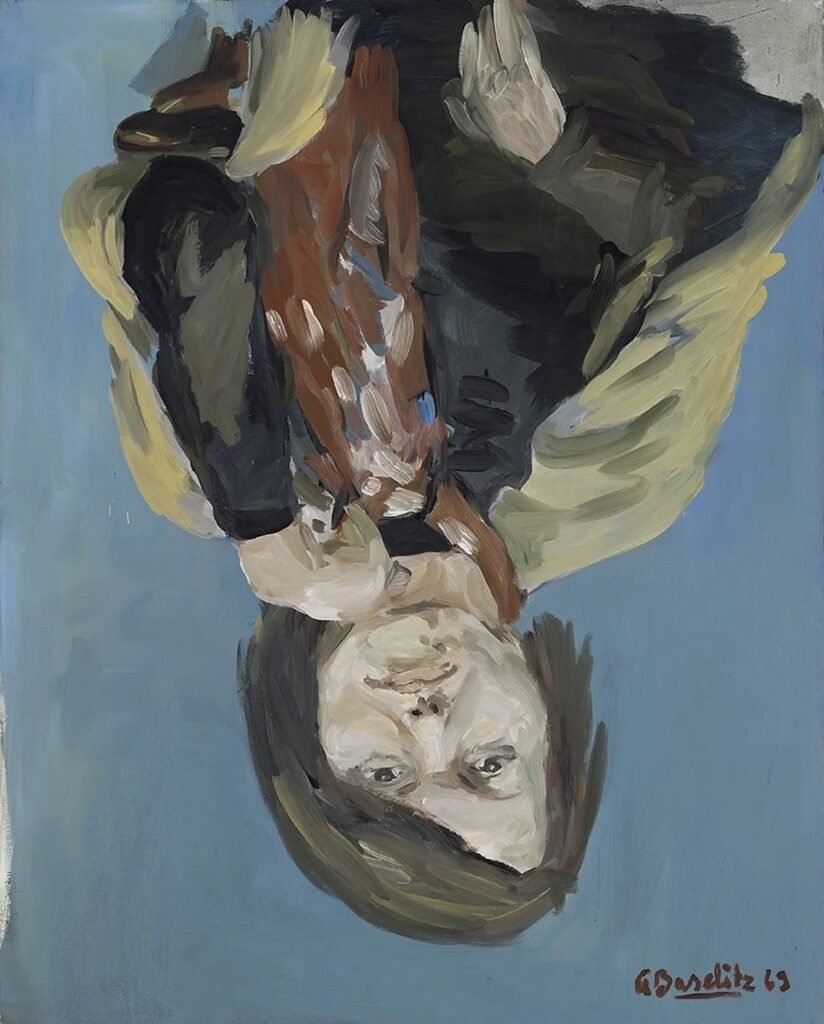
Nelle prime righe del romanzo c’è una firma. La sua posizione sul quadro permette di capire che il dipinto è stato concepito capovolto, non appeso per errore. L’artista che il racconto chiama G firma la propria opera: quel segno stabilisce il verso in cui guardarla, mentre la lettera lascia incerta la persona alla quale ricondurre il racconto.
Nell’intervista con Deborah Treisman, Rachel Cusk on the Self in Visual Art, pubblicata sul sito del New Yorker il 17 aprile 2023 a commento di The Stuntman, Cusk osserva che gli scrittori vengono identificati con le proprie opere con un’insistenza dalla quale gli artisti visivi le sembrano più protetti. Trasportare un pittore nella prosa significa allora anche esporlo alle possibilità biografiche del linguaggio.
G rende quell’esposizione ambigua. La distanza dal nome reale non indebolisce necessariamente la persuasione della frase: chi riconosce il modo di dipingere può essere indotto ad attribuire all’artista anche i pensieri inventati per il personaggio. La libertà della finzione convive con questa possibilità di essere creduta.
Nell’incipit, alla firma segue il pensiero della moglie. La donna avverte nel capovolgimento qualcosa d’inquietante sulla condizione femminile e si domanda se possa danneggiare la carriera del marito; segue invece l’entusiasmo della critica. Nello spazio di poche righe la stessa invenzione raccoglie un timore privato e una conferma pubblica. Il successo non smentisce ciò che lei ha visto. Lo lascia senza conseguenze sulla fortuna del pittore.
Il capovolgimento a cui allude il romanzo ha, nella storia dell’arte, un’origine diversa da quella che il racconto gli assegna. Quando Baselitz comincia a dipingere a testa in giù, nel 1969, lo fa per sottrarre la figura alla lettura immediata: separare il soggetto dalla composizione, spostare l’attenzione sulla superficie, il colore, il gesto. Non è, alle sue origini, un’operazione sul contenuto ma sulla pittura. Il romanzo ribalta questa gerarchia: fa del gesto formale il segno di un disagio esistenziale, ciò che la moglie riconosce come la condizione del proprio sesso. Fra le due letture non c’è una contraddizione da risolvere, ma uno scarto che vale la pena notare: la finzione preleva un gesto pittorico preciso e gli assegna un significato che l’arte, alla sua origine, non gli aveva affidato.
A quel pensiero accediamo attraverso il racconto. In queste righe la moglie non prende direttamente la parola: è la scrittura a riferire ciò che pensa e ciò che si chiede. Cusk ci avvicina alla donna proprio dove un quadro, una firma o una notizia biografica non potrebbero condurci da soli. Ma quella vicinanza dipende dall’autorità della scrittrice, che dispone per lei un’interiorità. Leggerla come una testimonianza sulla moglie reale significherebbe trasferire alla biografia ciò che abbiamo ricevuto dalla finzione.
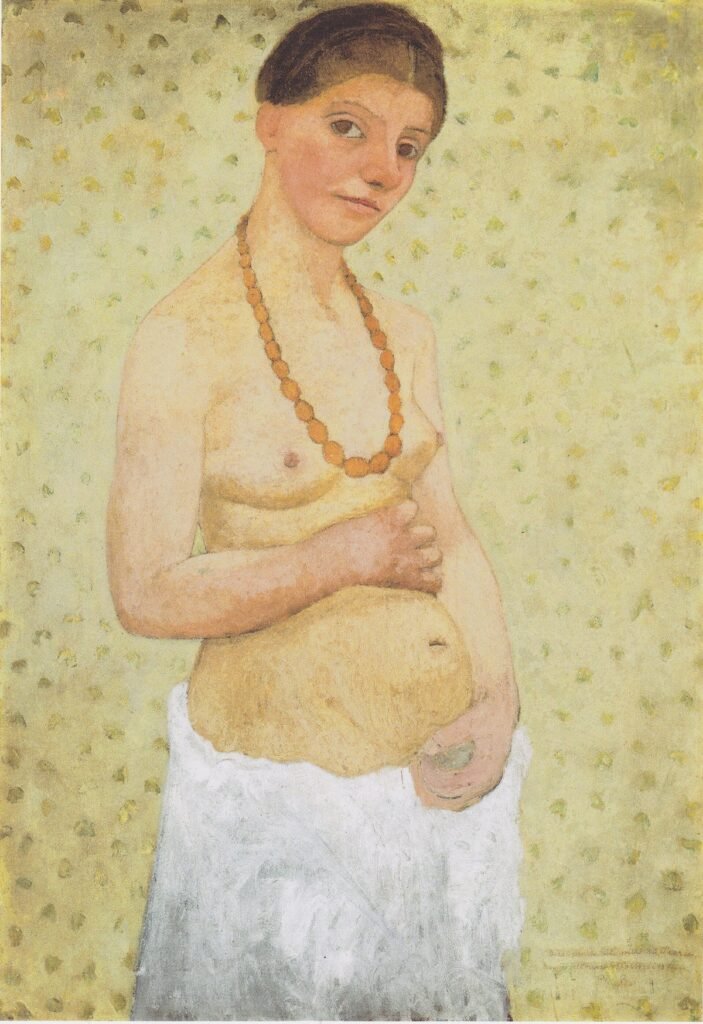
La pittrice in cui affiora Paula Modersohn-Becker porta il confronto dentro l’autoritratto. Qui chi dipinge è anche chi viene raffigurata: il corpo diventa immagine attraverso una decisione della donna stessa. Rispetto alla moglie di G, cambia la possibilità di darsi una forma. Ma quando quel gesto entra nel romanzo, l’autoritratto incontra ancora lo sguardo e le parole di un’altra autrice. La donna che ha scelto come dipingersi viene a sua volta raccontata. Il passaggio alla letteratura riapre la questione di chi disponga della sua immagine.
Le vite degli altri
A tavola, dopo la mostra, la scultrice viene ricomposta dalle parole di chi l’ha conosciuta. Se ne discutono il carattere, le crudeltà, i rapporti con gli uomini, la capacità di essere madre. Il riconoscimento cambia terreno. Davanti alle opere potevamo pensare a un nome; ora ascoltiamo persone che rivendicano, attraverso i ricordi, una conoscenza della donna.
La confidenza introduce una diversa autorità. Averla incontrata, averne ricevuto attenzione o durezza, sembra dare diritto a stabilire chi fosse. Ogni episodio può diventare una spiegazione della vita intera; la reputazione si forma quando una versione trova qualcuno disposto a ripeterla.
La figura dell’artista passa così dall’opera alla reputazione. Prima eravamo noi a portare nel libro ciò che credevamo di sapere; ora la stessa operazione è affidata ai commensali. Ciascuno parla da una relazione e, insieme alla scultrice, lascia intravedere il posto occupato o desiderato accanto a lei. L’intimità può moltiplicare le immagini di una persona quanto la distanza.
Nei giudizi sulla maternità, sull’ambizione, sulla disponibilità agli affetti affiorano le diverse misure con cui viene valutata una vita d’artista. Ma fermarsi a registrare la disparità lascerebbe intatta un’altra questione: perché chiediamo a un racconto privato di pronunciare l’ultima parola sull’opera? La crudeltà ricordata da qualcuno può diventare una chiave universale, capace di spiegare retrospettivamente ogni forma.
La scultrice è assente. Le parole continuano a raggiungerla, senza che possa rispondere. Le opere, appena viste, rimangono nella memoria della conversazione: possono esserne illuminate, ma anche finire per assomigliare troppo alla donna che i presenti stanno costruendo.
Un nome scelto
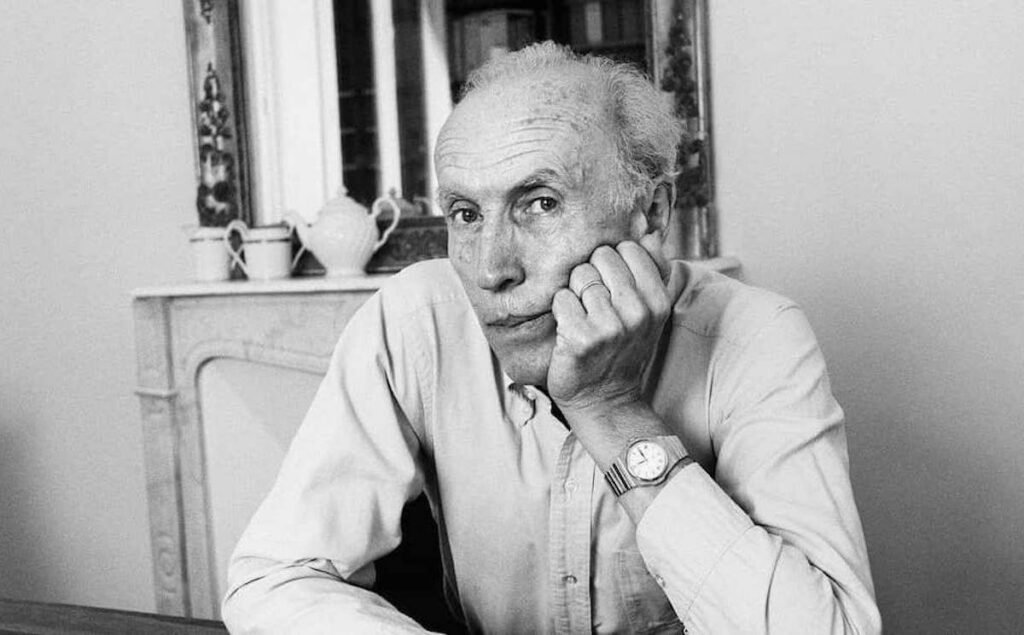
Con il regista riconducibile a Éric Rohmer, il nome assume una funzione ulteriore. Qui incontriamo qualcuno che usa uno pseudonimo per separare il lavoro di critico e regista dalla propria professione di insegnante. La distanza che noi vorremmo colmare attraverso il riconoscimento appartiene già alla sua scelta di diventare autore.
Sotto G si intravede dunque un nome che ne custodisce un altro. Identificare Rohmer non significa raggiungere una persona finalmente priva di maschere: significa ritrovare la firma con cui quella persona ha scelto di rendere pubblica una parte della propria esistenza. Anche il nome che scriveremmo a margine ha una storia di esposizione e di riserbo. Prima di firmarsi Rohmer, Schérer aveva pubblicato il romanzo Élisabeth con lo pseudonimo Gilbert Cordier. Nel 1971, interrogato da Graham Petrie sulla propria nascita, dichiarò di indicare più spesso Nancy, 4 aprile 1923, ammettendo però di fornire talvolta altre date; era nato in realtà a Tulle nel 1920. Chi crede di fermarsi, identificando Rohmer, a un nome finalmente stabile, trova un’altra costruzione.
Lo pseudonimo del regista e la lettera del romanzo rispondono a decisioni diverse. Il primo appartiene al modo in cui un artista organizza il rapporto fra sé e il proprio lavoro. La seconda appartiene alla scrittura che ne fa un personaggio. Riconoscere il regista nel personaggio lascia ancora da capire che cosa il romanzo trattenga della sua biografia e dove cominci a trasformarla.
Abbiamo incontrato un gesto pittorico, lo sguardo di una moglie, un autoritratto, le testimonianze su una scultrice. Sembrava sempre possibile avvicinarci a qualcuno; dipendevamo, però, da un’opera, una relazione, una voce. Il nome poteva riunire queste tracce, senza garantire che componessero una persona intera.
Questo modo di trattenere e insieme cedere un nome ha un precedente dichiarato in La seconda casa (2021), dove una lettera, M, porta la voce narrante ispirata a Mabel Dodge Luhan, e un’altra, L, il pittore modellato su D. H. Lawrence. Lì il libro stesso scioglie l’enigma: una nota finale dichiara il debito verso il memoir di Luhan. In Corteo questo passaggio manca. Prima di diventare G nel volume, il pittore capovolto era apparso sul New Yorker come D; le altre figure, pubblicate separatamente nelle riviste, avevano ricevuto lettere diverse. È nel montaggio del libro che Cusk le riduce tutte alla stessa iniziale, senza aggiungere una nota che sciolga i rimandi. Le identificazioni restano ipotesi del lettore, talvolta avvalorate dall’autrice fuori dal volume. Il dispositivo non si limita dunque a ripetersi: si radicalizza, spostando la chiave interpretativa dal paratesto al mondo, da un gesto dell’autrice a un lavoro che spetta interamente al lettore.
Alla fine possiamo ancora scrivere Baselitz a margine. L’annotazione conserverà una sua esattezza: quel gesto ci ha fatto pensare a lui. Poco più avanti incontreremo un pensiero della moglie che quel nome non basta a restituire alla vita reale. La lettura continua dove l’attribuzione si ferma.
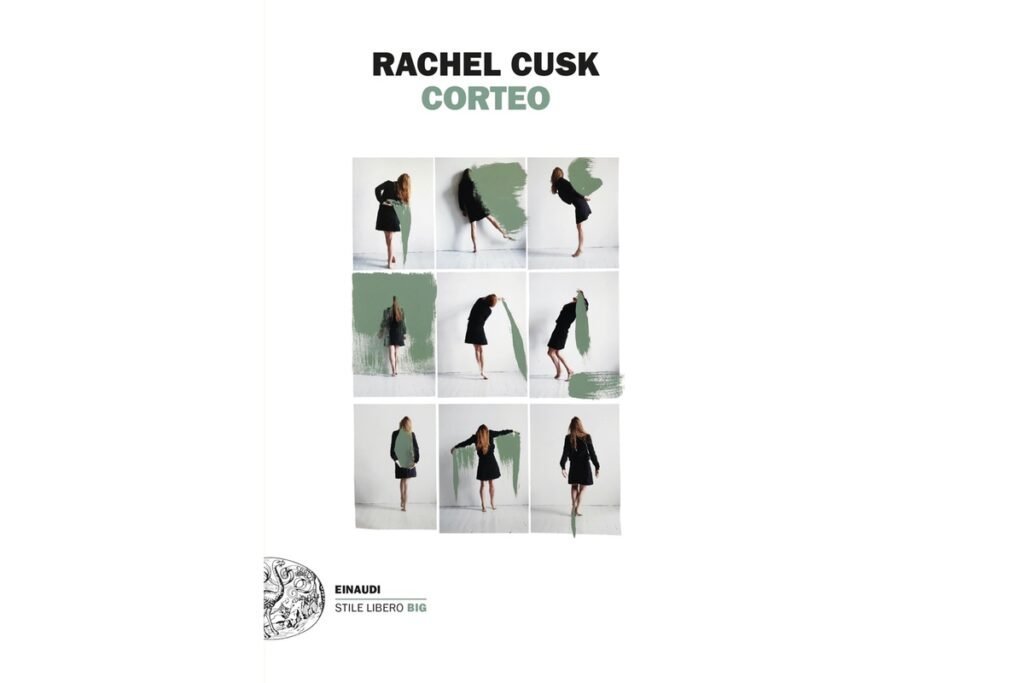
Rachel Cusk, Corteo, traduzione di Anna Nadotti e Isabella Pasqualetto, Einaudi, collana Stile Libero Big, Torino 2025, 168 pp.
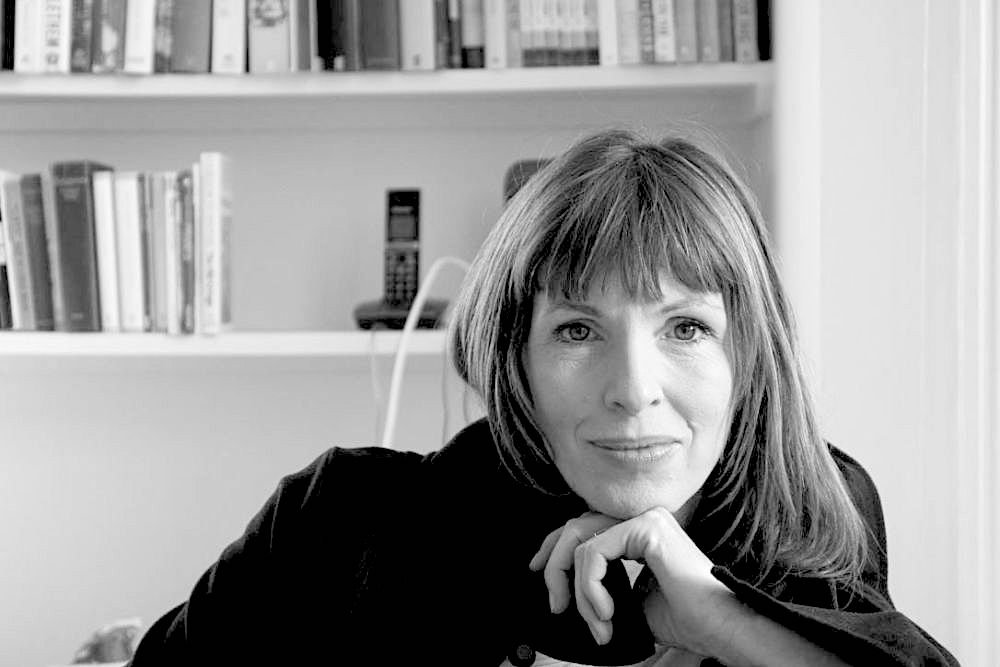
Rachel Cusk (Saskatoon, Canada, 1967) è una scrittrice britannica. Cresciuta tra Stati Uniti e Inghilterra, ha studiato letteratura inglese a Oxford. Esordisce nel 1993 con Saving Agnes, vincitore del Whitbread First Novel Award. Nei romanzi, nei memoir e nei saggi esplora maternità, relazioni familiari e autonomia femminile, interrogando le forme attraverso cui l’esperienza diventa racconto. Con Resoconto, Transiti e Onori, riuniti nella Trilogia dell’ascolto, costruisce una narrazione in cui la protagonista prende forma attraverso le voci degli altri. Il rapporto fra creazione artistica, identità e potere attraversa Corteo (Parade, 2024), vincitore del Goldsmiths Prize e pubblicato in Italia da Einaudi nel 2025, nella traduzione di Anna Nadotti e Isabella Pasqualetto.
The Missing Name | Rachel Cusk and the Recognisability of the Artist
In Parade, Rachel Cusk gives the same initial to different yet recognisable artists. Behind the letter G lie works, biographies, reputations: names the reader believes can be restored to the figures. But what happens when recognition precedes reading? And how much of a real life can enter fiction without being transformed by it?
Before Reading
Parade (2024) is a novel structured in four parts and centred on different artists. Cusk chooses not to distinguish them by their proper names: she calls them G.
The name occurs to us before anyone has spoken it. A painter begins to paint figures upside down, and Georg Baselitz has already entered our reading. He brings with him paintings, exhibitions, statements: everything we know, or believe we know, about him. For a moment, the letter G seems a needless discretion: we have recognised the artist and might write his name in the margin and read on. Yet that very annotation would change the book.
From then on, we would look for confirmation. The wife would become his wife, the house a traceable house, every thought a possible testimony. It is a habit of the eye trained on art: to attribute, identify and name. Cusk gives us just enough to activate it, then leaves us to contend with its consequences. Recognition comes early; certainty that we know who stands before us ought to come much later.
The initial preserves this distance. Something unmistakable remains in the painter G, while the words around him acquire the freedom to lead him elsewhere. The gesture by which we recognised him survives the name and begins to involve those beside him. Facing the inverted figures, his wife recognises a condition that belongs to her. We have seen an author; she sees something of her own existence. The same painting sustains two acts of recognition, and the second unsettles the assurance of the first.
It is within this interval that the figure of the artist enters writing. The work retains the power to summon a real person, but it also becomes the place in which another person finds herself exposed. Baselitz’s name continues to accompany us. Now, however, we must decide how much of our seeing to entrust to it.
The Reader Who Recognises
Further on, G changes body, profession, sex. The letter accompanies lives kept apart by their details. To anyone familiar with art, a sculptor’s spiders point towards Louise Bourgeois; a painter who died young, whose body enters her painting, brings Paula Modersohn-Becker to mind. At every turn, a name becomes available again, and to assign it risks bringing the work of the sentence to a premature close.
A third figure moving through the book has not yet been named in this essay. The reference points towards Norman Lewis, who as a boy learnt to draw by copying pictures from books borrowed from a Harlem library and was the only Black artist present at the Artists’ Sessions at Studio 35, held in New York in April 1950. His participation in those meetings did not secure him the recognition accorded to the other Abstract Expressionists; his place in the canon was consolidated largely after his death. If Baselitz’s name carries exhibitions, prices and an established reputation with it, Lewis’s carries a career lived at the edges of the very canon that included him. The letter G treats alike those whose names have always been visible and those who had to win that visibility late, almost posthumously.
In art history, an attribution brings things together: it places a work alongside a body of work, situates it within a history, makes comparisons possible. Here, while the same letter returns, we must distinguish between people. They are separated by their gestures, relationships and working conditions. G accompanies the passage from one to another without offering us, at each encounter, the shelter of a different name.
For those who identify the models, the temptation is to restore the divisions: Baselitz here, Bourgeois there. Yet to attribute a work is to try to identify its author; recognising the model for a character does not establish to whom every gesture, feeling or word belongs. Through proximity, the most unmistakable detail threatens to make everything else credible.
Between two versions of the opening, this uncertainty assumes a concrete form. In the story The Stuntman, published on the New Yorker website on 17 April 2023 and in the 24 April and 1 May issue, the painter is called D, and the first sentence is followed by a declaration: ‘This is how I imagine it.’ At the opening of Parade (2024), the letter has become G and that declaration has disappeared. At that point, a voice marking its own intervention falls silent. The difference leaves the reader with a more exposed task: to sense for themselves where the recognisable detail enters invention. The sentence proceeds without pausing to distinguish what we know about the artist from what the story attributes to him.
Here, the informed reader encounters a particular difficulty. Those who do not recognise the artists can follow the figures without having to compare them with an identity they already know. Those who do recognise them also read through a memory: a painting seen, a statement, a biography. They bring into the book a second story, one Cusk need not tell. But they must notice when they begin to read it in place of the one before them.
Who Controls the Image
In the novel’s opening lines, there is a signature. Its position on the canvas shows that the painting was conceived upside down, rather than hung incorrectly. The artist whom the story calls G signs his work: that mark establishes the direction in which it is to be viewed, while the letter leaves uncertain the person to whom the story should be traced.
In her interview with Deborah Treisman, Rachel Cusk on the Self in Visual Art, published on the New Yorker website on 17 April 2023 to accompany The Stuntman, Cusk observes that writers are identified with their work with a persistence against which visual artists seem to her better protected. To carry a painter into prose is therefore also to expose him to the biographical possibilities of language.
G makes that exposure ambiguous. Distance from the real name does not necessarily weaken the sentence’s power to persuade: readers who recognise a manner of painting may be induced to attribute to the artist the thoughts invented for the character as well. The freedom of fiction coexists with this possibility of being believed.
At the opening, the signature is followed by the wife’s thought. She senses in the inversion something disturbing about the female condition and wonders whether it might damage her husband’s career; instead, critical enthusiasm follows. Within a few lines, the same invention gathers a private fear and a public confirmation. Success does not disprove what she has seen. It simply leaves it without consequence for the painter’s fortunes.
The inversion to which the novel alludes has, in art history, an origin different from the one the story assigns to it. When Baselitz began painting upside down in 1969, he did so to remove the figure from immediate interpretation: to separate subject from composition and shift attention to surface, colour and gesture. In its origins, this was not an operation on content but on painting itself. The novel reverses that hierarchy: it turns a formal gesture into the sign of existential distress, something the wife recognises as the condition of being a woman. The two readings do not present a contradiction to be resolved, but a divergence worth noting: fiction extracts a precise pictorial gesture and gives it a meaning that art, at its origin, had not entrusted to it.
We gain access to that thought through the story. In these lines the wife does not speak directly: it is the writing that reports what she thinks and asks herself. Cusk brings us close to the woman at precisely the point where a painting, a signature or a biographical fact could not lead us unaided. Yet that proximity depends upon the writer’s authority to furnish her with an inner life. To read it as testimony about the real wife would be to transfer to biography what we have received from fiction.
The painter who calls Paula Modersohn-Becker to mind carries the comparison into self-portraiture. Here, the person who paints is also the one represented: the body becomes an image through the woman’s own decision. Compared with G’s wife, what changes is the possibility of giving oneself a form. But when that gesture enters the novel, the self-portrait once again meets the gaze and words of another author. The woman who chose how to paint herself is, in turn, narrated. Her passage into literature reopens the question of who controls her image.
The Lives of Others
At dinner after the exhibition, the sculptor is pieced together through the words of those who knew her. They discuss her character, her cruelties, her relationships with men, her capacity to be a mother. Recognition moves onto different ground. Before the works, we could think of a name; now we listen to people who, through memory, claim knowledge of the woman.
Familiarity introduces a different authority. To have met her, to have received her attention or harshness, seems to confer the right to establish who she was. Each episode can become an explanation of the whole life; reputation takes shape when one version finds someone willing to repeat it.
The figure of the artist thus passes from work to reputation. Previously, we brought into the book what we believed we knew; now the same operation is entrusted to the dinner guests. Each speaks from within a relationship and, alongside the sculptor, reveals the place they occupied or wished to occupy beside her. Intimacy can multiply the images of a person as readily as distance.
The judgements on motherhood, ambition and emotional availability reveal the different standards by which an artist’s life is assessed. But merely recording that disparity would leave another question untouched: why do we ask a private account to have the last word on the work? A cruelty someone remembers can become a universal key, capable of retrospectively explaining every form.
The sculptor is absent. The words continue to reach her, though she cannot answer. The works, just seen, remain in the conversation’s memory: they may be illuminated by it, but may also come to resemble too closely the woman those present are constructing.
A Chosen Name
With the director identifiable as Éric Rohmer, the name assumes a further function. Here we encounter someone who uses a pseudonym to separate his work as a critic and filmmaker from his profession as a schoolteacher. The distance we would close through recognition already belongs to his decision to become an author.
Beneath G, then, appears a name that shelters another. To identify Rohmer is not to reach a person finally stripped of masks: it is to recover the signature through which that person chose to make part of his existence public. Even the name we would write in the margin has its own history of exposure and reserve. Before adopting the name Rohmer, Schérer had published the novel Élisabeth under the pseudonym Gilbert Cordier. In 1971, when Graham Petrie asked about his birth, he said that he most often gave Nancy, 4 April 1923, while admitting that he sometimes supplied other dates; in fact, he had been born in Tulle in 1920. Anyone who believes that identifying Rohmer has brought them to a finally stable name encounters another construction.
The director’s pseudonym and the novel’s letter arise from different decisions. The first belongs to the way an artist organises the relationship between himself and his work. The second belongs to the writing that turns him into a character. To recognise the director within the character still leaves us to determine what the novel retains of his biography and where it begins to transform it.
We have encountered a pictorial gesture, a wife’s gaze, a self-portrait, testimonies about a sculptor. It always seemed possible to draw closer to someone; yet we depended upon a work, a relationship, a voice. The name could gather these traces without guaranteeing that they formed a whole person.
This way of withholding and at the same time relinquishing a name has an acknowledged precedent in Second Place (2021), where M designates the narrator inspired by Mabel Dodge Luhan, and L the painter modelled on D. H. Lawrence. There, the book itself solves the riddle: an endnote declares its debt to Luhan’s memoir. In Parade, that step is absent. Before becoming G in the volume, the painter of inverted figures had appeared in the New Yorker as D; the other figures, published separately in magazines, had been assigned different letters. It is in the composition of the book that Cusk reduces them all to the same initial, without adding a note to resolve the allusions. The identifications remain the reader’s hypotheses, at times corroborated by the author outside the volume. The device therefore does not merely repeat itself: it becomes more radical, shifting the interpretative key from the paratext to the world beyond the book, from an authorial gesture to work that belongs entirely to the reader.
In the end, we may still write Baselitz in the margin. The annotation will retain its accuracy: that gesture made us think of him. A little further on, we will encounter a thought belonging to the wife that the name cannot restore to real life. Reading continues where attribution ends.
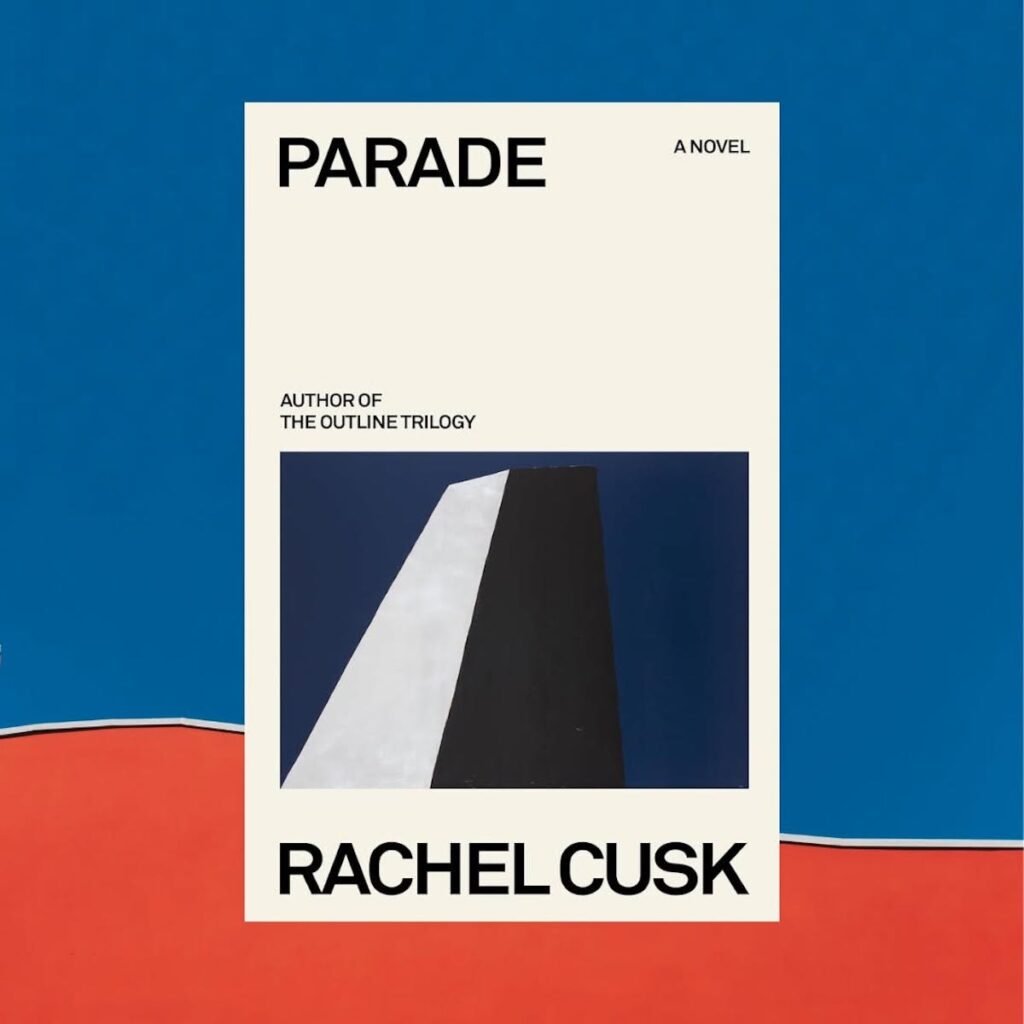
Rachel Cusk, Corteo (Italian translation of Parade by Anna Nadotti and Isabella Pasqualetto), Einaudi, Stile Libero Big, Turin, 2025, 168 pp.
Rachel Cusk (Saskatoon, Canada, 1967) is a British writer. Raised in the United States and England, she studied English at Oxford. Her first novel, Saving Agnes (1993), won the Whitbread First Novel Award. Across her novels, memoirs and essays, she explores motherhood, family relationships and female autonomy, examining the forms through which experience becomes narrative. In Outline, Transit and Kudos, brought together as the Outline Trilogy, the protagonist takes shape through the voices of others. The relationship between artistic creation, identity and power runs through Parade (2024), winner of the Goldsmiths Prize and published in Italy by Einaudi in 2025 in a translation by Anna Nadotti and Isabella Pasqualetto.