English text below —
Non è necessario che un luogo sia storico per appartenere a un altro tempo. Talvolta basta che interrompa, quasi impercettibilmente, il ritmo con cui siamo abituati a vedere, camminare, abitare. Accade raramente. Ma quando accade, il tempo smette di essere soltanto la misura delle cose e diventa una materia che lo spazio trattiene, modifica, restituisce. Il Red Brick Art Museum, costruito nel 2014 ai margini di Pechino, produce precisamente questa esperienza. Sorge nel cuore di una città che continua a trasformarsi e, proprio per questo, sceglie un’altra velocità. Non quella della nostalgia né quella dell’utopia, ma quella di una durata che si lascia abitare.
RED BRICK ART MUSEUM.
Il rosso come tempo. Architetture della lentezza
C’è un luogo, ai margini in espansione di Pechino, dove la città non avanza soltanto: si arresta, si piega, cambia ritmo. Non è una sospensione, ma una deviazione. Tra infrastrutture, ambasciate e nuovi quartieri che hanno cancellato la traccia dei campi, il Red Brick Art Museum appare come un gesto laterale, che introduce un’altra misura invece di opporre resistenza.
L’area in cui il museo prende forma non conserva tracce visibili di ciò che è stata. A nord-est di Pechino, nel distretto di Chaoyang, l’aria stessa sembra attraversata da una trasformazione continua—cantieri, strade che si aprono e si richiudono, recinzioni provvisorie che diventano permanenti. Dove un tempo si stendevano campi e margini agricoli, ora restano superfici livellate, percorse da un movimento che non lascia residui, ma sostituzioni.
In questo paesaggio instabile, il Red Brick Art Museum si comporta come una variazione impercettibile del ritmo, non come un’interruzione. Non recupera ciò che è stato, non lo rende visibile. Introduce piuttosto una zona di rallentamento, un punto in cui la trasformazione si fa meno lineare, più densa. La luce si deposita diversamente, il suolo sembra trattenere qualcosa che non si lascia nominare. Ciò che altrove scompare senza lasciare traccia, qui permane in altra forma, senza tornare mai davvero uguale a sé—nei vuoti, nei passaggi, nel giardino. Assomiglia più a una presenza diffusa, che continua a operare senza dichiararsi, che a una memoria riconoscibile.
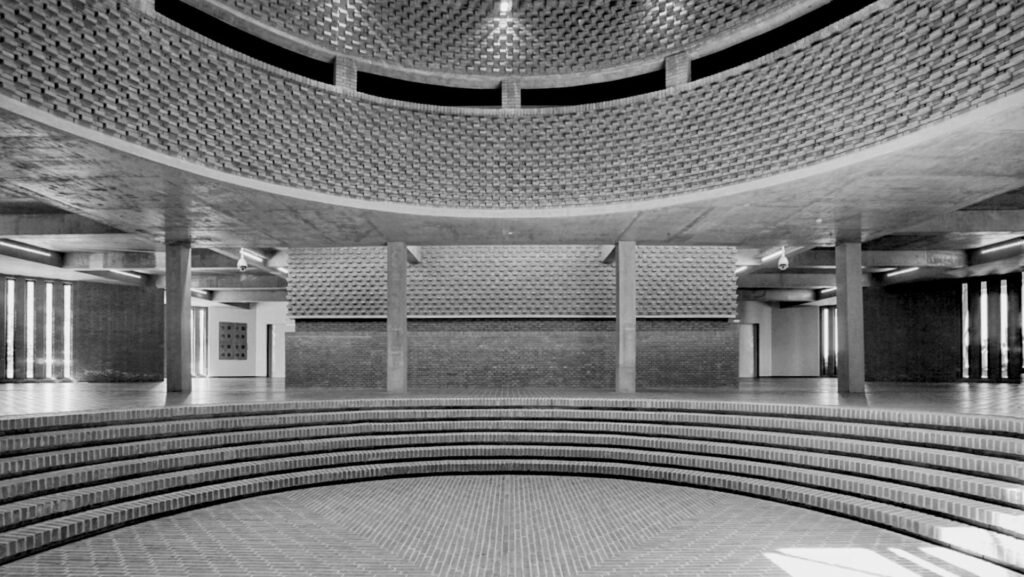
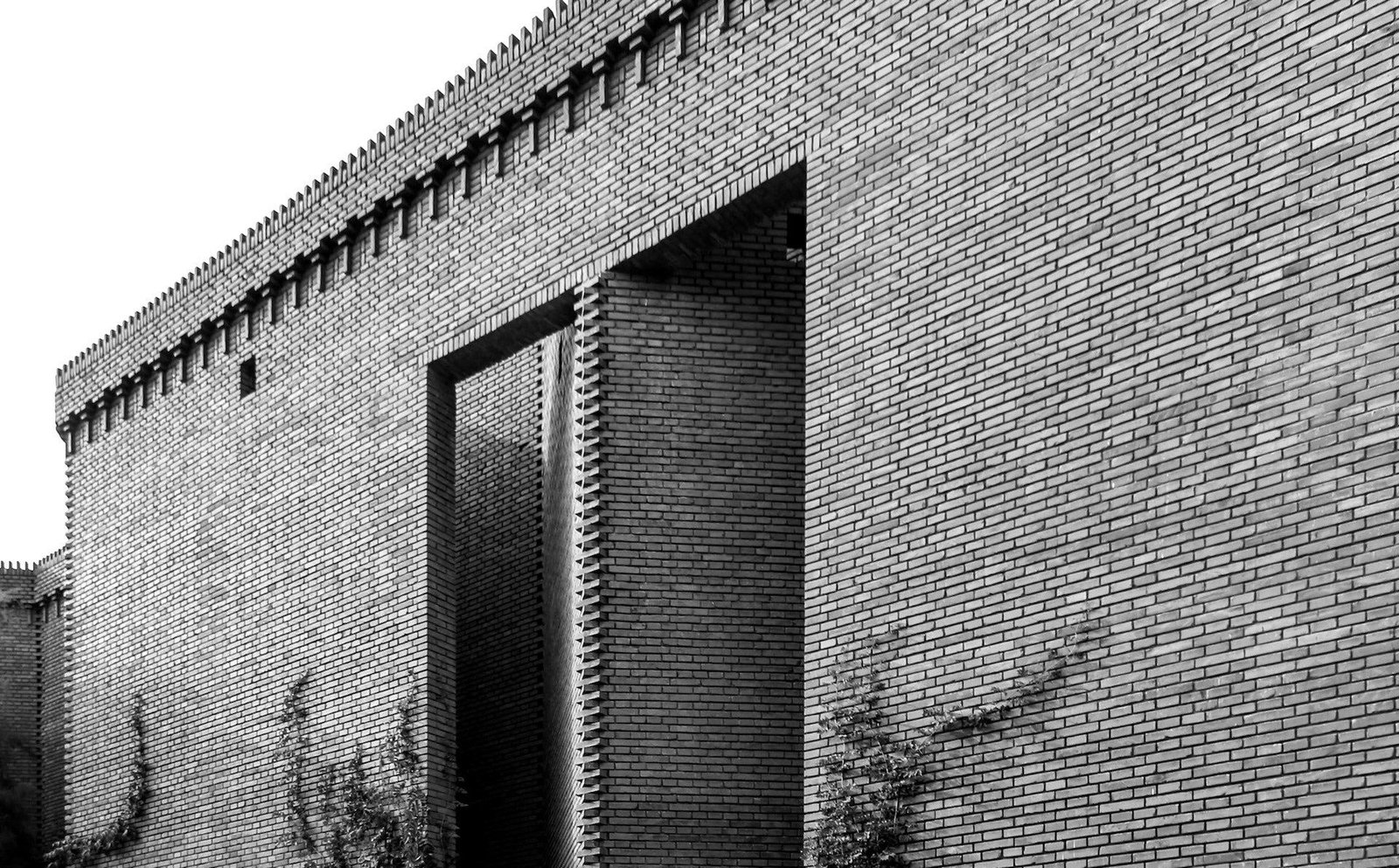
Inaugurato nel 2014, su progetto di Dong Yugan, per volontà di Yan Shijie e Cao Mei, il museo si presenta come un sistema da apprendere lentamente, più che come un edificio da percorrere. Non si offre allo sguardo in un colpo solo: si lascia incontrare per scarti, per avvicinamenti progressivi, per perdite. Il rosso non è qui una qualità visiva. È una forma di durata. Il mattone assorbe la luce, la trattiene, la restituisce come tempo. Le pareti non delimitano: rallentano. Ogni superficie sembra portare con sé un deposito—una memoria che non si dichiara, ma insiste.
L’architettura si costruisce per sottrazione. Volumi che si aprono e si richiudono, passaggi che deviano, cortili che interrompono. Nulla conduce direttamente a qualcosa. Ogni orientamento è provvisorio. È come se lo spazio rifiutasse la linearità per farsi campo di attraversamenti incompleti, di traiettorie che si interrompono prima di compiersi. Non è un luogo che conserva, né un ambiente che espone il passato secondo una sequenza riconoscibile. Qui, ciò che chiamiamo tradizione non appare mai come oggetto: si disperde nella materia, si lascia assorbire dai percorsi, riaffiora nei ritmi lenti del giardino. Anche il nome—Red Brick Art Museum—non descrive, ma trattiene. Il mattone rosso, elemento primario dell’architettura concepita da Dong Yugan, appartiene a una memoria costruttiva profondamente radicata nella storia cinese: materia povera e durevole, legata alle abitazioni vernacolari, ai muri di cinta, ai cortili, alle architetture civili e domestiche che hanno dato forma a un’idea di spazio fatto di protezione, passaggi, soglie interne, pieni e vuoti. Il rosso del mattone non è soltanto una scelta materica. In Cina, il rosso si insinua nella costruzione stessa dello spazio: è il colore delle mura, delle porte, delle soglie che segnano il passaggio tra interno ed esterno, tra pubblico e privato. Nelle architetture tradizionali—dai complessi imperiali come la Città Proibita alle abitazioni a corte del nord—il rosso non riveste, ma struttura: definisce gerarchie, orienta il movimento, protegge. Traslato nel mattone, questo colore perde la sua funzione cerimoniale e si fa più opaco, più terrestre. Non celebra, ma custodisce. Assorbe il tempo invece di dichiararlo. È un rosso che non appare immediatamente come simbolo, ma che continua a operare come memoria latente, inscritta nella materia stessa. Non è quindi una superficie neutra, ma un deposito che trasforma la luce in tempo. In questa scelta, il museo non cita la tradizione: la riattiva, trasformando un materiale ordinario in principio percettivo. Qui, non è una distanza riconoscibile a farsi avanti. Nulla è custodito, nulla è esposto, nulla si offre come resto. Non c’è un prima che precede lo spazio: ciò che accade nasce insieme a esso.
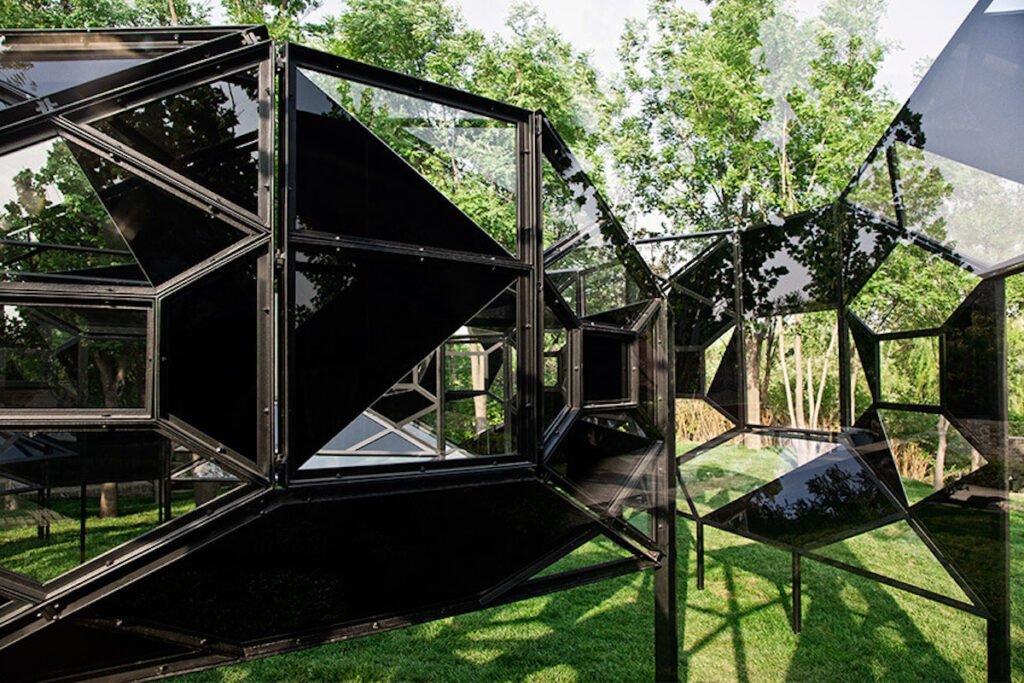
Non esiste una materia che testimoni, né una traccia che garantisca continuità. Ciò che altrove si raccoglie come passato, qui si disperde senza mai raccogliersi in una forma stabile. Non si deposita: transita. Non si stratifica: si modifica.
È in questo stato che l’ambiente smette di essere contemporaneo nel senso lineare del termine. Non perché rinvii a un prima, ma perché rende instabile ogni distinzione tra ciò che è stato e ciò che accade. Ciò che resta è una prossimità che non si lascia fissare, più che una distanza da colmare.
È una continuità che si trasforma, non una memoria stratificata. Il tempo non si organizza per livelli, non si offre alla lettura: si costruisce come ambiente, come clima continuo. È qualcosa che non si guarda, ma dentro cui ci si inoltra, senza poterlo mai circoscrivere del tutto. Voluto dai collezionisti Yan Shijie e Cao Mei, il museo prende corpo in un momento in cui la cultura smette di essere margine e diventa infrastruttura, quando la produzione si sposta verso una dimensione di creazione e i soggetti privati iniziano a costruire istituzioni. Non nasce come accumulo, ma come atto: istituire un luogo in cui arte, architettura e paesaggio ridefiniscono il rapporto tra contemporaneità e tradizione in un’oscillazione tra costruito e naturale, tra progetto e crescita. Ciò che resta non è una traccia da interpretare, ma una presenza che insiste—silenziosa, laterale, mai del tutto disponibile. Dong Yugan non appartiene alla geografia visibile dell’architettura globale. Il suo lavoro si colloca altrove—lontano dalla spettacolarizzazione e dalla firma—dove la costruzione si misura in durata, non in immagine. È in questo scarto che la sua pratica acquista una precisione rara: non afferma, non rappresenta, ma organizza condizioni. Lavora ai margini di ciò che l’architettura dichiara. La sua formazione, tra Tsinghua University e una lunga attività di insegnamento e ricerca, non si traduce in un linguaggio riconoscibile, ma in una pratica che evita la forma come affermazione. C’è, nel suo lavoro, una relazione costante con la tradizione spaziale cinese—non come repertorio, ma come struttura mentale. Il giardino, il cortile, il muro non sono elementi da citare, ma principi operativi: modi di costruire un’esperienza che si dà per attraversamenti, per ritardi, per sottrazioni. Nulla è immediato, nulla è definitivo.
In un contesto segnato da una crescita rapida e spesso indifferente alla durata, Dong Yugan costruisce spazi che rallentano invece di opporsi. Introduce una densità minima, una resistenza silenziosa. Nel Red Brick Art Museum, la sua pratica non si impone mai come firma riconoscibile, non costruisce per affermare una forma, ma per introdurre una durata. L’architettura, qui, non è un gesto concluso: è una condizione che si modifica nel tempo, segnata da luce, vegetazione, uso. Non esiste un dentro separato da un fuori: esiste una continuità in cui le distinzioni si attenuano, si riformulano, si perdono.
È in questa fluttuazione che si riconosce il nucleo del suo lavoro. I volumi si offrono come frammenti in relazione, mai come unità compatte—pieni e vuoti che si inseguono senza mai chiudersi definitivamente. Lo spazio non guida, non orienta in modo definitivo: chiede al corpo di rallentare, di correggere, di tornare sui propri passi. Anche il giardino, lungi dall’essere un’estensione decorativa, entra in questa logica. Non accompagna l’architettura: la mette in crisi. La vegetazione cresce, invade, modifica ciò che è stato progettato. Il disegno iniziale non viene cancellato, ma continuamente riscritto da ciò che eccede il controllo. È qui che la costruzione si apre a una dimensione più ampia, dove umano e non umano condividono lo stesso campo di azione. In questo senso, l’architettura di Dong Yugan produce condizioni di percezione. Non organizza lo spazio per essere visto, ma per essere esperito nel tempo. Una pratica che non cerca la forma definitiva, ma una durata instabile—qualcosa che, mentre si costruisce, continua a trasformarsi.
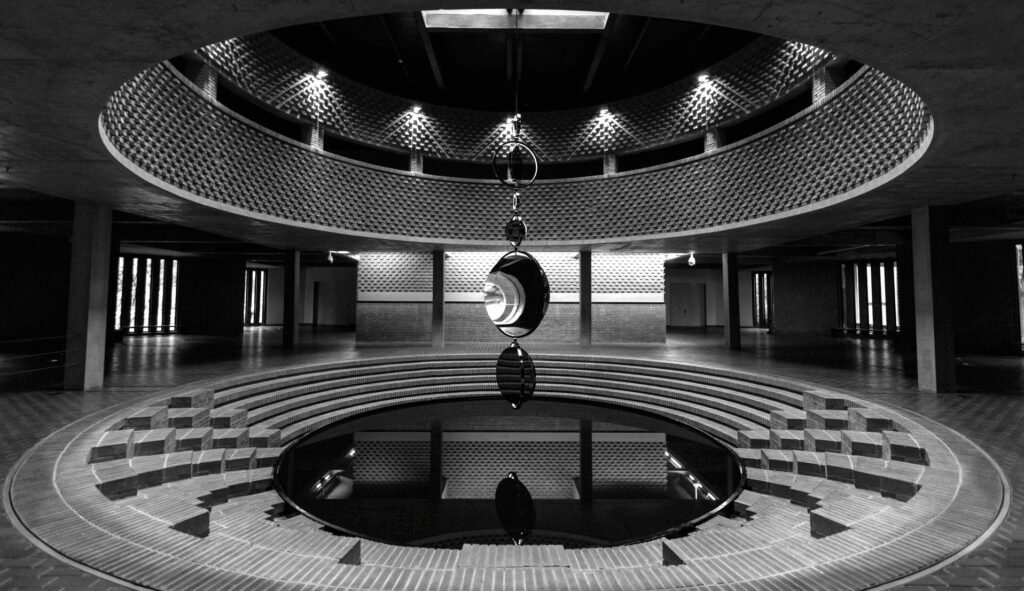
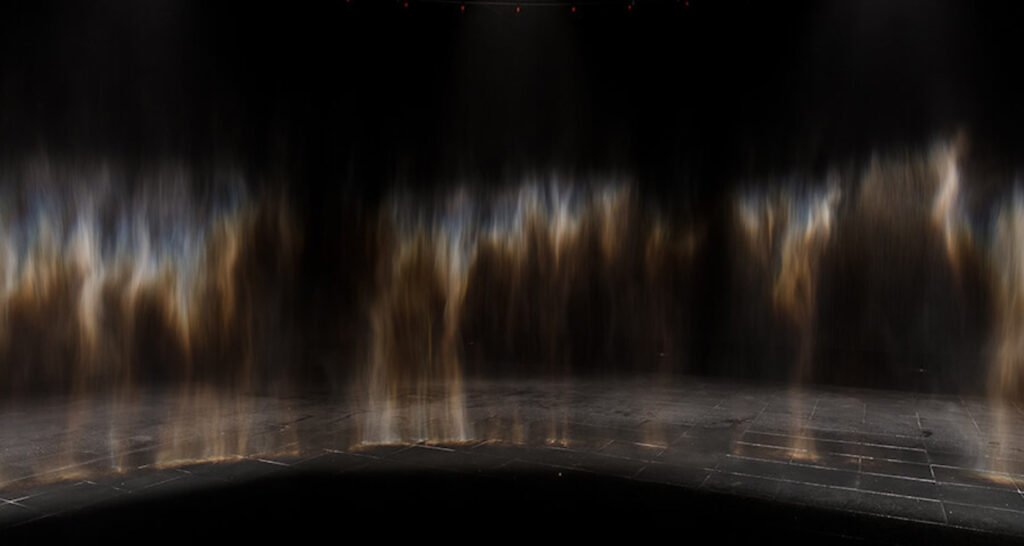
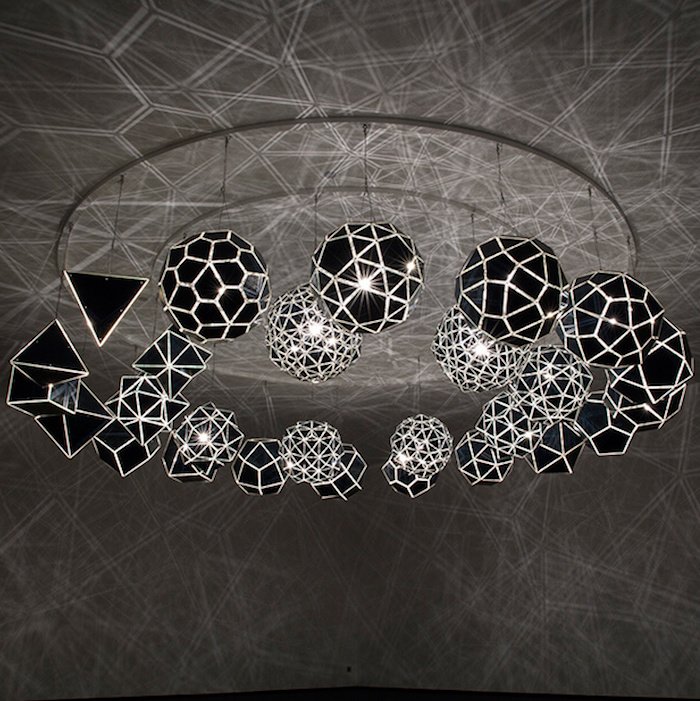
Nel 2018 la Round Hall si riempie di nebbia. Non è un’immagine: è aria che si sposta, luce che cambia direzione a ogni passo. È The Unspeakable Openness of Things, la mostra con cui Olafur Eliasson occupa insieme gli otto spazi espositivi e il giardino, trattandoli come un unico organismo percettivo. Qui l’opera non rappresenta un fenomeno naturale: lo produce. L’architettura di Dong Yugan smette, per una volta, di essere sfondo.
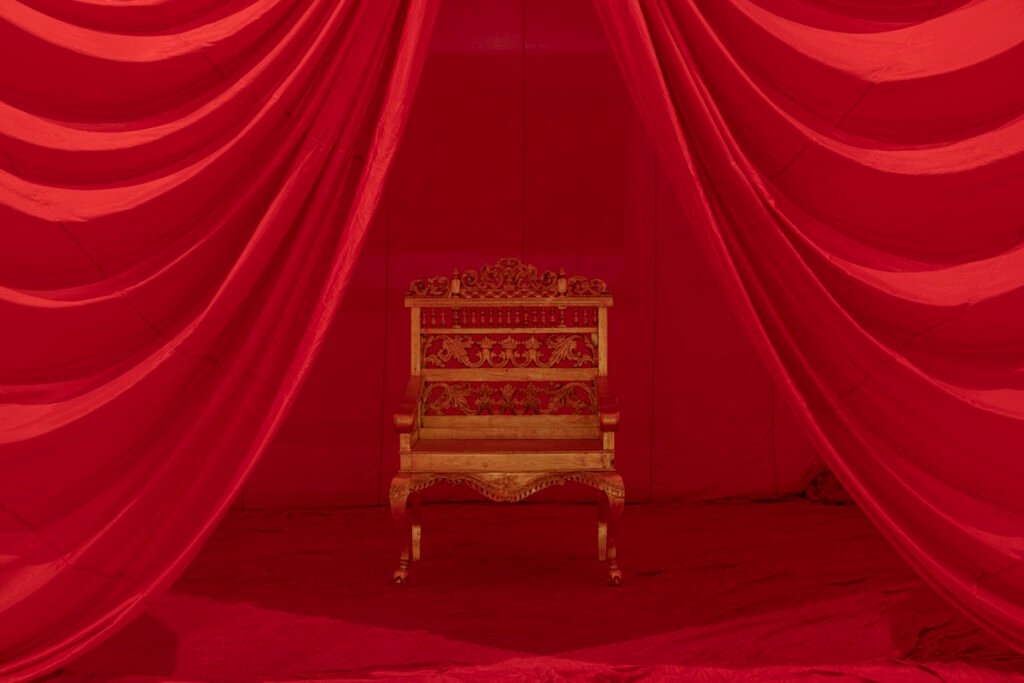
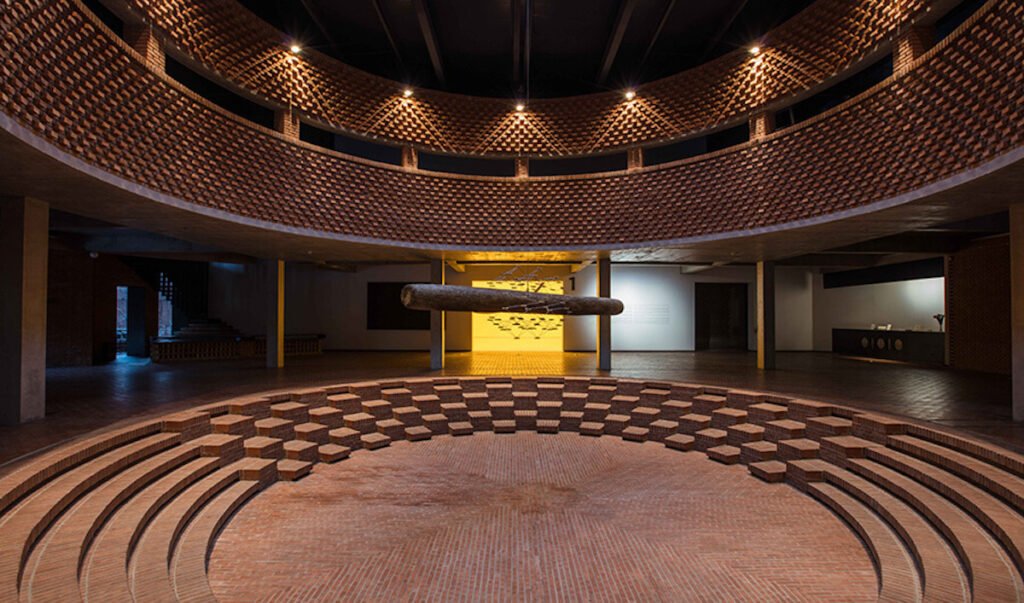
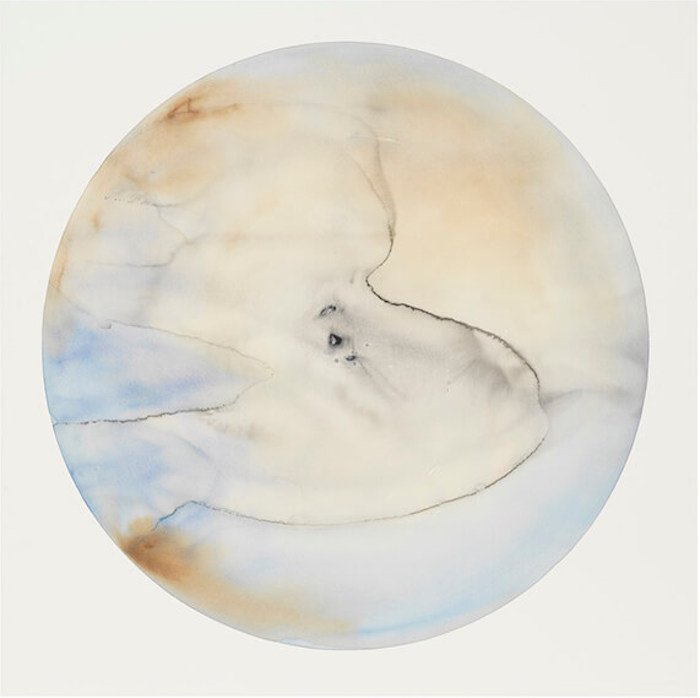
Nel 2021, con James Lee Byars: The Perfect Moment, la perfezione entra nel museo non come misura raggiunta, ma come istante sul punto di dissolversi. Prima retrospettiva dell’artista in Cina, curata da Yan Shijie, la mostra riunisce oltre cinquanta opere tra sculture, installazioni, video, performance e materiali d’archivio, ripercorrendo quattro decenni di ricerca. Le forme assolute di Byars—la sfera, il cerchio, la colonna—entrano in rapporto con l’architettura senza arrestarne il movimento, spingendolo piuttosto verso il suo limite. La materia aspira all’eternità, mentre il gesto resta fragile, irripetibile. La perfezione coincide allora con ciò che non può durare: un’apparizione che, proprio mentre prende forma, comincia a scomparire.
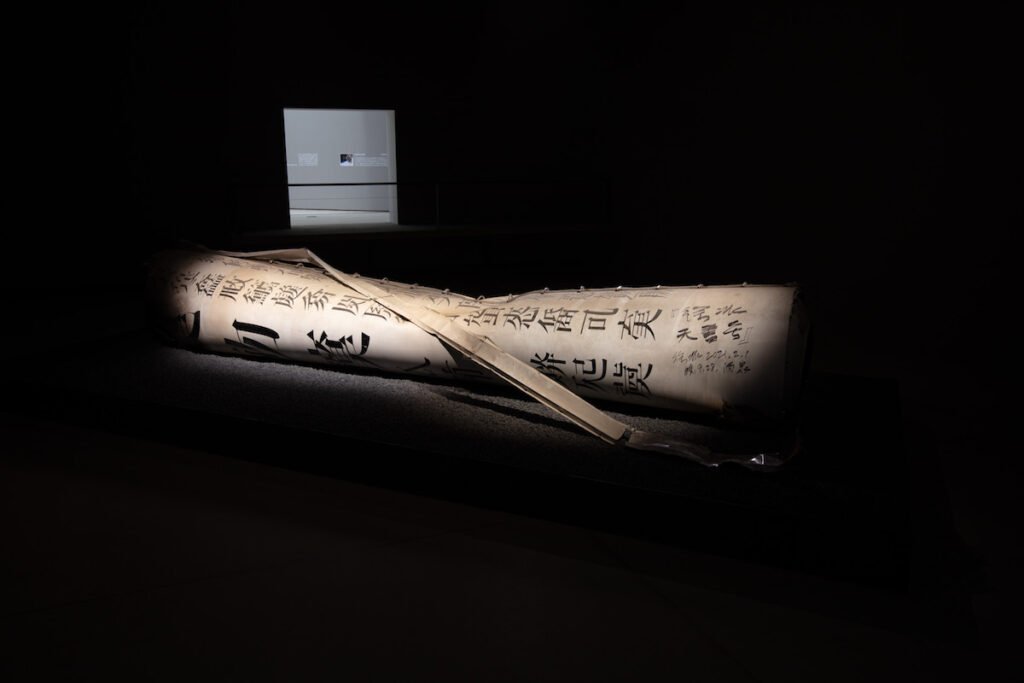
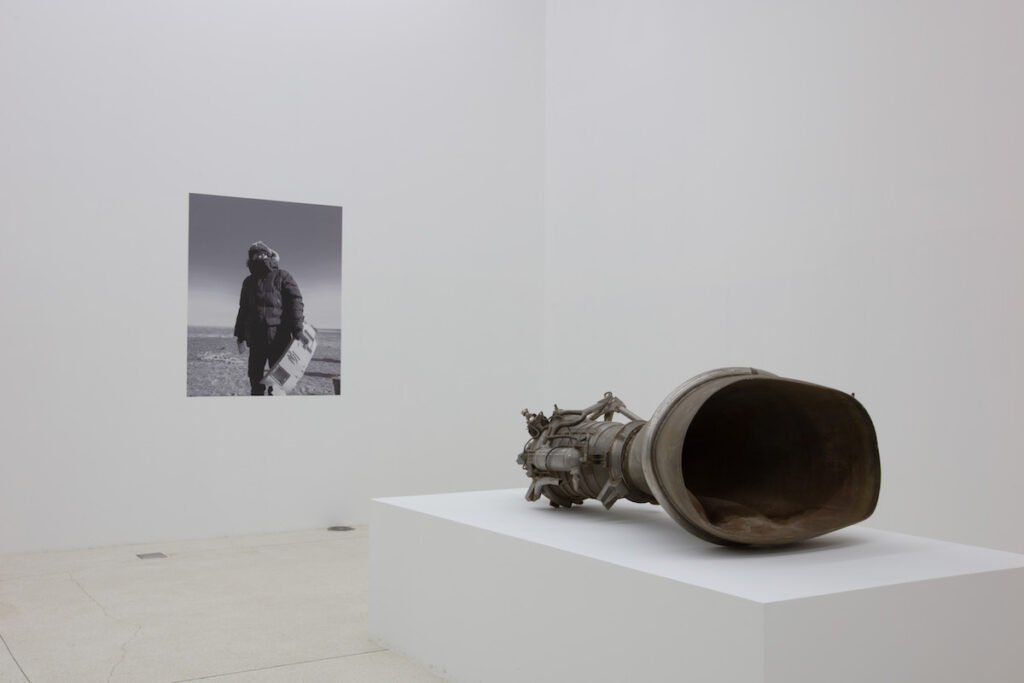
Anche quando l’opera si spinge oltre i confini del luogo, il dialogo con il museo non si interrompe. Art Beyond the Kármán Line (2021–2022) prende il nome dal confine convenzionale tra atmosfera terrestre e spazio, e lì Xu Bing sposta la soglia—elemento costitutivo dell’architettura cinese, qui trasformato in principio concettuale: un razzo battezzato con il titolo della sua opera storica, i cui frammenti, ricaduti nel deserto del Gobi, tornano al museo come reperti in dialogo con gli spazi che li accolgono. Scienza missilistica e linguaggio inventato si toccano senza fondersi, in un equilibrio che non si lascia mai risolvere del tutto.
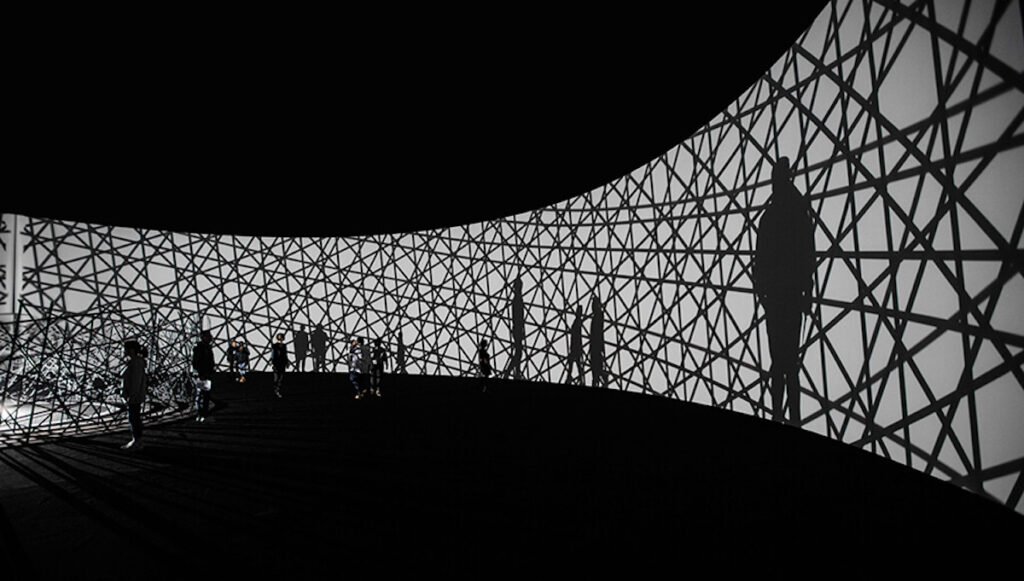
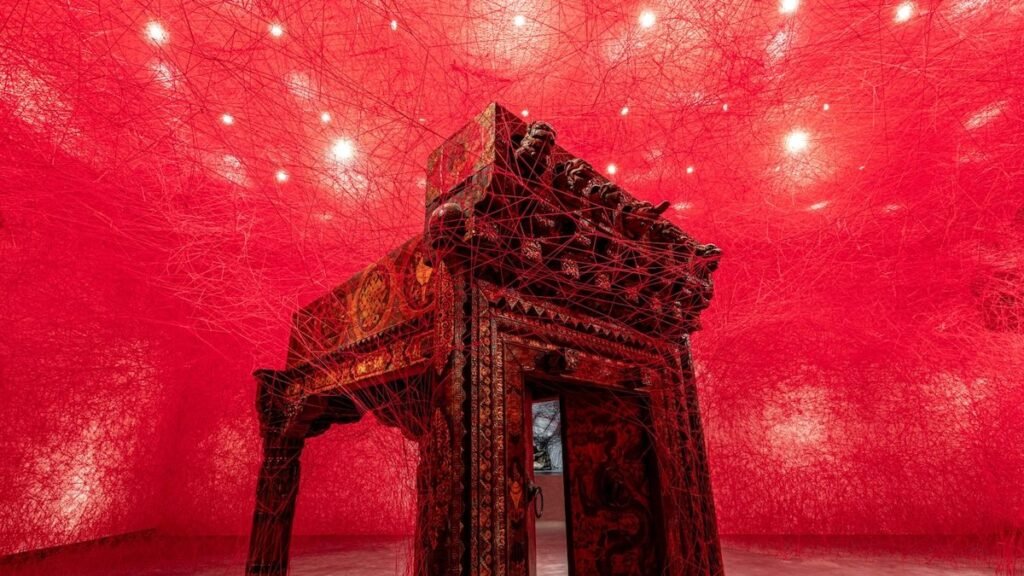
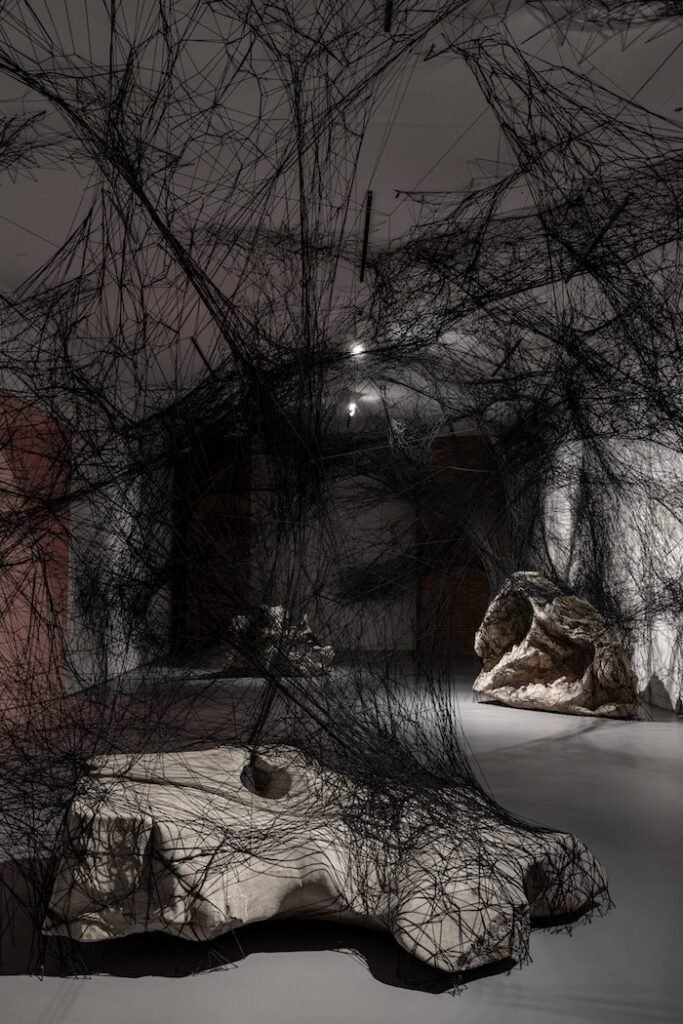
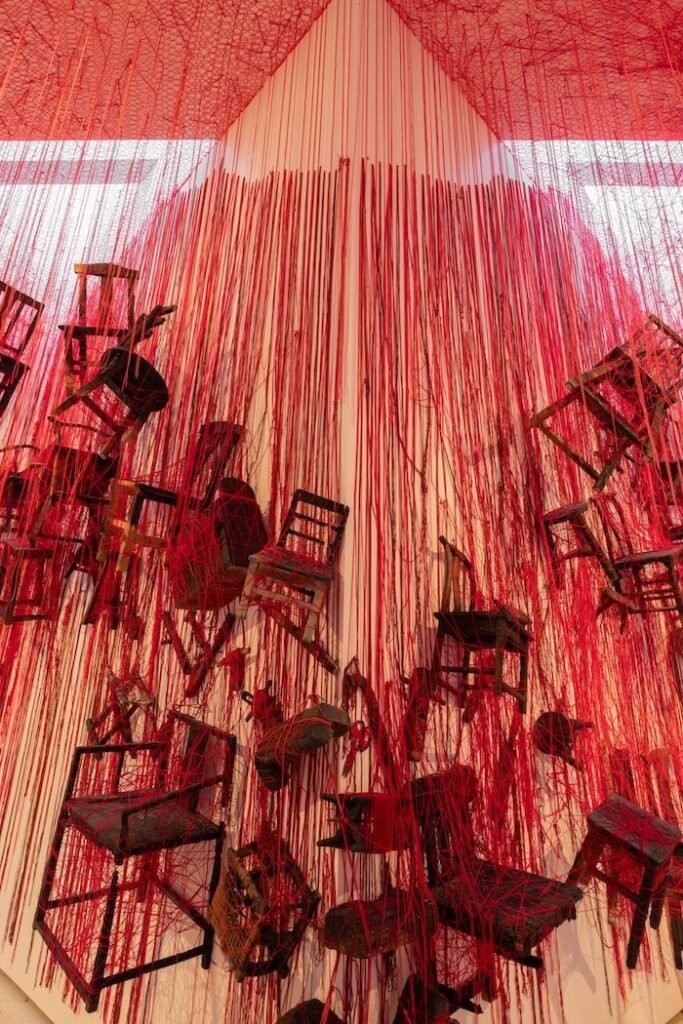
Quando un intervento si materializza—come le trame sospese di Chiharu Shiota, in Silent Emptiness (2025)—non occupa lo spazio, lo attraversa. Fili rossi che lacerano un’antica porta tibetana, rocce da cui emergono onde di filo nero, una barca in disuso da cui nasce un albero: ogni installazione, pensata site-specific per il museo, integra materiali orientali e locali in un dialogo diretto con l’architettura, traducendo il vuoto della filosofia orientale in una sensazione tattile. Lo rende visibile nella sua instabilità. Ciò che emerge non è un’immagine, ma una condizione: qualcosa che si tiene insieme solo per il tempo della percezione.
Ma è proprio nel giardino che il museo respira davvero. Il giardino non si offre mai come insieme leggibile. Si costruisce per stanze aperte, per sequenze che si lasciano scorrere come episodi discontinui, mai per un disegno unico. Padiglioni bassi, muri traforati, superfici d’acqua e percorsi sinuosi articolano il giardino secondo una logica che evita ogni frontalità: nulla si dispone per essere visto in un colpo solo, tutto si sottrae e si ricompone nello spostamento. La vegetazione segue la stessa regola. Non è ordinata per specie, ma per condizioni. Alberi resistenti agli inverni secchi e alle estati calde—aceri, pini, ginkgo”—si alternano ad arbusti spontanei, bambù, erbe che crescono ai margini e lentamente invadono.
Le piante non decorano, sono state scelte per far accadere il tempo nel giardino: costruiscono densità, introducono ombre, modificano i percorsi. Alcune restano basse, altre si alzano oltre il controllo del disegno iniziale, producendo una variazione continua del paesaggio. Tra pietra, acqua e terra, il giardino si trasforma nel tempo. Le superfici si consumano, le foglie cadono, i colori mutano con le stagioni. Niente si conclude una volta per tutte. Anche ciò che appare costruito—le fontane, i camminamenti, le soglie—viene progressivamente ridefinito da ciò che cresce, si espande, eccede.
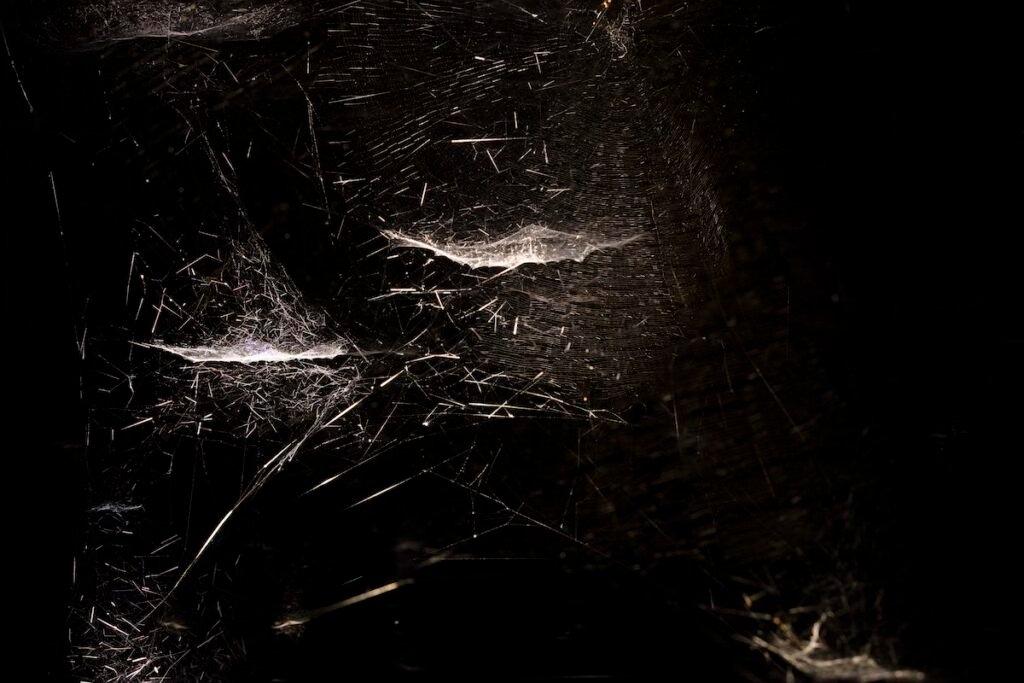
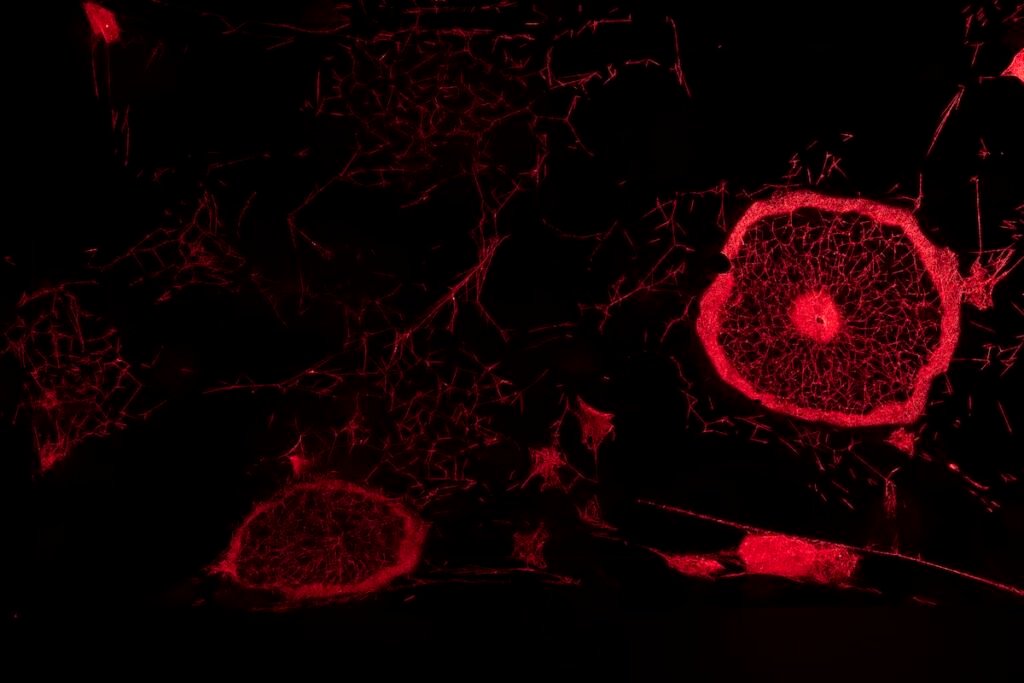
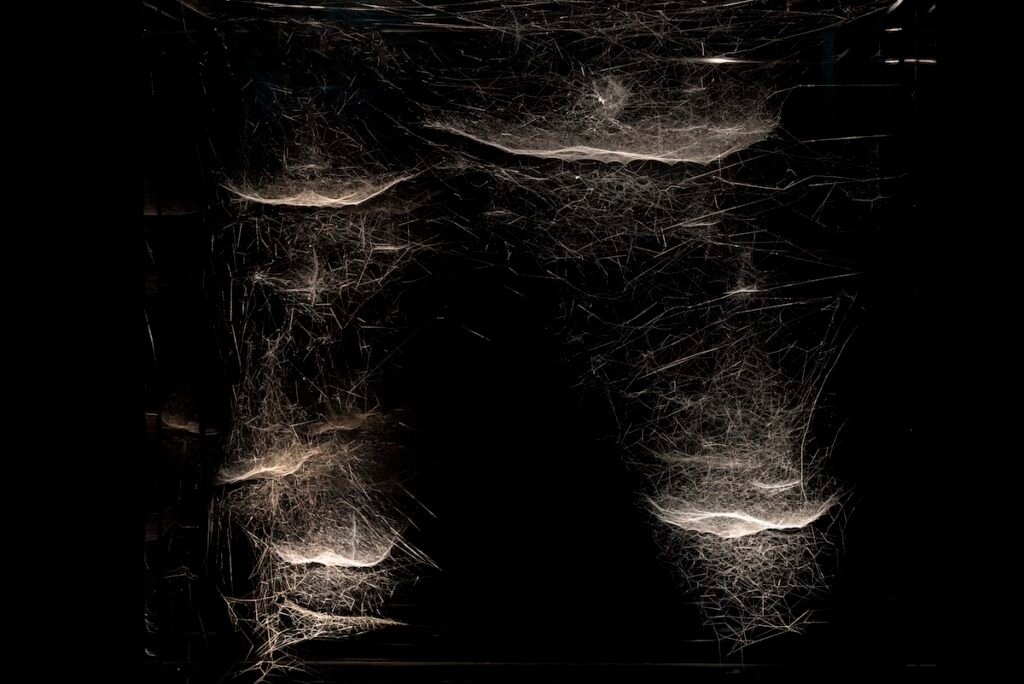
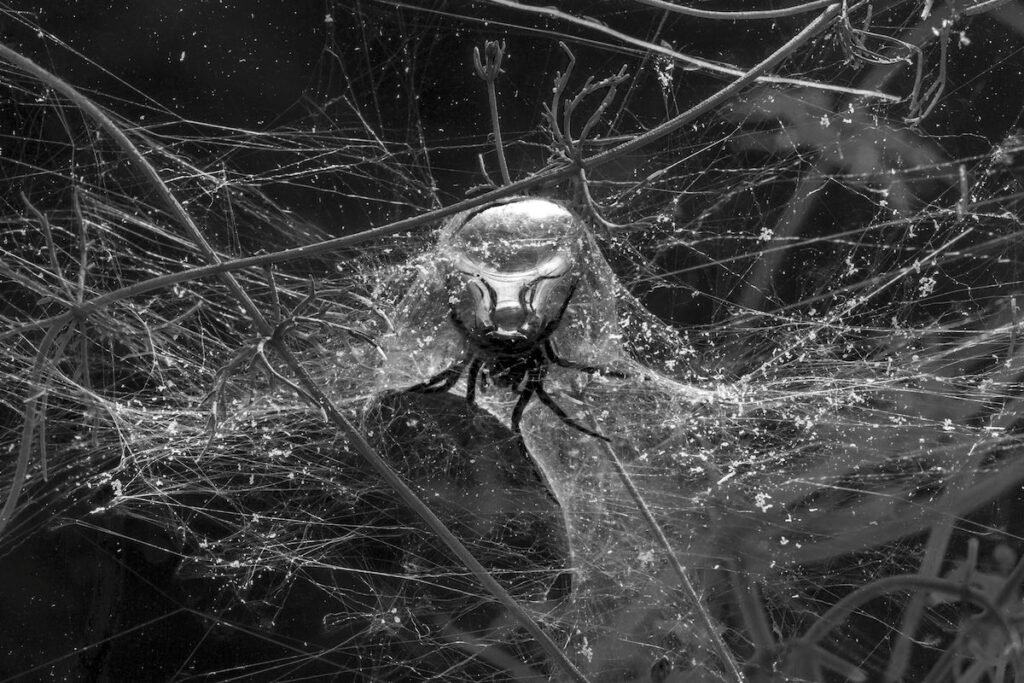
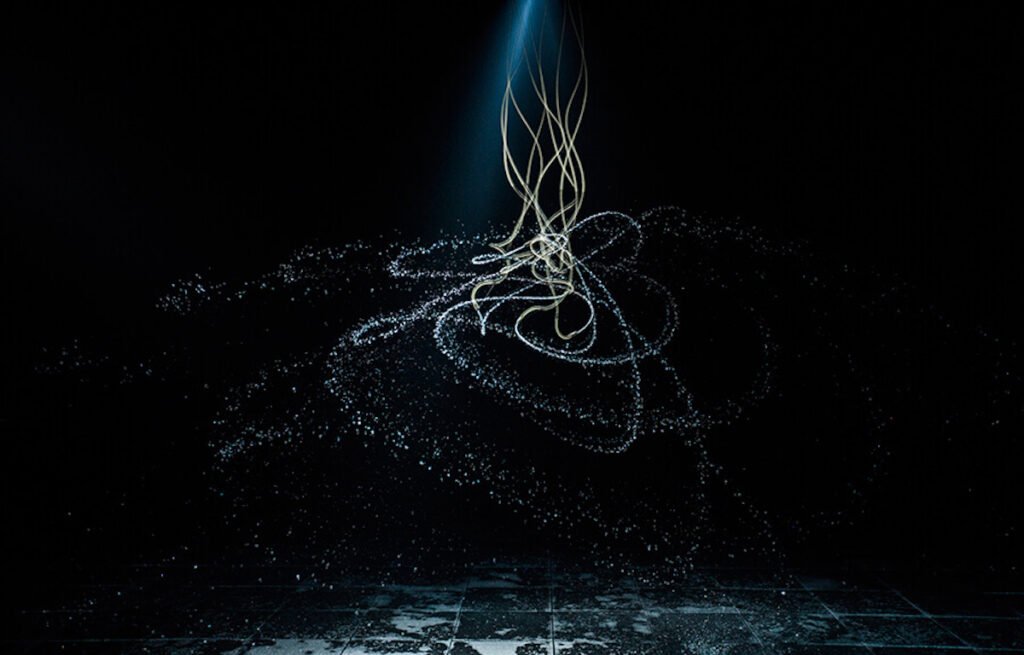
È in questa logica che si inseriscono le mostre che hanno scelto il giardino come interlocutore diretto. Shen Yuan, in Angling (2022–2023), lavora sui temi dell’acqua, della migrazione, della memoria: una finestra inclinata, un pettine, una gabbia, una rete da pesca non descrivono il giardino, lo interrogano come spazio in divenire, mai concluso, mai stabile. Tomás Saraceno, in Complementarities (2024), sposta lo sguardo dalla vegetazione visibile a ciò che nel giardino resta impercettibile: reti di ragnatele, particelle d’aria, relazioni tra specie che nessun disegno può contenere. Non aggiunge una nuova specie al giardino, ma un nuovo modo di misurarne l’invisibile.
Non è un giardino da contemplare. È un luogo in cui inoltrarsi senza orientamento stabile. Più ci si addentra, più lo spazio si rarefà e si intensifica allo stesso tempo. È qui che l’architettura si apre completamente: non come forma, ma come orizzonte condiviso tra umano e non umano, dove il tempo non si misura, ma si accumula. Più che apertura, è profondità: tutto sembra disposto per sottrarre il giardino a ogni presa immediata. Non si guarda il giardino: lo si perde, lentamente. Ciò che è stato disegnato si lascia trapassare da ciò che eccede il disegno. È in questa tensione che il museo si mantiene vivo.
Resta, alla fine, una sensazione più precisa di qualsiasi narrazione: un tempo che non scorre, ma si addensa.
Il rosso, allora, non è un colore. È il punto in cui il tempo prende forma. E, prendendola, si sottrae.
Cover: Red Brick Art Museum – Photo © Yueqi Jazzy Li
-1024x676.jpg)
RED BRICK ART MUSEUM.
A place need not be old to belong to another time. Sometimes it takes no more than a small, almost unfelt break in the rhythm by which we are used to seeing, walking, dwelling. It happens rarely. But when it does, time stops being only the measure of things and becomes a matter the space itself holds, works on, hands back. The Red Brick Art Museum, raised in 2014 on the edge of Beijing, gives exactly this experience. It stands at the heart of a city that will not stop remaking itself and chooses, for that very reason, another pace—not that of nostalgia or utopia, but that of a duration that can be inhabited.
Red as Time. Architectures of Slowness
There is a place, out on Beijing’s spreading edge, where the city does not simply push forward: it halts, bends, changes its step. This is no suspension but a swerve. Among the infrastructure, the embassies, the new quarters that have wiped out the last trace of the fields, the Red Brick Art Museum stands as a sideways gesture — one that offers another measure rather than putting up resistance.
The ground on which the museum stands keeps no visible mark of what it once was. In the north-east of Beijing, in the district of Chaoyang, the very air seems worked by a change that never lets up — building sites, roads that open and close again, temporary hoardings that become permanent. Where fields once ran, and the rough edges of farmland, there is now only levelled ground, crossed by a movement that leaves no residue behind, only replacement.
In this unsteady landscape, the Red Brick Museum acts as a barely-felt shift in rhythm, not a break in it. It does not recover what has been, does not make it visible again. It brings, instead, a zone of slowing, a point where change grows less straight-lined, denser. The light settles differently here; the ground seems to hold something that will not be named. What elsewhere vanishes without a trace goes on here in another shape, never quite the same twice — in the gaps, the passages, the garden. It is less a recognisable memory than a presence spread thin through the place, still at work without ever declaring itself.
Opened in 2014, designed by Dong Yugan, and founded by Yan Shijie and Cao Mei, the museum offers itself as a system to be learned slowly, rather than a building to be walked through. It will not give itself to the eye all at once: you come upon it by shifts, by degrees, by loss. Red here is no matter of appearance. It is a form of duration. The brick takes in the light, holds it, hands it back as time. The walls do not mark a boundary: they slow you down. Every surface seems to carry its own deposit — a memory that will not declare itself, but keeps on insisting.
The architecture builds itself by taking away. Volumes that open and close again, passages that swerve, courtyards that break the line. Nothing here leads straight to anything. Every bearing is provisional. It is as though the space refused a straight path, to become instead a field of unfinished crossings, of journeys broken off before they are done. This is no place that keeps things, nor a setting that lays out the past in some recognisable order. Here, what we call tradition never turns up as an object: it scatters into the fabric of the place, lets itself be taken up by the walkways, comes back to the surface in the slow rhythms of the garden. Even the name — Red Brick Art Museum — does not describe. It holds. Red brick, the primary matter of Dong Yugan’s design, belongs to a memory of building set deep in Chinese history: a poor, enduring stuff, bound up with vernacular dwellings, boundary walls, courtyards, the civil and domestic architectures that gave shape to an idea of space made of shelter, passage, inner thresholds, of fullness and of void. The red of the brick is more than a choice of material. In China, red works its way into the very making of space: it is the colour of walls, of gates, of the thresholds that mark the crossing from inside to outside, from the public to the private. In the traditional architectures — from imperial complexes like the Forbidden City to the courtyard houses of the north — red does not merely dress a surface, it structures: it sets out hierarchies, guides movement, keeps watch. Carried over into brick, this colour drops its ceremonial charge and turns more matte, more of the earth. It does not celebrate. It keeps. It takes in time rather than declaring it. This is a red that does not read at once as symbol, but goes on working as a latent memory, written into the matter itself. It is, then, no neutral surface, but a deposit that turns light into time. In this choice, the museum does not quote tradition: it sets it going again, turning an ordinary material into a way of perceiving. Here, no recognisable distance comes forward to meet you. Nothing is kept safe, nothing is on show, nothing offers itself as a remnant. There is no before that precedes the space: whatever happens comes into being with it.
There is no matter here that bears witness, no trace that stands surety for continuity. What elsewhere gathers into a past scatters here instead, never settling into any fixed shape. It does not lie down in layers: it passes through. It does not build up: it changes.
It is in this condition that the place stops being contemporary in any straight-line sense of the word. Not because it points back to some before, but because it unsteadies every line drawn between what has been and what is happening. What remains is a nearness that will not be pinned down, rather than a distance still to close.
It is a continuity forever changing, not a memory laid down in strata. Time here is not sorted into levels, not offered up to be read: it builds itself as surroundings, as a climate that never lets up — something you do not look at, but go into, without ever quite drawing its edge. Willed into being by the collectors Yan Shijie and Cao Mei, the museum took shape at a moment when culture stopped being a margin and became infrastructure, when production turned toward the work of creation and private individuals began to build institutions of their own. It was born not as accumulation but as an act: to found a place where art, architecture and landscape reset the terms between the contemporary and tradition, in a swing between the built and the grown, between design and growth. What remains is not a trace to interpret but a presence that persists — quiet, oblique, never quite fully to hand. Dong Yugan does not belong to the visible map of global architecture. His work sits elsewhere — far from spectacle, far from any signature — where building is measured in duration, not in image. It is in this remove that his practice takes on a rare exactness: it does not assert, does not represent, but creates the conditions. He works at the margins of what architecture claims for itself. His training, between Tsinghua University and years of teaching and research, comes through not as a recognisable language but as a practice that steers clear of form as assertion. There runs through his work a steady relation with the Chinese spatial tradition — not as a stock of motifs, but as a cast of mind. The garden, the courtyard, the wall are not elements to be quoted, but working principles: ways of building an experience given out through crossings, delays, subtractions. Nothing here is immediate. Nothing is final.
In a setting marked by growth that comes fast and is mostly indifferent to duration, Dong Yugan builds spaces that slow things down rather than resist them. He brings in a minimal density, a quiet kind of resistance. At the Red Brick Museum, his practice never sets itself up as a recognisable signature; it does not build to assert a form, but to bring in a duration. Architecture, here, is no finished gesture: it is a condition that goes on changing with time, marked by light, by growth, by use. There is no inside kept apart from an outside: there is only a continuity in which the distinctions grow faint, are reworked, and are lost.
It is in this flux that the heart of his work is to be found. The volumes offer themselves as fragments in relation, never as sealed units — solids and voids chasing one another without ever quite closing. The space does not guide, does not settle a final direction: it asks the body to slow, to correct itself, to double back on its own steps. The garden too, far from being some decorative extension, falls under this same logic. It does not accompany the architecture. It calls it into question. The growth climbs, invades, reworks what was drawn on paper. The original design is not erased, but written over, again and again, by what runs past its control. It is here that the building opens onto a wider dimension, where the human and the non-human share the one field of action. In this sense, Dong Yugan’s architecture makes conditions for perceiving. It does not lay out space to be seen, but to be lived through, in time. A practice that seeks no final form, but an unsteady duration — something that, even as it is being built, goes on becoming other than itself.
In 2018 the Round Hall filled with fog. This was no image: it was air on the move, light changing direction with every step you took. It was The Unspeakable Openness of Things, the show in which Olafur Eliasson took hold of the eight exhibition spaces and the garden together, treating them as one single organism of perception. Here the work does not stand for a natural phenomenon. It makes one happen. For once, Dong Yugan’s architecture stops being backdrop.
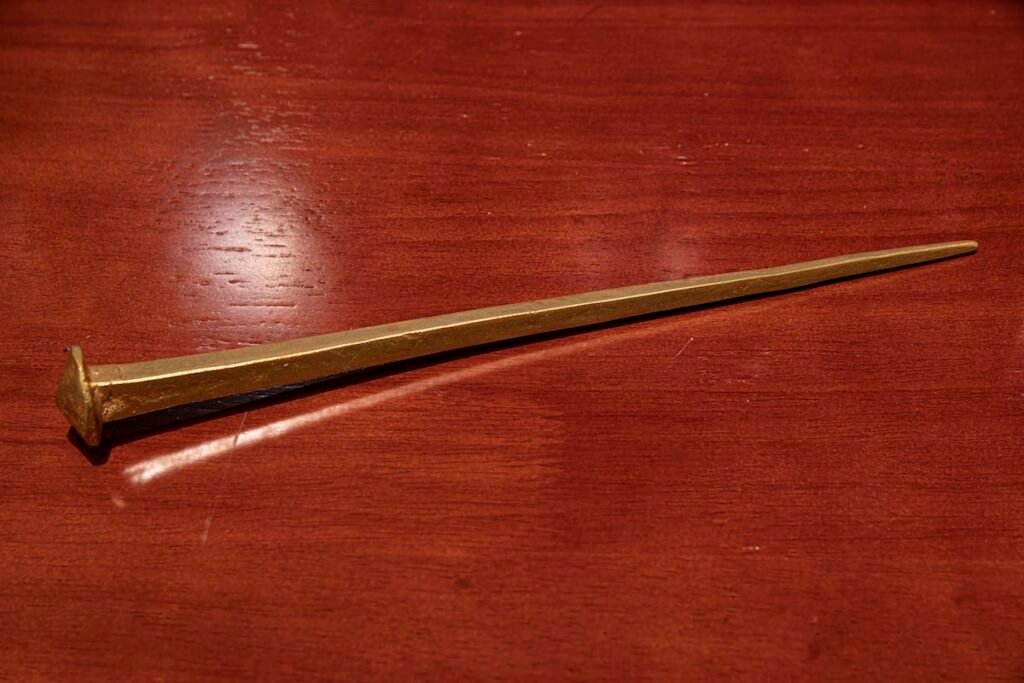
In 2021, with James Lee Byars: The Perfect Moment, perfection enters the museum not as a measure attained, but as an instant on the verge of dissolving. Curated by Yan Shijie, this first retrospective of the artist in China brings together more than fifty works across sculpture, installation, video, performance and archival material, tracing four decades of research. Byars’s absolute forms — the sphere, the circle, the column — enter into relation with the architecture without arresting its movement, pushing it instead toward its own limit. Matter aspires to eternity, while the gesture remains fragile, unrepeatable. Perfection then coincides with what cannot last: an apparition that, even as it takes shape, begins to disappear.
Even when a work reaches past the edges of the place, the dialogue with the museum does not break off. Art Beyond the Kármán Line (2021–2022) takes its name from the agreed border between the earth’s atmosphere and space, and there Xu Bing carries the threshold — that constant element of Chinese architecture — over into a conceptual principle: a rocket christened with the title of his own earlier, historic work, whose fragments, fallen back to earth in the Gobi desert, return to the museum as relics in conversation with the rooms that now hold them. Rocket science and an invented language touch without ever quite fusing, in a balance that will not be settled once and for all.
When a work takes on physical shape — like the suspended webs of Chiharu Shiota, in Silent Emptiness (2025) — it does not occupy the space so much as pass through it. Red threads tearing at an old Tibetan door, rocks from which waves of black thread break out, a disused boat that a tree grows out of: every piece, made site-specific for the museum, draws on materials both Eastern and local in a direct exchange with the architecture, turning the emptiness of Eastern thought into something you can almost touch. It makes that emptiness visible in its own unsteadiness. What comes through is not an image, but a condition: something that holds together only for as long as the act of perceiving lasts.
But it is in the garden that the museum truly draws breath. The garden never offers itself as something you can read at a glance. It is built as open rooms, as sequences that run on like broken episodes, never under one single design. Low pavilions, pierced walls, sheets of water, winding paths lay out the garden by a logic that keeps clear of every head-on view: nothing is arranged to be taken in at once, everything withdraws and reforms itself as you move. The planting keeps to the same rule. It is not ordered by species, but by condition. Trees that stand up to dry winters and hot summers — maples, pines, ginkgo — mix in with self-sown shrubs, bamboo, grasses that grow up at the margins and, slowly, take over.
The plants are not decoration. They were chosen to make time happen in the garden: they build density, throw shade, redraw the paths. Some stay low; others climb past the reach of the first design, keeping the landscape in constant flux. Between stone, water and earth, the garden goes on changing with the years. Surfaces wear, leaves fall, colours shift with the seasons. Nothing here closes once for all. Even what looks built and fixed — the fountains, the walkways, the thresholds — is worked over, little by little, by what grows, spreads, runs past its bounds.
It is within this same logic that the shows which have taken the garden as a direct partner belong. Shen Yuan, in Angling (2022–2023), works the themes of water, of migration, of memory: a tilted window, a comb, a cage, a fishing net — none of these describe the garden, they put it to the question as a space still becoming, never finished, never settled. Tomás Saraceno, in Complementarities (2024), turns the eye away from the visible planting toward what in the garden stays past noticing: webs of spider-silk, particles of air, relations among species that no drawing could ever hold. He adds no new species to the garden, only a new way of taking the measure of what cannot be seen there.
This is no garden made for contemplation. It is a place to go into without any settled bearing. The further in you go, the more the space thins out and thickens at once. It is here that the architecture opens right up — not as form, but as a horizon shared between the human and the non-human, where time is not measured but builds up. More than openness, it is depth: everything here seems set to keep the garden from any easy grasp. You do not look at this garden: you lose it, slowly. What was drawn lets itself be pierced through by what runs past the drawing. It is in this tension that the museum stays alive.
What is left, in the end, is a feeling more exact than any story could be: a time that does not flow, but thickens.
Red, then, is no colour. It is the point where time takes on a shape. And, in the taking, slips away.
-1024x768.jpg)