English text below —
Nel tempo dell’altro è una rubrica che attraversa le presenze dell’arte contemporanea nei musei storici, archeologici, universitari. Luoghi dove il tempo si stratifica e l’opera agisce come incontro, attrito o apparizione. Qui si raccontano innesti e interferenze, ascoltando ciò che resta, ciò che torna, e il silenzio che li separa.
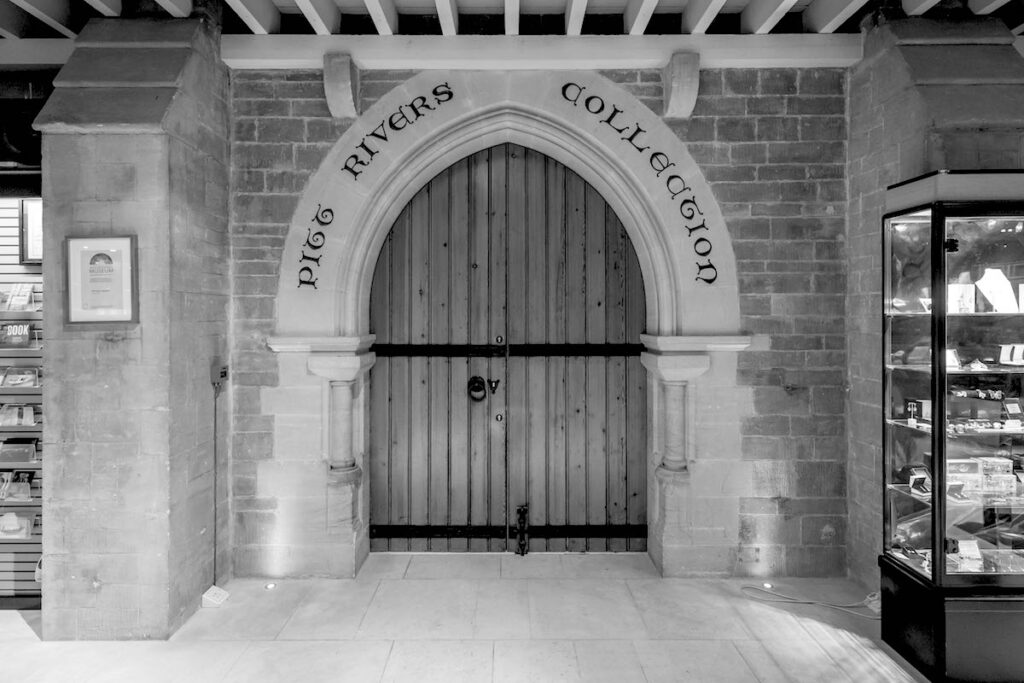
Il museo che disimpara. Pitt Rivers Museum Oxford
I. Il museo come macchina ottocentesca
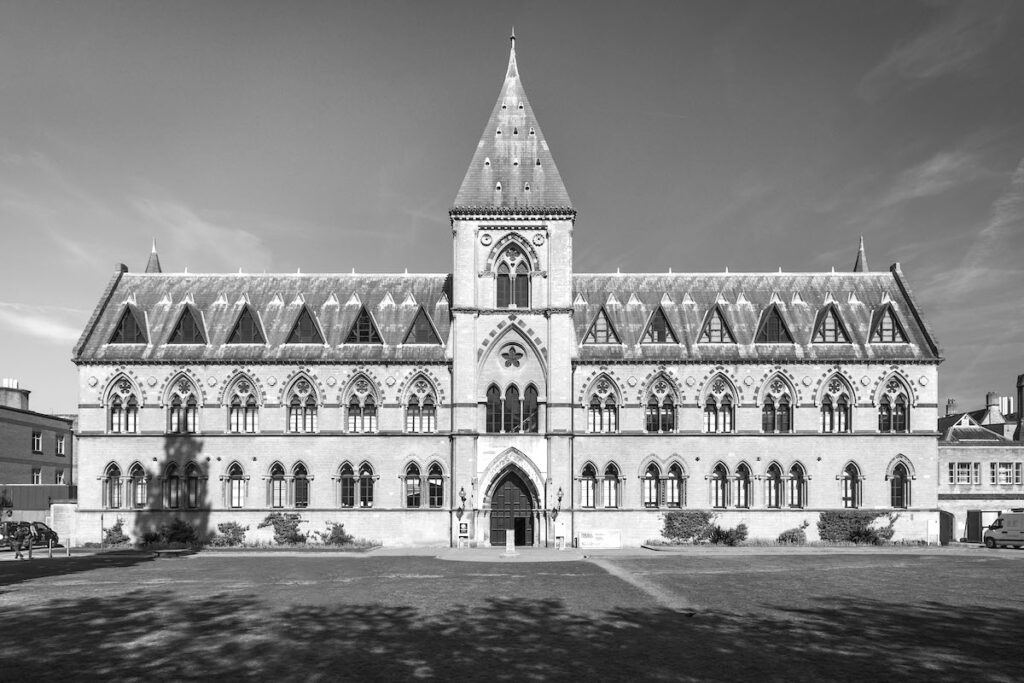
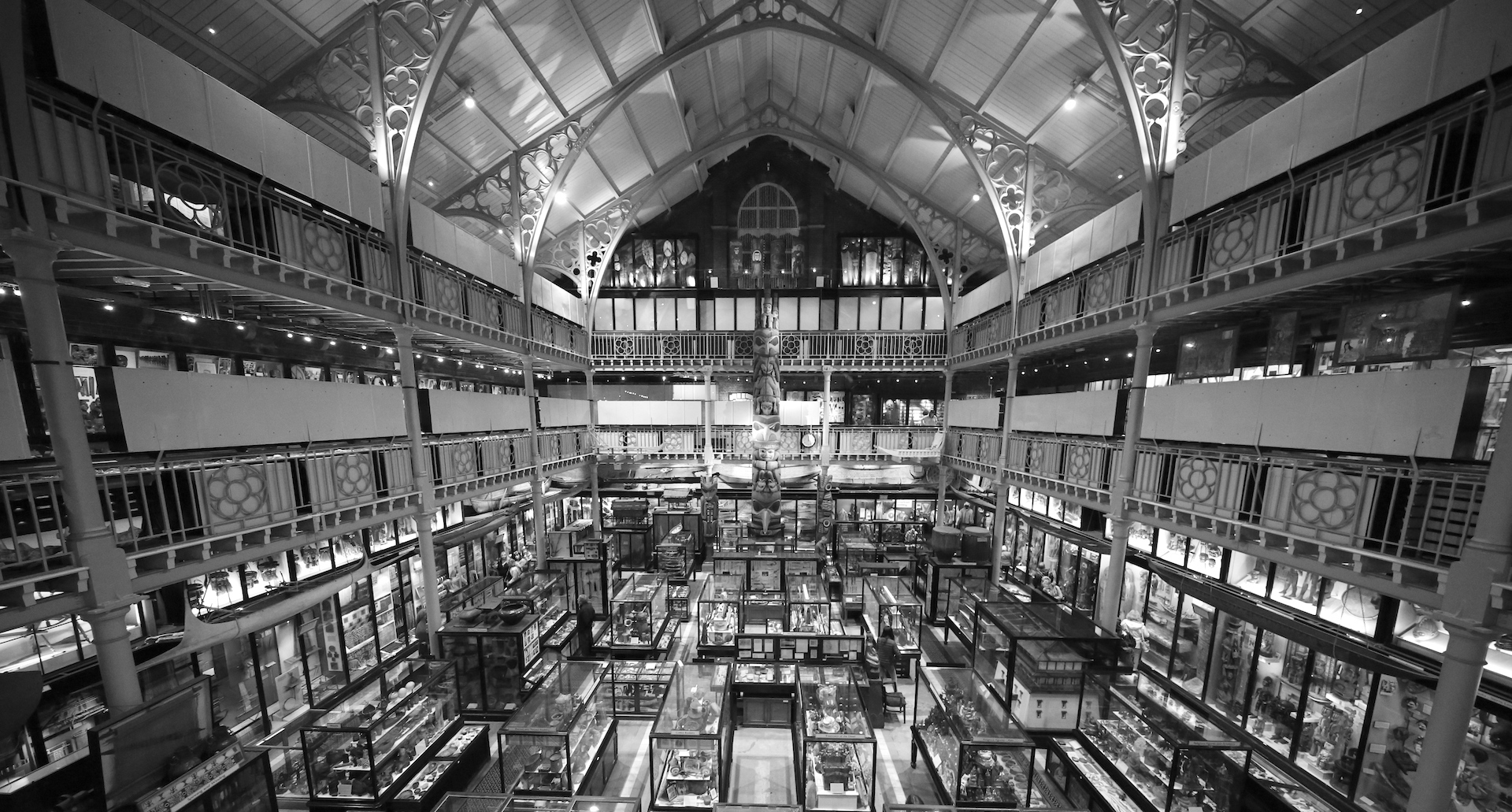
A nord-est di Londra, nella città universitaria di Oxford, il Pitt Rivers Museum non si impone come monumento, ma come continuità. Prima di raggiungerlo si passa attraverso l’University Museum of Natural History — inaugurato nel 1860, manifesto del positivismo vittoriano — con i suoi archi neogotici in ferro, le colonne in ghisa ornate di motivi botanici, la luce zenitale che scende dalle grandi superfici vetrate. Qui, la tassonomia naturale diventa spazio, la fiducia nell’ordine delle specie si fa materia e luce, mentre la classificazione è uno strumento di conoscenza.
Il Pitt Rivers si innesta in questo edificio come un’ombra laterale. Fondato nel 1884 grazie alla donazione del generale Augustus Henry Lane Fox Pitt Rivers, ufficiale dell’esercito britannico e studioso di cultura materiale, il museo nasce con un intento preciso: mostrare l’evoluzione delle società umane attraverso la comparazione degli oggetti. Non raccontare culture, ma costruire sequenze. Non restituire contesti, ma allineare forme.
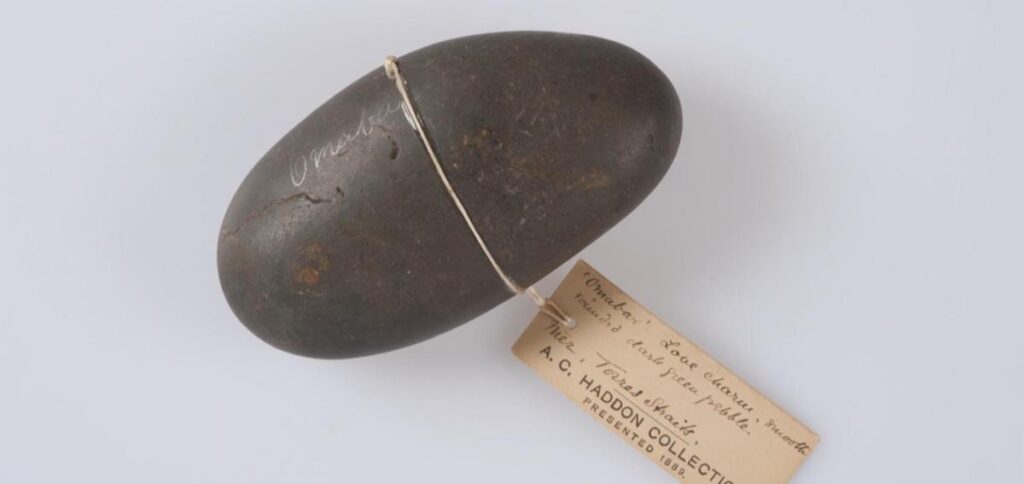
La collezione iniziale — oltre ventimila manufatti — viene organizzata secondo un principio allora innovativo: la classificazione tipologica. Gli oggetti non sono disposti per provenienza geografica, ma per funzione. Armi accanto ad armi, strumenti accanto a strumenti, contenitori accanto a contenitori. Pitt Rivers lo dichiarava senza ambiguità: “The only way to arrive at a knowledge of the past is by comparison.” La comparazione non era un metodo tra altri, ma la condizione stessa della conoscenza.
In questa scelta si manifesta una visione del mondo. Il XIX secolo europeo, attraversato dall’espansione coloniale e dall’evoluzionismo darwiniano, legge la storia umana come progresso lineare. Le culture appaiono come stadi differenti di uno sviluppo comune. La tipologia si presenta come neutrale, ma inscrive le differenze in una sequenza implicita.
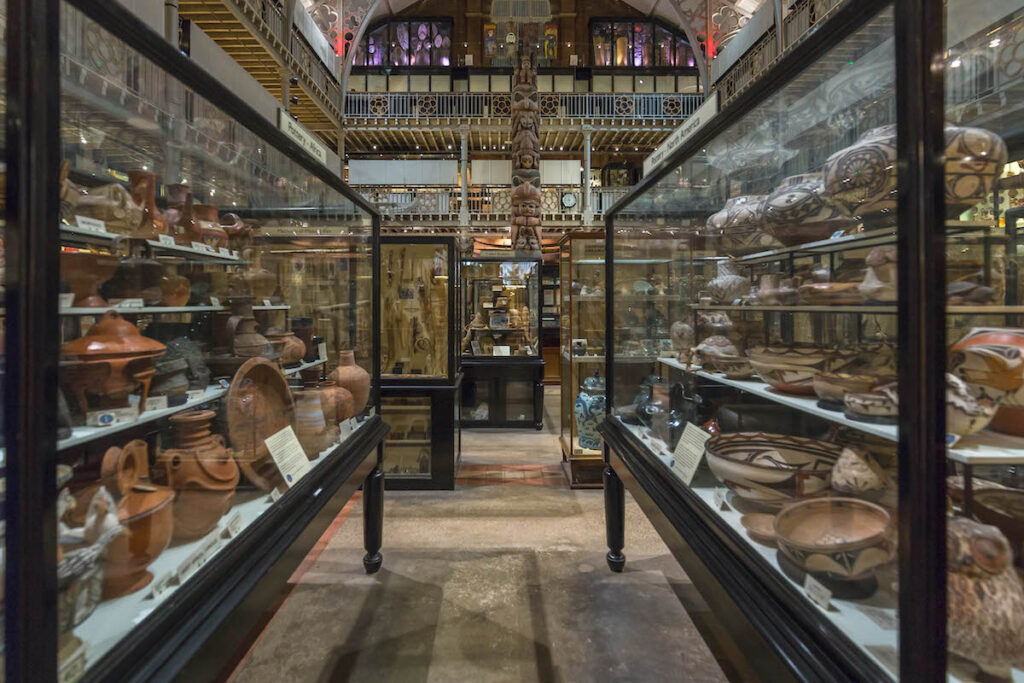
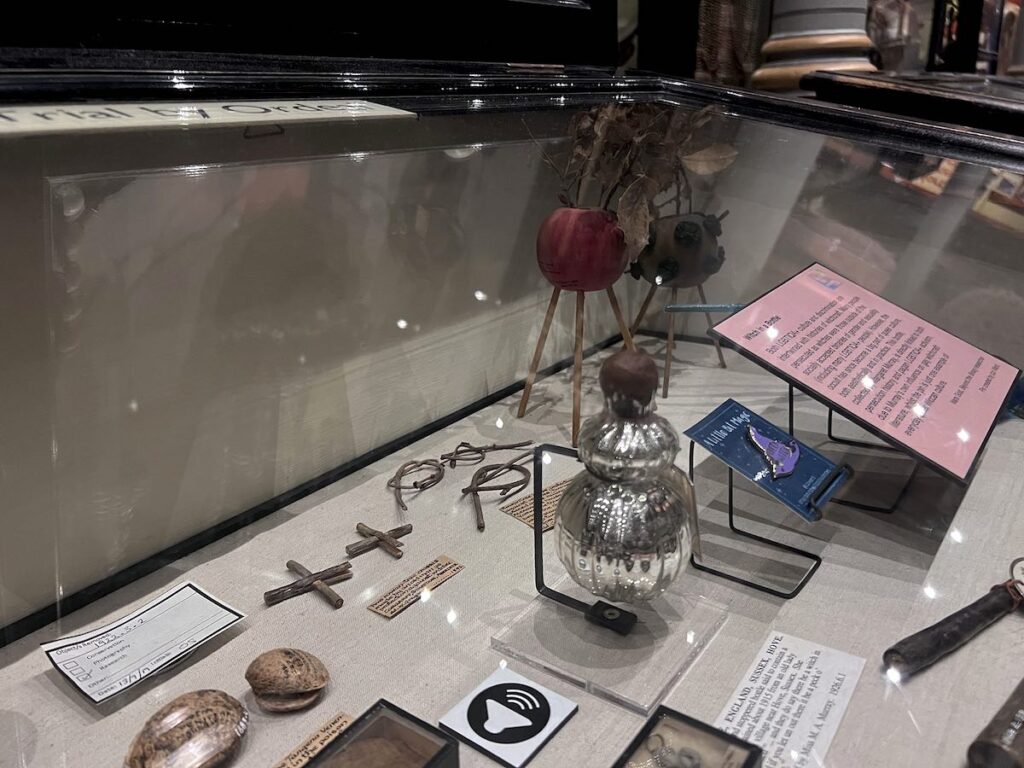
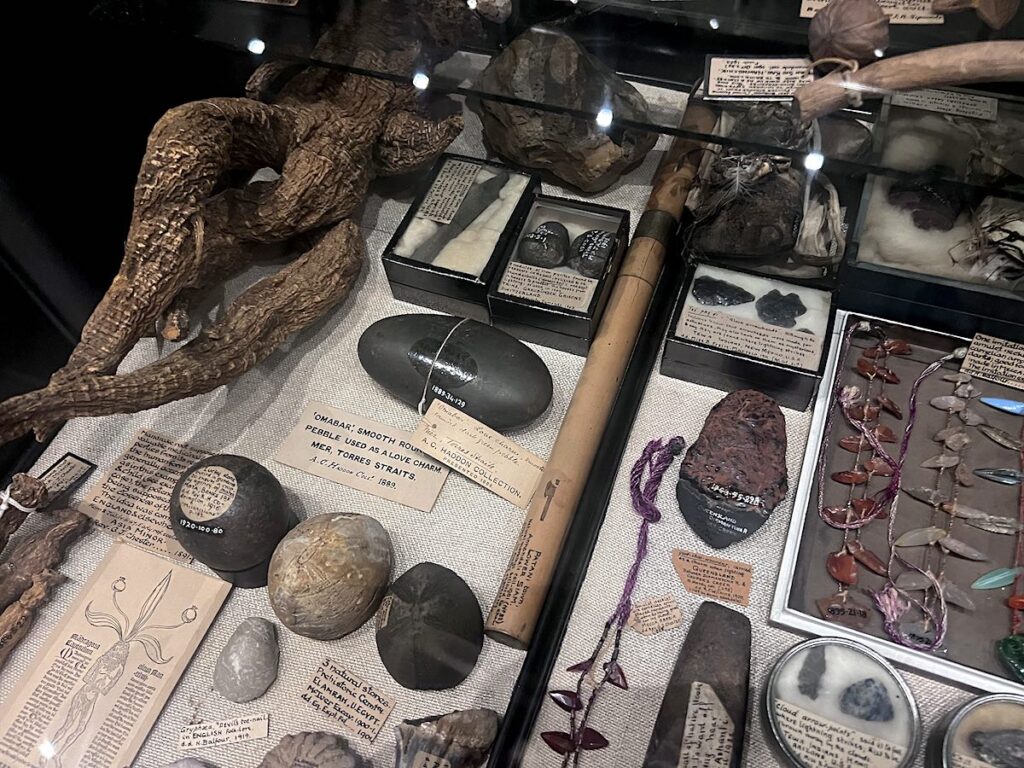
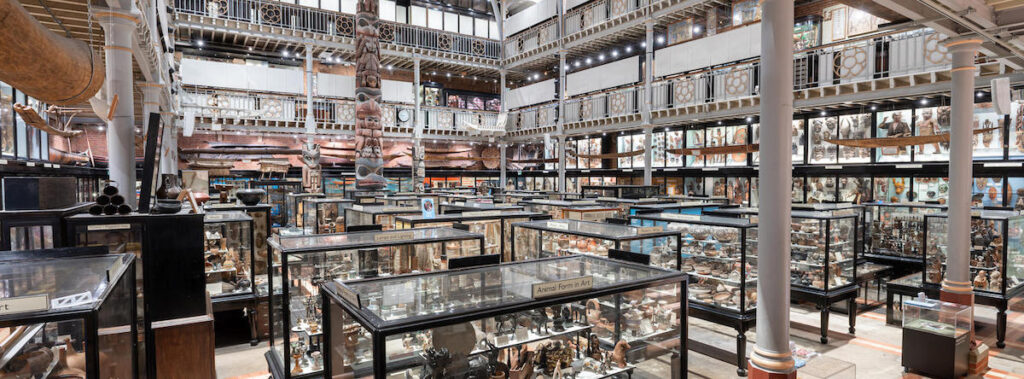
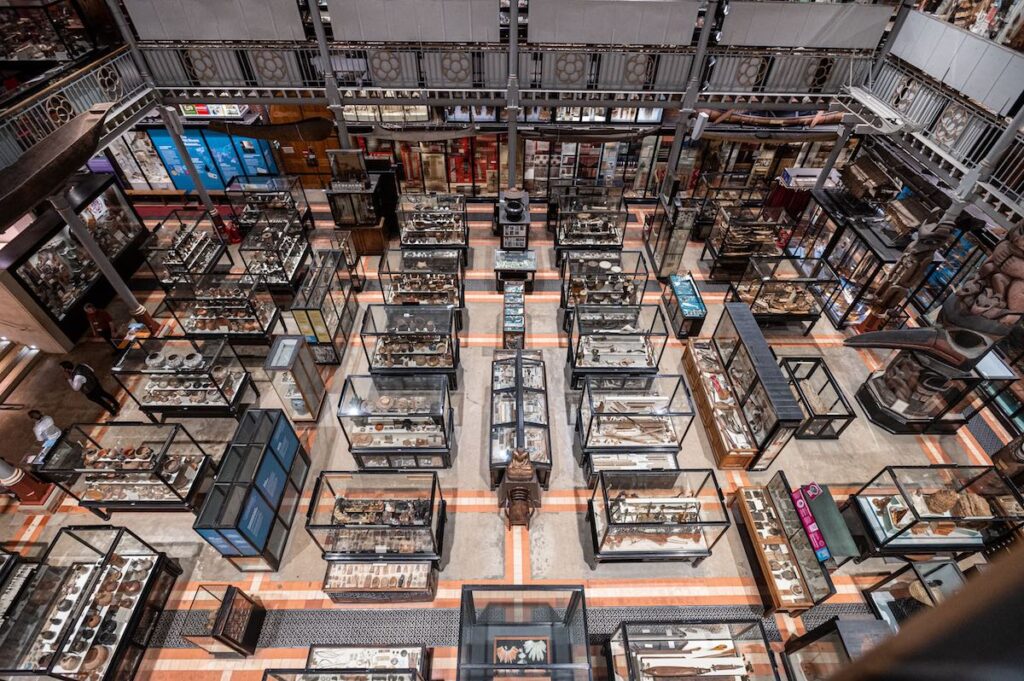
L’architettura interna traduce questa epistemologia. Gallerie in legno scuro, ballatoi sovrapposti, techefitte fino alla saturazione. La luce è attenuata. L’oggetto non è isolato come capolavoro, ma immerso in una costellazione di somiglianze. Il visitatore non segue una narrazione: attraversa una griglia.
Questo dispositivo è il cuore del museo. Ogni manufatto è sottratto al proprio contesto rituale o territoriale per essere reinserito in una serie comparativa. Diventa campione, variante, esempio. Oxford, città di biblioteche e cataloghi, è il luogo ideale per questo dispositivo. Qui la conoscenza si costruisce per archiviazione. Il Pitt Rivers ne è la versione visiva, ma l’oggettività che promette nasce da un gesto preciso: l’estrazione. Estrarre per rendere comparabile.
Nel corso del Novecento il museo cresce, ma conserva la propria struttura originaria. Mentre altri musei antropologici riorganizzano le collezioni per aree culturali, il Pitt Rivers mantiene la densità ottocentesca. Questa continuità lo rende oggi quasi anacronistico — e proprio per questo rivelatore. Entrare nelle sue sale significa fare esperienza di un tempo sistematico. Un tempo che dispone anziché raccontare. Che confronta anziché ascoltare. In questa coerenza si rende visibile ciò che altrove è stato attenuato: l’impalcatura epistemica del colonialismo britannico. Non attraverso dichiarazioni, ma attraverso la forma stessa del display. Molti oggetti provengono da territori segnati dall’espansione imperiale; molti sono stati acquisiti in condizioni di asimmetria. La classificazione, pur non dichiarando gerarchie, le suggerisce.
Il museo come macchina ottocentesca non è solo un edificio. È un sistema di sguardo.
Un sistema che presuppone che comprendere significhi ordinare. Che conoscere significhi confrontare. Che la forma possa essere separata dal contesto senza perdita. Questa presunzione ha retto per oltre un secolo. Ma ogni macchina porta in sé la possibilità della propria incrinatura.
E qui comincia il disapprendimento.
II. La crisi del dispositivo
Ogni sistema di conoscenza, se esposto al tempo, finisce per mostrare le proprie cuciture. Il Pitt Rivers, proprio grazie alla persistenza della sua impalcatura ottocentesca, ha reso visibile ciò che altrove si è dissolto in riallestimenti successivi: la struttura coloniale del sapere.
Per oltre un secolo la classificazione per funzione è stata percepita come metodo scientifico. Solo negli ultimi decenni quella neutralità apparente è stata interrogata. Non soltanto l’origine degli oggetti, ma il principio stesso che li tiene insieme è entrato in questione. Cosa significa affiancare manufatti provenienti da mondi culturali radicalmente differenti come se fossero varianti di una medesima funzione universale? Quale idea di umanità è implicita in questa operazione?
La crisi è stata progressiva. Studiosi, studenti, comunità di origine hanno sollevato interrogativi sulla provenienza delle collezioni, sulle modalità di acquisizione, sulla presenza di resti umani esposti come campioni. La rimozione delle tsantsa — le teste ridotte amazzoniche — ha segnato un passaggio decisivo. Non si è trattato solo di togliere un oggetto dalla vista, ma di riconoscere che la modalità di esposizione produceva uno sguardo violento.
Rimuovere ha significato ammettere che l’esposizione non è neutrale. Che la teca può conservare e, insieme, silenziare.
Parallelamente sono state avviate revisioni delle etichette, collaborazioni con comunità indigene, processi di restituzione narrativa. La voce istituzionale si è fatta meno assertiva, più dialogica. E tuttavia il nodo più delicato è rimasto intatto: la tipologia. Le didascalie possono cambiare. Gli oggetti possono essere sottratti. Ma la disposizione per funzione continua a strutturare lo spazio. Il visitatore attraversa ancora un impianto comparativo. La macchina non è stata smantellata.
È proprio questa coesistenza tra revisione critica e persistenza strutturale a rendere il Pitt Rivers un caso emblematico. Non ha scelto la tabula rasa. Ha mantenuto la propria forma, accettando di esporla come problema. La decolonizzazione, qui, non coincide soltanto con la restituzione materiale, ma con l’interrogazione del dispositivo. La colonialità non è solo nell’origine degli oggetti, ma nel modo in cui sono stati resi leggibili.
Disimparare significa sospendere l’automatismo della comparazione.
Il museo si trova così in una posizione singolare: custodisce una delle più integre architetture museali ottocentesche e, al tempo stesso, è costretto a confrontarsi con le implicazioni etiche di quella stessa architettura. Non può trasformarsi radicalmente senza smarrire la propria identità, ma non può nemmeno restare immobile senza eludere il presente.
La crisi non è distruzione, ma esposizione.
La penombra delle gallerie è la stessa. Le teche sono ancora fitte. Ma lo sguardo che le attraversa non è più quello vittoriano. Porta con sé domande su colonialismo, restituzione, rappresentazione.
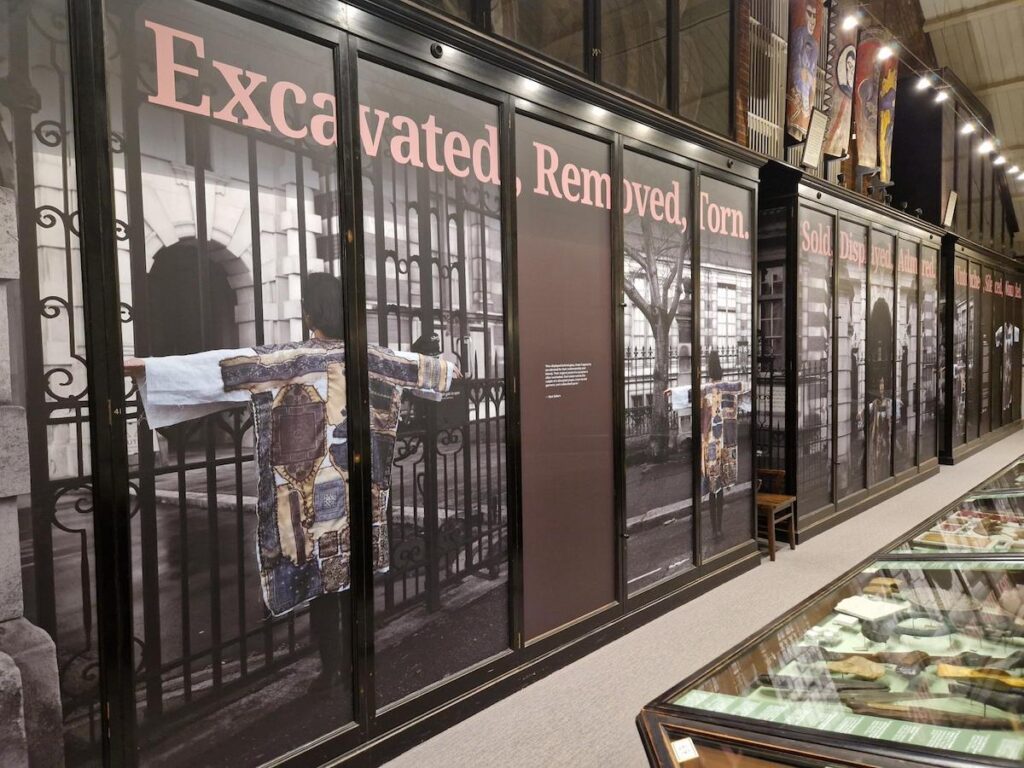
In questo spazio si apre la possibilità di un gesto interno. Non la demolizione del sistema, ma la sua incrinatura. Nel 2025, con Suturing Wounds, l’artista egiziana Sara Sallam inserisce nelle teche fotografie coloniali ricamate, suturate, attraversate dal filo. La ferita diventa visibile dentro la serialità comparativa. Il gesto è minimo e radicale insieme. Non sospende l’impianto. La espone alla propria vulnerabilità.
La griglia e la cicatrice convivono. Non tutti gli innesti si vedono. Alcuni non aggiungono oggetti, ma modificano l’aria.
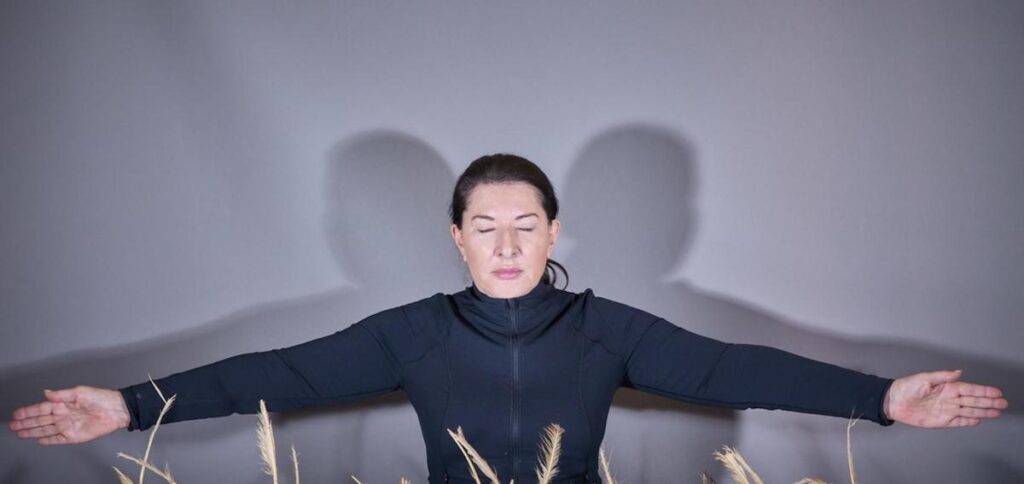
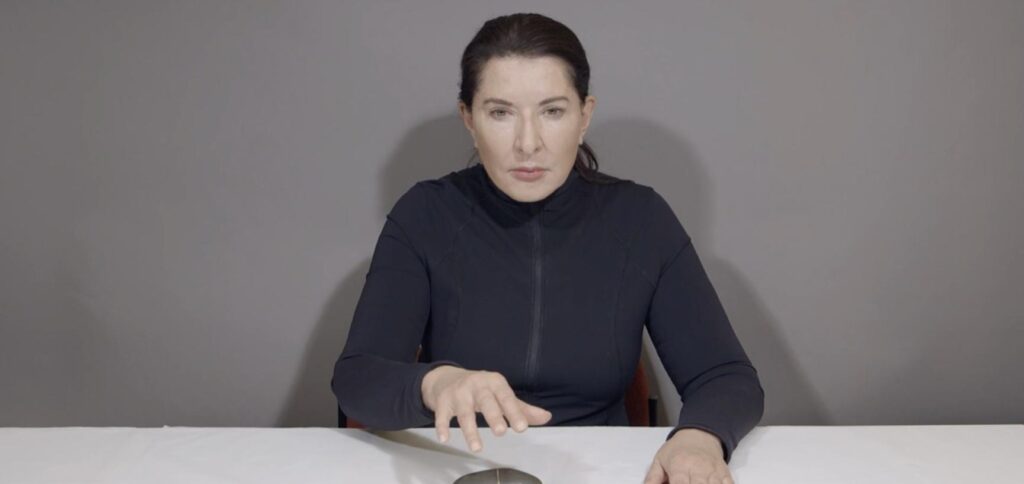
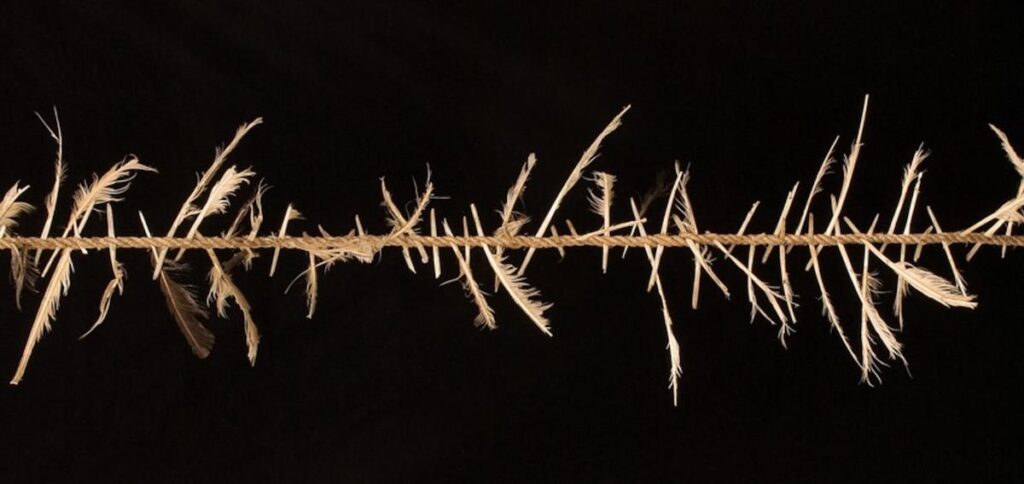
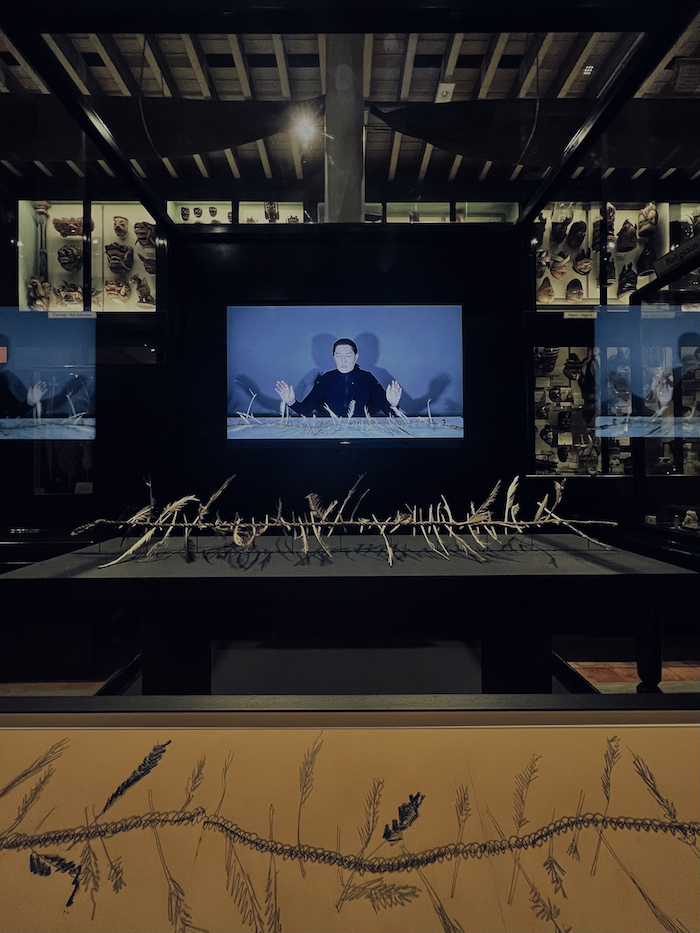
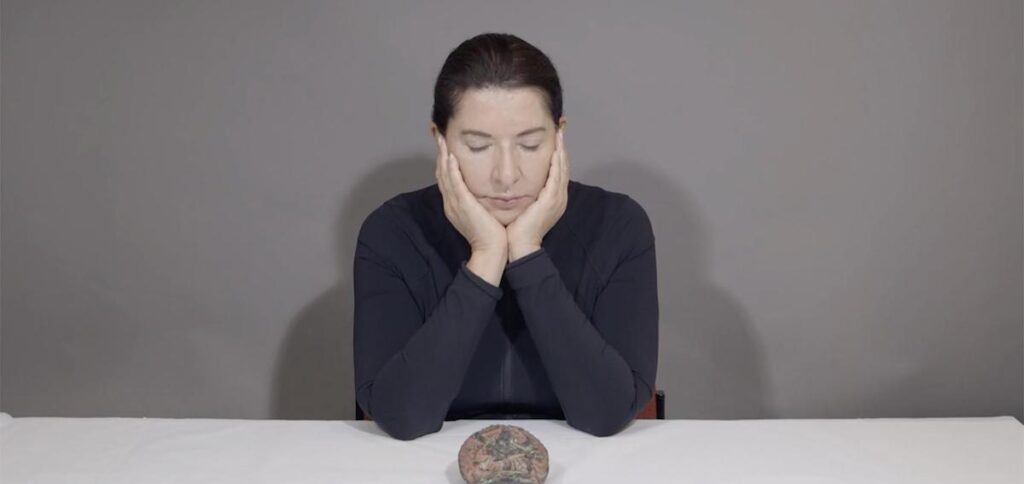
Prima ancora, nell’estate del 2021 Marina Abramović entra nel Pitt Rivers Museum non come artista invitata a esporre, ma come corpo che ascolta. Vi trascorre un mese in residenza, leggendo, disegnando, filmando. Cammina tra le teche fitte, tra le armi allineate e i talismani classificati, e compie un gesto che rovescia silenziosamente la logica comparativa: non sceglie gli oggetti, lascia che siano gli oggetti a sceglierla. “They chose me”, dirà.
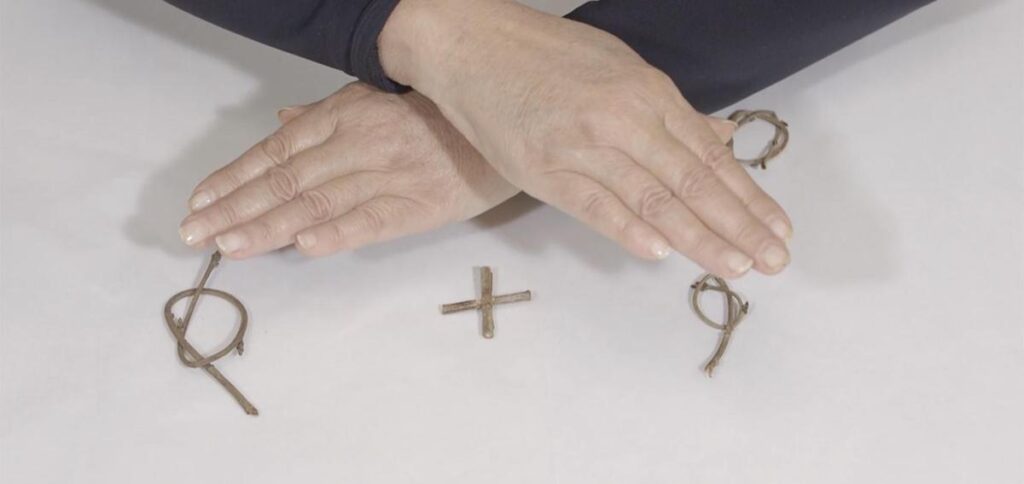
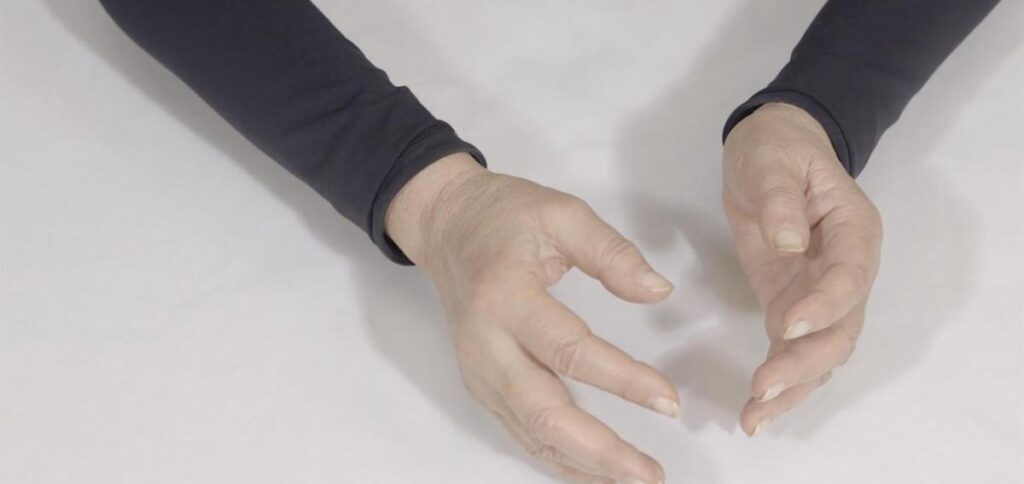
In un museo nato per ordinare le forme secondo funzione, Abramović introduce un altro criterio: l’energia. Non la tipologia, ma l’aura. Non la sequenza, ma la vibrazione. Si avvicina a oggetti legati a stati di trasformazione — strumenti magici, artefatti rituali, soglie simboliche — e li tratta non come campioni, ma come presenze. Le mani sospese sopra di essi, talvolta senza toccarli, come a trattenere un vuoto pieno, fanno emergere ciò che la teca non può contenere.
La sua ricerca confluisce in Gates and Portals, ma prima ancora di diventare installazione, è un attraversamento. La nozione di “portal”, che in una conversazione con Clare Harris viene accostata al mandala tibetano e alle architetture concentriche della coscienza, entra in risonanza con il museo stesso. Se la tipologia ottocentesca è una griglia che allinea, il portale è una soglia che trasforma.
Abramović parla di offerta di lavoro, di ripetizione, di svuotamento. Di un corpo che si disciplina fino a farsi passaggio. In questo senso il suo intervento non decostruisce il dispositivo museale: lo mette alla prova. Introduce nella macchina comparativa un principio immateriale. Dove il Pitt Rivers dispone oggetti come varianti funzionali, lei insiste sulla possibilità che ogni oggetto sia un campo energetico. Il museo nasce per rendere visibile l’evoluzione delle forme. Abramović vi cerca ciò che non evolve, ma permane: la traccia di una trasformazione interiore, il residuo di un gesto rituale, l’intensità che sopravvive alla sottrazione del contesto. Se la decolonizzazione ha reso visibile la struttura, la sua presenza rende percepibile l’invisibile. Non è una rottura spettacolare. È uno scarto minimo. Una vibrazione nella penombra. E forse è anche questo un modo di disimparare: sospendere per un istante la comparazione e restare in ascolto di ciò che, pur classificato, continua a eccedere ogni categoria.
E il disapprendimento non è più soltanto teorico. Diventa esperienza.
III. L’innesto: Hawai‘i Ma uka to Ma kai
Quando Hawai‘i Ma uka to Ma kai: Quilting the Hawaiian Landscape si innesta nel Pitt Rivers Museum, il terreno è già incrinato. La macchina comparativa non è stata smantellata, ma resa visibile. Dopo la rimozione delle tsantsa, dopo la revisione delle etichette, dopo la sutura silenziosa di Suturing Wounds, il museo non può più fingere neutralità. La struttura resta, ma non è più innocente.
È in questo spazio di consapevolezza che l’intervento hawaiano prende forma.
Curato da Marenka Thompson-Odlum, il progetto non si presenta come mostra autonoma, né come parentesi esotica. Si distribuisce nel percorso permanente, insinuandosi tra le teche ottocentesche, in dialogo diretto con gli oggetti hawaiani già conservati in collezione. Non è allestito “accanto” al museo: ne attraversa l’ossatura.
Il principio che lo struttura è l’ahupua‘a, sistema tradizionale di organizzazione territoriale che connette la montagna (ma uka) al mare (ma kai) in una continuità ecologica e spirituale. Non una partizione funzionale dello spazio, ma un’unità che integra risorse, genealogie, ritualità. Il paesaggio è relazione; il tempo è ciclo.
Tradurre l’ahupua‘a dentro un museo tipologico significa introdurre una grammatica che non procede per astrazione ma per legame. Dove la tipologia isola la funzione per renderla comparabile, l’ahupua‘a reinscrive l’oggetto nella trama del territorio.
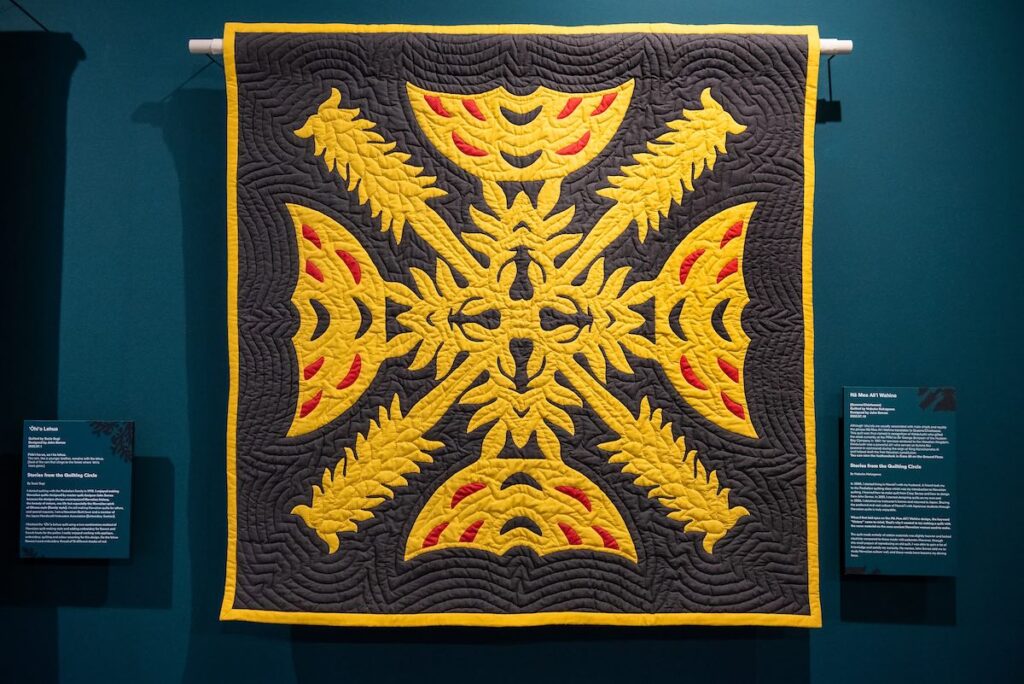
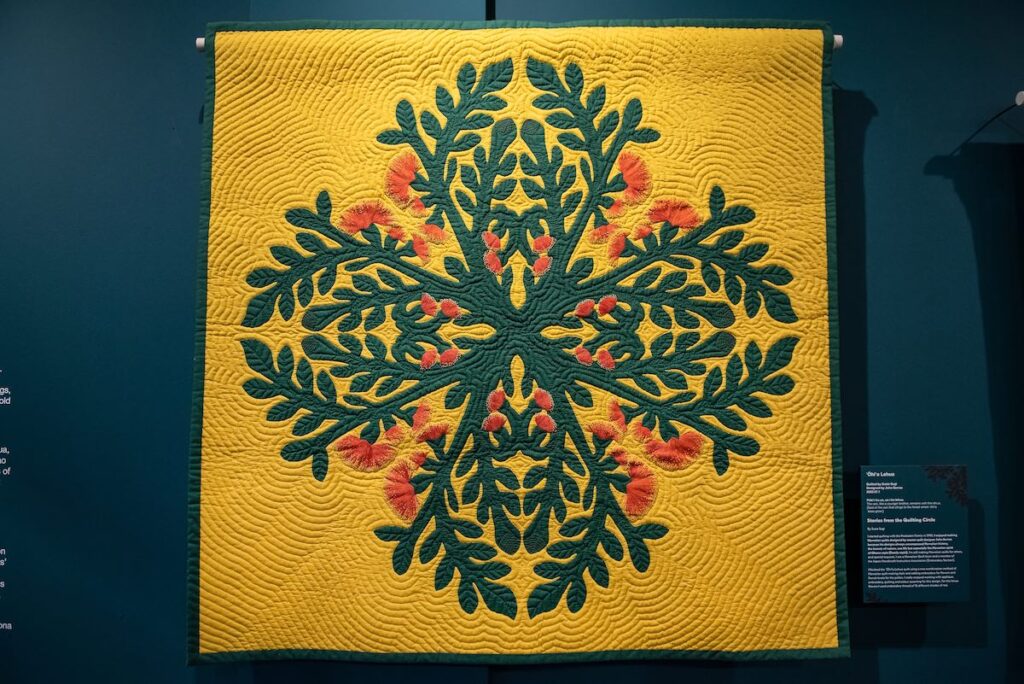
I quindici quilt commissionati ai Poakalani Quilters, collettivo fondato a Honolulu nel 1972 da John e Althea Poakalani Serrao, non sono presentati come opere temporanee: entrano a far parte della collezione permanente del museo. Questa acquisizione non è un dettaglio amministrativo, ma un gesto istituzionale. La permanenza modifica l’archivio. Ogni quilt è concepito come mappa simbolica di un territorio specifico delle isole hawaiane. Le forme vegetali e marine non decorano: orientano. Sono tracce di ecosistemi, flussi d’acqua, memorie genealogiche. Nel contesto del Pitt Rivers, questi lavori resistono alla riduzione funzionale. Non possono essere assimilati alla categoria di “tessili” senza perdere la loro natura relazionale. La loro presenza sospende l’automatismo comparativo.
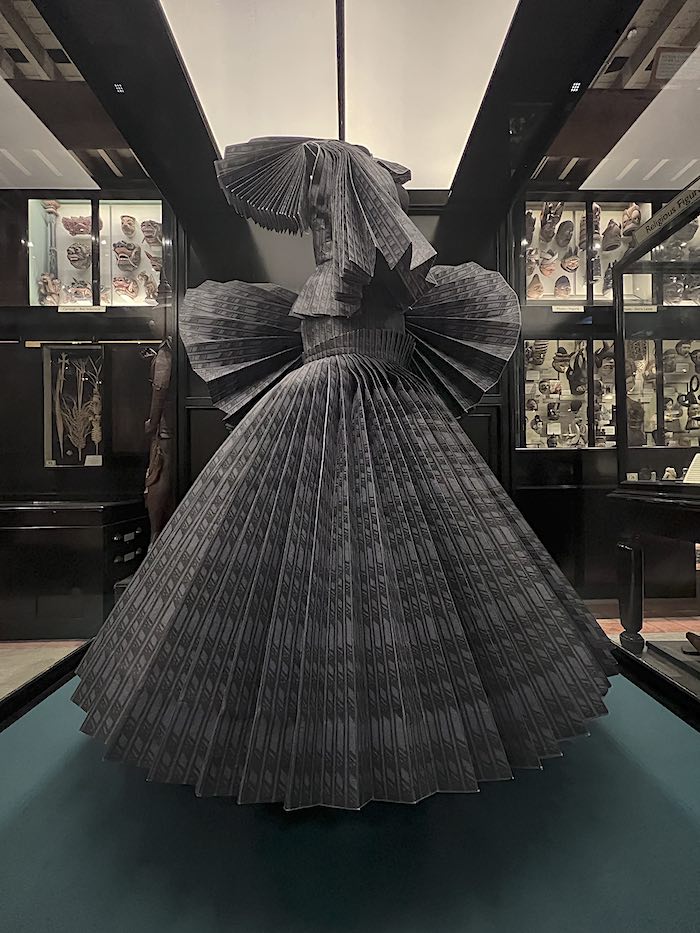
Accanto ai quilt, l’abito Hulu Nēnē del designer hawaiano Manaola Yap introduce una dimensione contemporanea che intreccia moda, identità e resilienza culturale. Ispirato all’uccello nēnē — specie endemica delle isole — l’abito è esposto come oggetto, ma suggerisce movimento. In uno spazio costruito per immobilizzare, implica corpo.
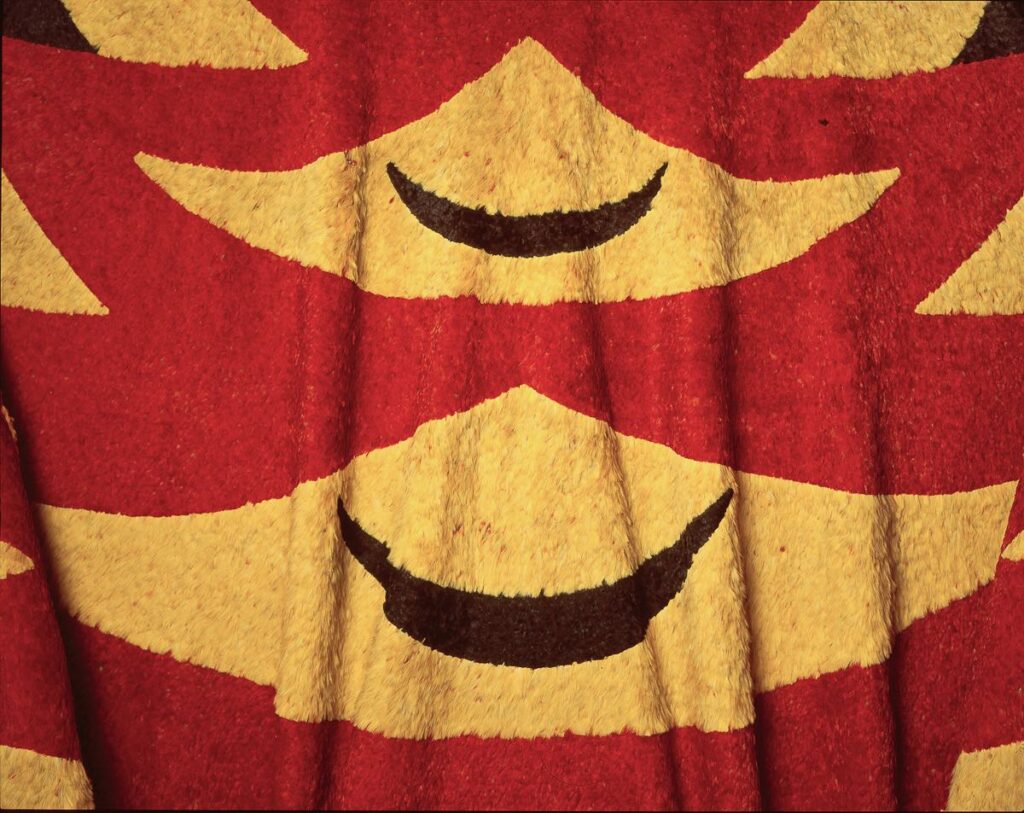
Il progetto Stories around a Feather Cloak interviene su un ahu‘ula già custodito nelle collezioni storiche del museo. Attraverso contributi audio di studiosi e praticanti culturali hawaiani, il mantello viene restituito a una rete di significati che la classificazione tecnica non può contenere. Il dispositivo sonoro altera la percezione dello spazio: la teca non è più soltanto superficie visiva, ma punto di ascolto. L’oggetto, che nella tipologia era campione, torna a essere genealogia.
Anche la collaborazione con la London School of Hula and ‘Ori introduce nel museo una temporalità incarnata. Performance e workshop non sono eventi accessori, ma estensioni del progetto. Il gesto coreografico riporta nel display la dimensione del corpo, del respiro, del ritmo. Il museo, nato per allineare, viene attraversato da un tempo che non si lascia allineare.
Questi interventi non dissolvono la macchina ottocentesca. Le gallerie restano dense, la penombra invariata, la griglia ancora leggibile. Ma il senso si sposta. Il visitatore percepisce la coesistenza di due logiche: l’oggetto come campione e l’oggetto come relazione; la funzione e il territorio; la sequenza e il legame. Dopo la sutura dell’archivio, qui avviene un passaggio ulteriore: non più soltanto la ferita resa visibile, ma l’introduzione concreta di un’altra struttura di senso.
L’ahupua‘a non abbellisce la collezione. Ne incrina l’universalità implicita. È in questa incrinatura — permanente, istituzionale, incarnata — che il disapprendimento prende corpo.
IV. Disimparare: il museo come spazio plurale
Disimparare non è un gesto spettacolare. È un movimento interno, quasi impercettibile, che agisce sulle abitudini dello sguardo. Non coincide con la demolizione dell’eredità ottocentesca, ma con la capacità di abitarla senza esserne interamente determinati. Al Pitt Rivers la classificazione tipologica resta leggibile. Le teche fitte, la penombra, la sovrapposizione dei ballatoi continuano a disegnare una densità che non è stata alleggerita. Ma ciò che cambia è la consapevolezza di questa forma. L’ordine non appare più naturale: si mostra come costruzione storica, come scelta situata.
È qui che si apre lo spazio plurale. L’innesto di Hawai‘i Ma uka to Ma kai non sostituisce la tipologia; la attraversa. La logica dell’ahupua‘a, con la sua continuità tra montagna e mare, non cancella la logica comparativa, ma la mette in tensione. Ogni quilt reinscrive l’oggetto in una rete ecologica e genealogica che eccede la funzione. Ogni gesto performativo riporta nel museo un tempo incarnato, non lineare.
Non si tratta di risolvere il conflitto tra sistemi, ma di renderlo abitabile.
Il museo diventa così luogo di negoziazione tra epistemologie differenti. Non custodisce soltanto oggetti, ma modalità di relazione. La comparazione non scompare, ma non è più automatica. È esposta, interrogabile. In questo senso, disimparare significa accettare che nessun ordine sia definitivo. Che ogni classificazione sia parziale. Che il sapere museale non sia autosufficiente, ma aperto alla revisione.
Il Pitt Rivers rimane riconoscibile nella sua architettura ottocentesca. Ma oggi quella architettura non è soltanto eredità, diventa materia critica. Tra legno scuro e teche affollate, la macchina continua a funzionare — ma non più in solitudine. Al suo interno circolano altre temporalità, altre geografie, altre voci.
Non si tratta di abolire il sapere, ma di liberarlo dall’obbligo dell’ordine, restituendolo alla relazione.
The Museum That Unlearns. Pitt Rivers Museum, Oxford
Text by Rita Selvaggio —
I. The Museum as a Nineteenth-Century Machine
North-east of London, in the university city of Oxford, the Pitt Rivers Museum does not stand as a monument. It operates as a continuation. To reach it, one passes through the University Museum of Natural History — opened in 1860, a manifesto of Victorian positivism — with its neo-Gothic iron arches, cast-iron columns veined with botanical ornament, and the cool zenithal light descending through vast panes of glass. Here taxonomy becomes architecture. Faith in the order of species takes material form. Classification is not decoration; it is method made space.
The Pitt Rivers attaches to this structure like a shadow. Founded in 1884 through the donation of General Augustus Henry Lane Fox Pitt Rivers — British army officer and scholar of material culture — the museum was conceived with a singular ambition: to render legible the evolution of human societies through the comparison of objects. Not to narrate cultures, but to construct sequences. Not to restore contexts, but to align forms.
The initial collection — over twenty thousand artefacts — was organised according to what was then an innovative principle: typological classification. Objects were arranged not by geography, but by function. Weapons beside weapons, tools beside tools, containers beside containers. Pitt Rivers stated it plainly: “The only way to arrive at a knowledge of the past is by comparison.” Comparison was not one method among others; it was the condition of knowledge itself.
This decision reveals a worldview. Nineteenth-century Europe, shaped by colonial expansion and Darwinian evolutionism, understood human history as linear progress. Cultures appeared as successive stages of a shared trajectory. Typology claimed neutrality, yet quietly inscribed difference within an implicit hierarchy.
The interior architecture translates this epistemology. Dark wooden galleries. Stacked balconies. Display cases dense to the point of saturation. The light is subdued. Objects are not isolated as masterpieces but immersed in a field of resemblances. The visitor does not follow a story; they move through a grid.
This structure is the museum’s core. Each artefact is removed from its ritual or territorial context and inserted into a comparative series. It becomes a specimen, an iteration, an example. Oxford — city of libraries and catalogues — provides the ideal setting for such an arrangement. Here knowledge is built through the act of archiving. The Pitt Rivers offers its visual equivalent. Yet the objectivity it promises begins with a decisive gesture: extraction. To extract in order to compare.
Over the course of the twentieth century, the museum expanded while preserving its original structure. While other anthropological museums reorganised their collections by cultural region, the Pitt Rivers retained its nineteenth-century density. This continuity now renders it almost anachronistic — and precisely for that reason, revealing.
To enter its galleries is to encounter a systematic time. A time that arranges rather than narrates. That compares rather than listens. In this coherence, something becomes visible that elsewhere has been softened or obscured: the epistemic structure of the display itself. Many objects originate from territories shaped by imperial expansion; many were acquired under conditions of asymmetry. Classification does not declare hierarchies, yet it quietly implies them.
The nineteenth-century museum is not merely a building. It is a regime of vision. A regime that assumes to understand is to order. To know is to compare. The assumption that form could be separated from context without loss held for more than a century. Yet every structure carries within it the possibility of fracture. Here, unlearning begins.
II. The Crisis of the Device
Every system of knowledge, when exposed to time, begins to show its seams. The Pitt Rivers, precisely because it has preserved its nineteenth-century framework, has made visible what elsewhere dissolved through successive reinstallations: the colonial architecture of knowledge itself.
For more than a century, classification by function was perceived as scientific method. Only in recent decades has that apparent neutrality been questioned. Not only the origin of the objects, but the very principle that binds them together has come under scrutiny. What does it mean to place artefacts from radically different cultural worlds side by side as if they were variations of a universal function? What conception of humanity underlies such an operation? The crisis unfolded gradually. Scholars, students, and source communities raised questions about provenance, acquisition, and the display of human remains as specimens. The removal of the tsantsa — Amazonian shrunken heads — marked a decisive moment. It was not simply the withdrawal of an object from view, but the recognition that the mode of display itself produced a violent gaze. The removal acknowledged that exhibition is never neutral. That the display case can preserve and silence at once.
At the same time, labels were revised, collaborations with Indigenous communities initiated, and processes of narrative restitution set in motion. The institutional voice became less declarative, more dialogic. Yet the most delicate issue remained intact: typology. Labels may change. Objects may be withdrawn. But the arrangement by function continues to structure the space. The visitor still moves through a comparative system. The framework has not been dismantled.
It is precisely this coexistence — between critical revision and structural persistence — that makes the Pitt Rivers emblematic. It did not choose tabula rasa. It retained its form, choosing to expose it as a problem. Here decolonisation does not coincide merely with material restitution, but with the interrogation of the device itself. Coloniality lies not only in the origin of the objects, but in the way they have been made legible.
To unlearn is to suspend the automatism of comparison.
The museum thus occupies a singular position: it preserves one of the most intact nineteenth-century museum architectures, while being compelled to confront the ethical implications of that very architecture. It cannot radically transform itself without losing its identity. Yet it cannot remain unchanged without evading the present. The crisis is not destruction, but disclosure. The penumbra of the galleries remains. The display cases are still dense. But the gaze that moves through them is no longer Victorian. It carries questions of colonialism, restitution, representation.
Within this space, the possibility of an internal gesture emerges. Not the demolition of the system, but its fracture. In 2025, with Suturing Wounds, the Egyptian artist Sara Sallam (1991) inserts embroidered colonial photographs into the display cases, pierced and stitched with thread. The wound becomes visible within the comparative seriality. The gesture is minimal and radical at once. It does not suspend the structure, it exposes it to its own vulnerability.
Grid and scar coexist. Not all interventions are visible. Some do not add objects, but alter the atmosphere. Earlier still, in the summer of 2021, Marina Abramović entered the Pitt Rivers Museum not as an invited exhibitor, but as a listening body. She spent a month in residence — reading, drawing, filming. Moving among dense vitrines, aligned weapons, classified talismans, she performed a quiet reversal of comparative logic: she did not choose the objects; she allowed the objects to choose her. “They chose me,” she would say.
In a museum conceived to order forms by function, Abramović introduces another criterion: energy. Not typology, but aura. Not sequence, but vibration. She approaches objects associated with states of transformation — magical instruments, ritual artefacts, symbolic thresholds — and treats them not as specimens, but as presences. Her hands hover above them, sometimes without touching, as if holding a charged emptiness, bringing forth what the display case cannot contain. Her research culminates in Gates and Portals, yet even before becoming an installation it is a passage. The notion of the “portal,” which in conversation with Clare Harris she links to the Tibetan mandala and to concentric architectures of consciousness, begins to resonate with the museum itself. If nineteenth-century typology is a grid that aligns, the portal becomes a threshold that transforms.
Abramović speaks of offering work, of repetition, of emptying out. Of a body disciplined to the point of becoming passage. In this sense, her intervention does not dismantle the museum’s device; it tests it. She introduces an immaterial principle into the comparative structure. Where the Pitt Rivers arranges objects as functional variants, she insists on the possibility that each object is an energetic field. The museum was founded to render visible the evolution of forms. Abramović seeks what does not evolve but endures: the trace of inner transformation, the residue of ritual gesture, the intensity that survives the removal of context.
If decolonisation has made the structure visible, her presence makes the invisible perceptible. It is not a spectacular rupture. It is a minimal shift. A vibration in the half-light. And perhaps this too is a way of unlearning: to suspend comparison, if only briefly, and remain attentive to what, though classified, continues to exceed every category.
Unlearning is no longer merely theoretical. It becomes experience.
III. The Graft: Hawai‘i Ma uka to Ma kai
When Hawai‘i Ma uka to Ma kai: Quilting the Hawaiian Landscape enters the Pitt Rivers Museum, the ground is already fractured. The comparative structure has not been dismantled, but it has been exposed. After the removal of the tsantsa, after the revision of labels, after the quiet stitching performed in Suturing Wounds, the museum can no longer claim neutrality. The structure remains, but it is no longer innocent.
It is within this space of awareness that the Hawaiian intervention takes shape.
Curated by Marenka Thompson-Odlum, the project does not present itself as a standalone exhibition, nor as an exotic parenthesis. It unfolds within the permanent displays, inserting itself among the nineteenth-century vitrines in direct dialogue with Hawaiian objects already held in the collection. It is not installed “alongside” the museum; it moves through its framework.
The organising principle is the ahupua‘a, a traditional territorial system connecting mountain (ma uka) and sea (ma kai) within an ecological and spiritual continuum. Not a functional division of space, but an integrated unit linking resources, genealogy, and ritual practice. Landscape here is relation; time is cyclical.
To translate the ahupua‘a into a typological museum is to introduce a grammar that operates not through abstraction but through connection. Where typology isolates function in order to compare, the ahupua‘a reinscribes the object within the fabric of territory.
The fifteen quilts commissioned from the Poakalani Quilters — a collective founded in Honolulu in 1972 by John and Althea Poakalani Serrao — are not presented as temporary works; they enter the museum’s permanent collection. This acquisition is not an administrative detail but an institutional gesture. Permanence alters the archive. Each quilt is conceived as a symbolic map of a specific Hawaiian territory. Botanical and marine forms do not decorate; they orient. They trace ecosystems, water flows, genealogical memory. Within the Pitt Rivers, these works resist functional reduction. They cannot be absorbed into the category of “textiles” without losing their relational force. Their presence interrupts the automatism of comparison.
Alongside the quilts, the Hulu Nēnē dress by Hawaiian designer Manaola Yap introduces a contemporary dimension that intertwines fashion, identity, and cultural resilience. Inspired by the nēnē — an endemic species of the islands — the garment is displayed as an object, yet implies movement. In a space designed to immobilise, it reintroduces the body.
The project Stories around a Feather Cloak engages with an ahu‘ula already held in the museum’s historic collections. Through audio contributions by Hawaiian scholars and cultural practitioners, the cloak is restored to a network of meanings that technical classification cannot contain. The sonic device alters spatial perception: the display case becomes not only a visual surface, but a site of listening. The object, once confined within typology, returns as genealogy.
The collaboration with the London School of Hula and ‘Ori also introduces an embodied temporality into the museum. Performances and workshops are not ancillary events, but extensions of the project itself. Choreographic gesture restores to the display the dimension of body, breath, rhythm. A museum conceived to align is traversed by a time that resists alignment.
These interventions do not dissolve the nineteenth-century structure. The galleries remain dense, the penumbra unchanged, and the grid still legible. Yet meaning shifts. The visitor senses the coexistence of two logics: the object as specimen and the object as relation; function and territory; sequence and connection. After the suturing of the archive, a further passage occurs here: not only the wound made visible, but the concrete introduction of another structure of sense.
The ahupua‘a does not embellish the collection. It unsettles its implicit universality. It is within this fracture — permanent, institutional, embodied — that unlearning takes form.
IV. Unlearning: The Museum as Plural Space
Unlearning is not a spectacular gesture. It is an internal movement, almost imperceptible, acting upon the habits of vision. It does not coincide with the demolition of the nineteenth-century legacy, but with the capacity to inhabit it without being wholly determined by it.
At the Pitt Rivers, typological classification remains visible. Dense vitrines, subdued light, stacked balconies continue to produce an atmosphere of saturation. What changes is the awareness of that form. Order no longer appears natural; it reveals itself as historical construction, as situated choice.
Here the plural space opens.
The graft of Hawai‘i Ma uka to Ma kai does not replace typology; it moves through it. The logic of the ahupua‘a, with its continuum between mountain and sea, does not cancel comparative logic, but places it under tension. Each quilt reinscribes the object within an ecological and genealogical network that exceeds function. Each performative gesture reintroduces an embodied, non-linear time.
The aim is not to resolve the conflict between systems, but to make it inhabitable.
The museum becomes a site of negotiation between different epistemologies. It preserves not only objects, but modes of relation. Comparison does not disappear, but it is no longer instinctive — it is exposed, open to question. In this sense, to unlearn is to accept that no order is definitive. That every classification is partial. That museological knowledge is not self-sufficient, but open to revision. The Pitt Rivers remains recognisable in its nineteenth-century architecture. Yet today that architecture is not merely inheritance; it becomes critical material. Amid dark wood and crowded cases, the structure continues to operate — but no longer alone. Other temporalities circulate within it — other geographies, other voices.
The task is not to abolish knowledge, but to release it from the obligation of order and restore it to relation.