English version below —
Venerdì 13 novembre, in occasione del festival Lo Schermo dell’Arte, sarà presentato per la prima volta in Italia Casting for a Film, Ihsan’s Diary di Lamia Joreige. Nel film, la regista trasforma un manoscritto del 1915 in un’intensa indagine sulle storie, i desideri e le speranze di alcuni giovani attori e attrici palestinesi e libanesi.
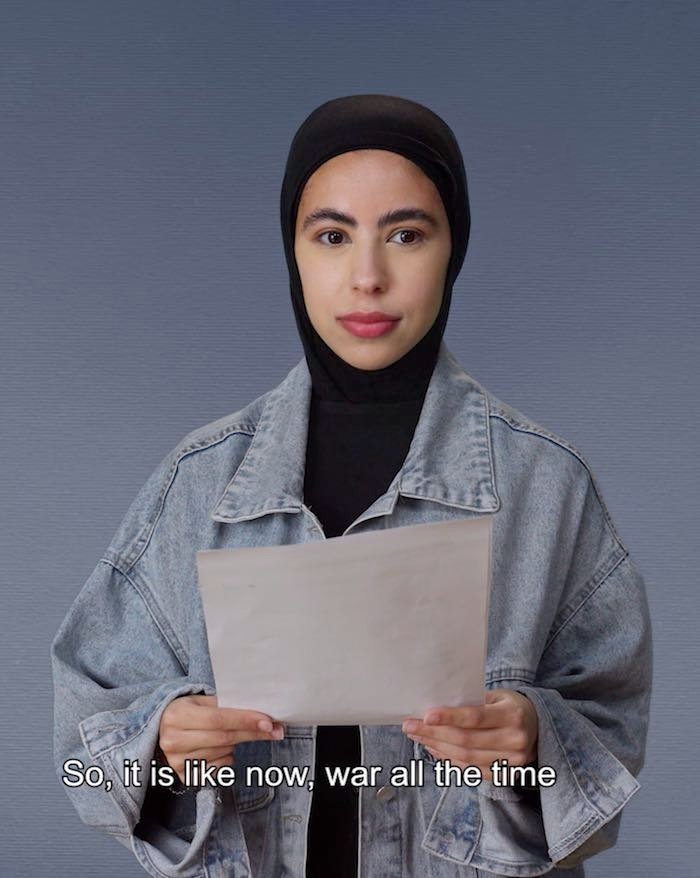
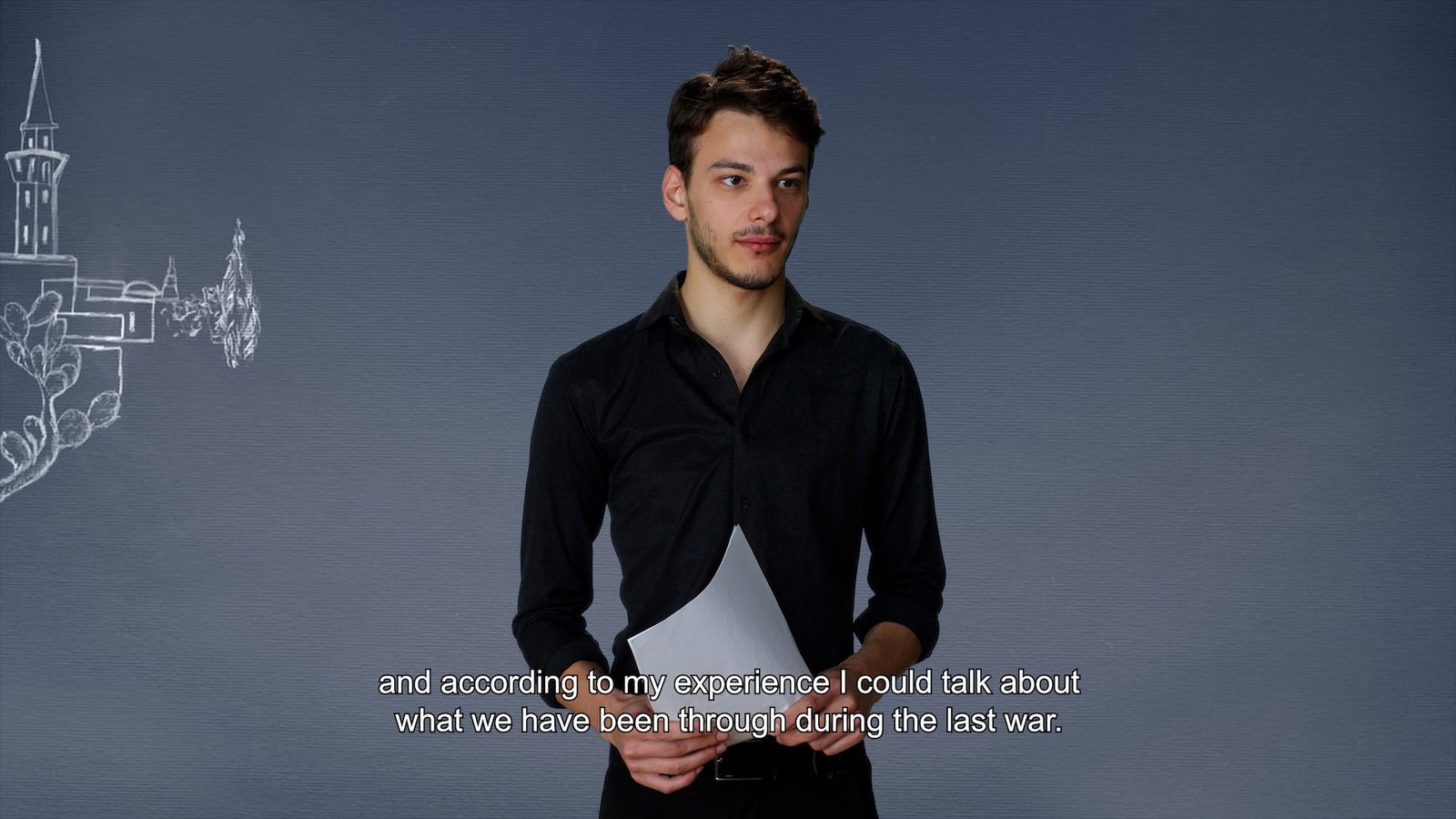
A Beirut, Joreige è alla ricerca di interpreti per un film ispirato al diario scritto più di cento anni fa da Ihsan Turjman, soldato dell’esercito ottomano. I provini, tuttavia, prendono ben presto una piega diversa: gli attori, parlando dei personaggi, finiscono per raccontare sé stessi, i propri sogni e le proprie speranze, riflettendo sulla condizione di estrema difficoltà del Medio Oriente.
Le pagine del diario di Turjman, segnate dalla fine dell’Impero ottomano e dai dubbi sul futuro della Palestina, diventano così il punto di partenza per una riflessione sul presente. Le domande che attraversano il manoscritto si rivelano ancora attuali, offrendo ai giovani interpreti l’occasione di confrontarsi con una storia che continua a segnare profondamente il presente.
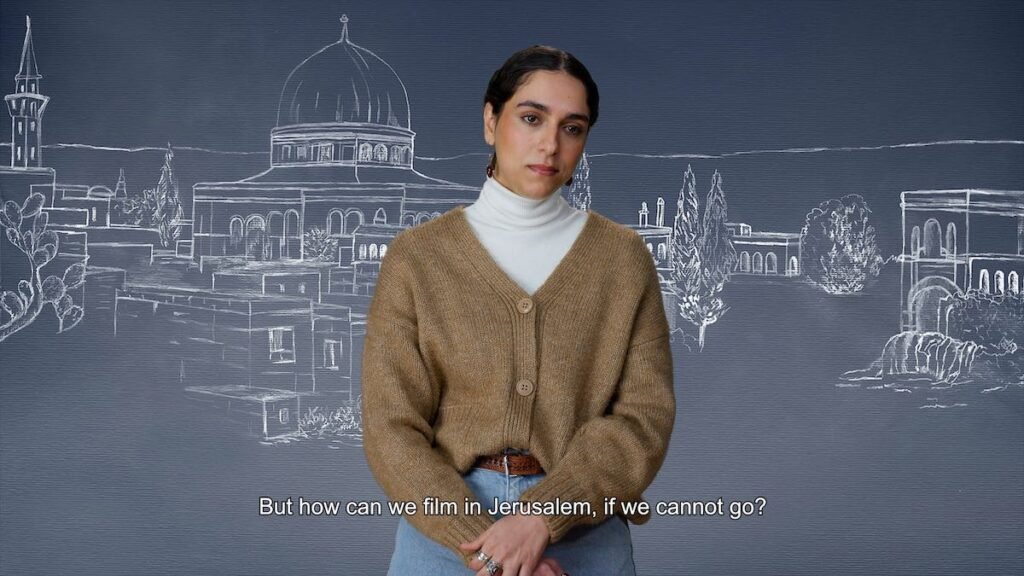
Sullo sfondo, per tutta la durata del film, prende forma l’immagine di Gerusalemme, ricostruita usando una vecchia fotografia della città e l’intelligenza artificiale e poi disegnata a mano da Joreige. Un’immagine che si fa memoria collettiva, evocando una città che rimane, per molti, inaccessibile.
In occasione della presentazione al festival, abbiamo rivolto alcune domande alla regista —

Arianna Canalicchio: Nel tuo film gli interpreti sono chiamati a dar voce a un diario del 1915. Che cosa hai trovato nel diario di Ihsan Turjman che ti è sembrato parlare così direttamente al nostro presente, a più di un secolo di distanza?
Lamia Joreige: Quando ho letto per la prima volta il diario di Ihsan Turjman nel 2017, avevo appena iniziato la ricerca per il mio progetto Uncertain Times. È stata proprio l’attuale sensazione di ansia e incertezza nella nostra regione a far scattare il mio interesse nel guardare indietro a questa svolta della storia: la fine dell’Impero Ottomano e l’inizio del mandato francese e inglese in Libano, Siria e Palestina – un momento di rottura, di frammentazione e di creazione al tempo stesso. Sono rimasta molto colpito dal personaggio di Ihsan; le sue domande sul futuro della Palestina, le sue paure, i suoi dubbi e le sue speranze mi hanno fatto pensare immediatamente al nostro presente.
AC: Ti è capitato durante le audizioni di renderti conto che gli attori stavano portando il testo verso idee e pensieri che non avevi previsto?
LJ: Fin dall’inizio, la mia intenzione non era solo quella di fare un provino, ma di interrogare il presente attraverso gli attori e il loro rapporto con Gerusalemme. La sceneggiatura basata su un manoscritto vecchio di 100 anni è stata l’opportunità per avere una conversazione e sollevare queste domande. Ma la bellezza della pratica documentaristica è che non si può mai prevedere del tutto, poiché le loro idee e i loro interventi non sono preparati, quindi la realtà delle nostre conversazioni si intreccia con la loro lettura del testo della sceneggiatura.
AC: Sullo sfondo durante tutta la durata del film prende vita Gerusalemme. Come hai lavorato sulla rappresentazione di un luogo che per alcuni dei protagonisti è impossibile raggiungere e che a causa della guerra sta cambiando?
LJ: Sapevo di voler rappresentare Gerusalemme sullo sfondo, ed è per questo che ho ripreso le attrici e gli attori con un green screen, ma non sapevo come rappresentare Gerusalemme. Avrei dovuto usare archivi cinematografici, un’unica immagine o un collage di immagini? Non lo sapevo finché non ho iniziato a fare il montaggio, poi mi è stato chiaro che avrei fatto un disegno e che questo disegno si sarebbe sviluppato per tutta la durata del film. Sono un’artista e lavoro con vari mezzi, compreso il disegno, quindi per me aveva senso. Gerusalemme è sempre stata una fantasia per me, mia nonna materna è nata lì, è anche un luogo “mitico” inaccessibile per noi, quindi la questione della sua rappresentazione è diventata cruciale, come rendere un luogo che è al tempo stesso fittizio e reale. Ho deciso di generare un’immagine utilizzando l’intelligenza artificiale basata sui nostri prompt e su una vecchia immagine della città, e poi di realizzare un disegno a mano di quell’immagine.
AC: Vuoi anticiparci qualcosa sui tuoi prossimi progetti?
LJ: La sceneggiatura del lungometraggio Jerusalem, the diary of Ihsan Turjman è pronta e vorrei andare avanti con la sua produzione e trovare co-produzioni per poterlo girare nei prossimi anni. Sto portando avanti la ricerca e la creazione di una nuova serie di opere d’arte che fanno parte di Uncertain Times, utilizzando archivi del Regno Unito risalenti a 100 anni fa. Ho intenzione di iniziare il montaggio dei miei archivi personali/materiali girati negli ultimi 25 anni, per realizzare un film-saggio personale su Beirut, la mia città natale.

Lo Schermo dell’Arte | Interview with Lamia Joreige
Friday, November 13, on the occasion of the festival Lo Schermo dell’Arte, Lamia Joreige’s Casting for a Film, Ihsan’s Diary will be presented for the first time in Italy. In the film, the director transforms a 1915 manuscript into an intense investigation into the stories, desires, and hopes of a group of young Palestinian and Lebanese actors and actresses.
In Beirut, Joreige is searching for performers for a film inspired by the diary written over a hundred years ago by Ihsan Turjman, an Ottoman army soldier. The auditions, however, soon take a different turn: speaking about the characters, the actors end up opening up about themselves, their dreams, and their hopes, reflecting on the extremely difficult situation in the Middle East.
The pages of Turjman’s diary—marked by the end of the Ottoman Empire and doubts about the future of Palestine—thus become the starting point for a reflection on the present. The questions running through the manuscript prove to be still relevant today, giving the young performers the opportunity to come to terms with a history that continues to deeply shape the present.
Throughout the film, the background features an emerging image of Jerusalem, reconstructed using an old photograph of the city combined with artificial intelligence, and then hand-drawn by Joreige. It is an image that becomes collective memory, evoking a city that remains inaccessible to many.
On the occasion of the festival presentation, we asked the director a few questions —
Arianna Canalicchio: In your film, the young people auditioning for the roles are invited to give voice to a diary from 1915. What did you find in Ihsan Turjman’s diary that made it resonate so directly with our present, more than a century later?
Lamia Joreige: When I first read the diary of Ihsan Turjman in 2017, I had just started the research for my project Uncertain Times. It was precisely the present feeling of anxiety and uncertainty in our region, which triggered my interest in looking back at this turning point in history: the end of the Ottoman Empire and the beginning of the French and English mandate in Lebanon, Syria and Palestine – a moment of rupture, of fragmentation and creation at once.
I was very moved by Ihsan’s character, his questions on the future of Palestine, his fears, doubts and hopes made me immediately think of our present.
AC: During the auditions, did you ever realize that the actors were taking the text in directions, exploring ideas and thoughts, that you hadn’t anticipated?
LJ: From the start, my intention was not only to do an audition but to interrogate the present through the actors and their relation to Jerusalem. The script based on 100 years’ old manuscript was the opportunity to have a conversation and to raise these questions. But the beauty of documentary practice is that you can never fully anticipate, as their ideas and interventions are not prepared, so the reality of our conversations is interwoven with their reading of the text of the script.
AC: Throughout the film, Jerusalem gradually takes shape in the background. How did you approach representing a place that is inaccessible to some of the protagonists and that is changing as a result of the war?
LJ: I knew I wanted to represent Jerusalem in the background, this is why I filmed the actresses/actors with a green screen, but I didn’t know how to represent Jerusalem. Would I use film archives or a single image, or a collage of images? I didn’t know until I started doing the editing, then it became clear to me that I would make a drawing and that this drawing should unfold throughout the duration of the film. I am an artist and I work with various media, including drawing, so it made sense to me.
Jerusalem has always been a fantasy to me, my maternal grandmother was born there, it is also a “mythical” place that is inaccessible to us, so the question of its representation became crucial, how to render a place that is both fictive and real at once. I decided to generate an image using artificial intelligence based on our prompts and old image of the city, and then to make a hand drawing of that image.
AC: Could you tell us a little about your upcoming projects?
LJ: The feature film script: Jerusalem, the diary of Ihsan Turjman is ready and I would like move forward with its production and find co-productions to hopefully shoot it in the coming years.
I am pursuing the research and creation of a new series of artworks part of Uncertain Times, using 100 years old archives from the U.K. I plan to start the editing of my personal archives/rushes filmed over the past 25 years, to make a personal essay-film on Beirut, my hometown.