English version below –
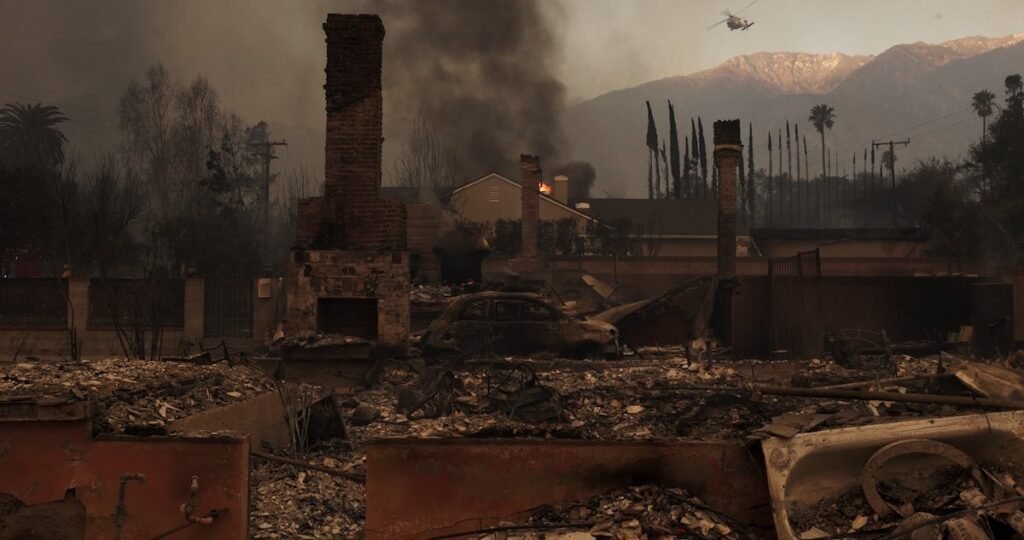
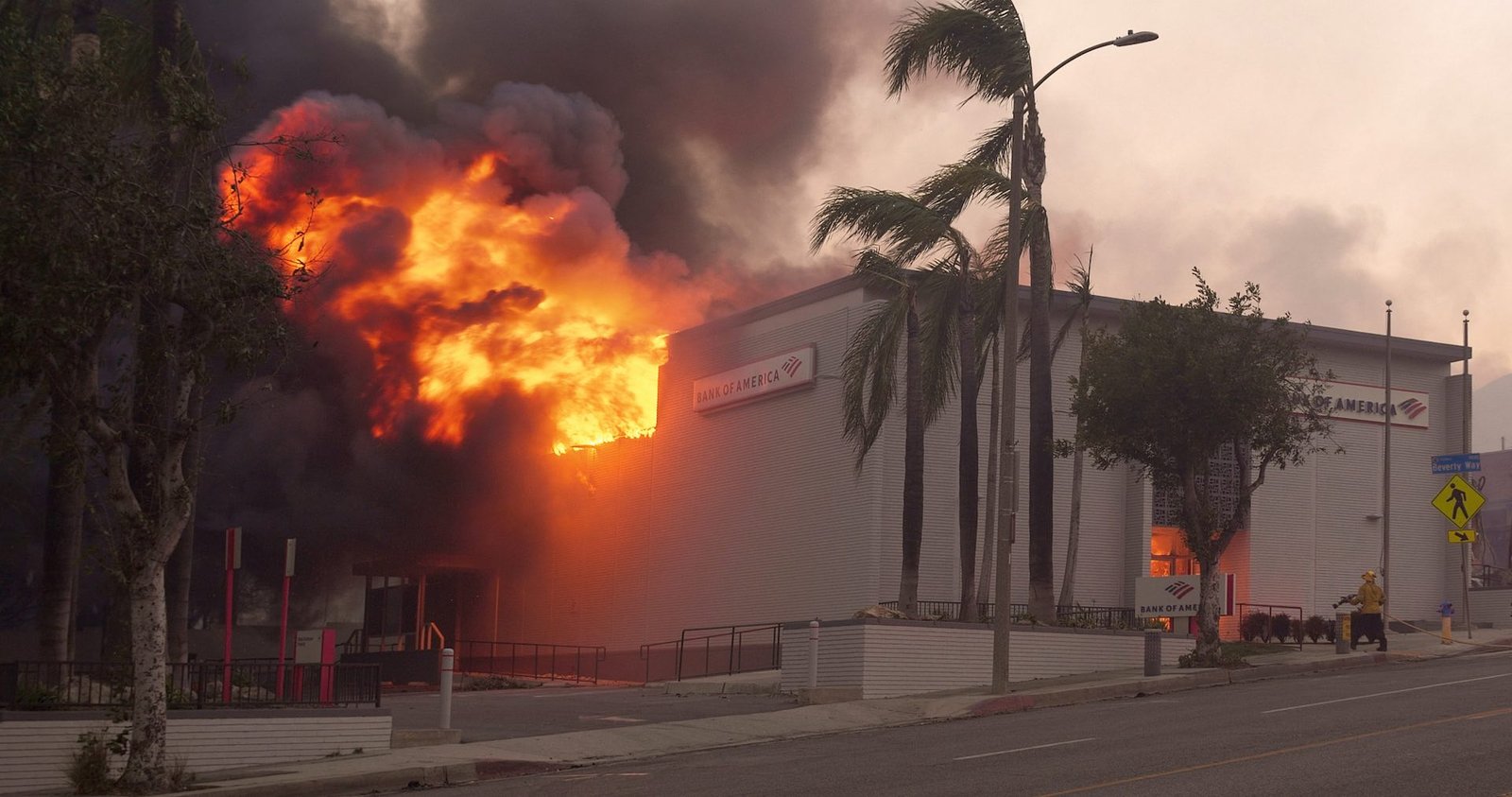
Partendo da un evento di cronaca recente, il documentario sviluppa una riflessione più ampia sulla crisi climatica e geopolitica del nostro tempo. Il film nasce in modo del tutto imprevisto: Lukas Marxt si trovava infatti a Los Angeles per lavorare a un altro progetto quando, con lo scoppio degli incendi, ha deciso di rivolgere la propria attenzione a ciò che stava accadendo, iniziando a documentare la propagazione delle fiamme, i rifugi e le reazioni delle persone coinvolte.
Il titolo fa riferimento al concetto di pyropolitics, o “politica del fuoco”, elaborato dal filosofo ambientale Michael Marder, e consiste nello studio di come il fuoco, tanto in senso letterale quanto in senso metaforico, possa diventare una forza capace di modellare il potere, la società e l’ambiente.
Attraverso inquadrature lunghe, Marxt si sottrare ai ritmi serrati del racconto giornalistico e restituisce allo spettatore il tempo necessario per osservare e riflettere. Il film apre così una serie di interrogativi sulla crisi ambientale e sulla crescente difficoltà di distinguere tra fenomeni naturali e trasformazioni determinate dall’attività umana.
In occasione della sua presenza al festival abbiamo fatto qualche domanda a Lukas Marxt —
Arianna Canalicchio: Hai già partecipato a Lo Schermo dell’Arte, com’è tornare e qual è il tuo rapporto con il festival?
Lukas Marxt: Tutto è iniziato con Visio, che è stato anche il mio primo contatto con il festival. Due anni fa, insieme alla co-regista Vanja Smiljanić, abbiamo presentato il nostro film Among the Palms of the Bomb or Looking for Reflections in the Toxic Field of Plenty, che affrontava già la più ampia crisi ecologica ed economica della California, concentrandosi in particolare sull’area del Salton Sea, vicino al confine con il Messico ma non troppo distante da Los Angeles.
Per quanto riguarda il mio nuovo film, non avevamo programmato di girarlo: gli incendi sono scoppiati proprio mentre stavamo conducendo un’altra ricerca sul territorio. È così che ci siamo ritrovati a Los Angeles in quel preciso momento.
Tornare a Lo Schermo dell’Arte con questo film mi dà, in un certo senso, la sensazione che tutto trovi una propria continuità. È sempre un piacere presentare il mio lavoro al pubblico italiano. Penso inoltre che Lo Schermo dell’Arte sia un contesto particolarmente adatto a presentare film che si collocano al confine tra cinema e belle arti, quindi sono molto felice di avere l’opportunità di mostrare qui il mio nuovo lavoro.
AC: Il film si apre con una citazione di Michael Marder che introduce il concetto di “pyropolitics” in questa nuova era climatica. In che modo i devastanti incendi che hanno colpito Los Angeles nel gennaio del 2025 rappresentano anche il sintomo visibile di una più ampia crisi politica e sistemica? E come pensi che potremmo tentare di uscirne?
LM:Sono due questioni molto ampie, ma il primo punto è che vedo sicuramente una connessione tra gli eventi meteorologici estremi — e includerei in questa categoria anche gli incendi, le piogge, le alluvioni, le frane e tutto ciò che è legato al cambiamento climatico o alla crisi climatica che stiamo vivendo.
Per quanto riguarda gli incendi di Los Angeles, molto dipende dal punto di vista da cui li si osserva, ma si è trattato di un evento di portata davvero enorme. Anche se ormai non se ne parla più molto, eventi simili continuano a verificarsi: lo abbiamo visto quest’estate in Francia, su una scala molto più ampia di quella a cui siamo abituati. Gli incendi si stanno avvicinando sempre di più alle città e questo, naturalmente, ha a che fare con il modo in cui ci rapportiamo al mondo. Non è una questione che riguarda soltanto la Rivoluzione industriale, ma anche la massimizzazione dei profitti legati alla produzione e tutto ciò che ne consegue. Stiamo trasformando il territorio in molti modi e tutto questo è connesso, in un modo o nell’altro, tanto agli incendi quanto alle alluvioni.
A Los Angeles gli incendi nelle aree circostanti la città non sono una novità, ma ciò che è nuovo è che questa volta sono arrivati fin dentro la città. Tutti gli avvertimenti, tutti i segnali che si erano manifestati in precedenza, sono stati ignorati. Già negli anni Novanta si erano verificati incendi che si erano propagati in modo simile. E ora, in un certo senso, il fuoco è tornato. Alcune persone qui dicono di essere sorprese che non sia successo prima, mentre altre sostengono di non riuscire a credere che stia accadendo. Anche su questo tema, quindi, esistono punti di vista diversi.
Il territorio, inoltre, si sta progressivamente inaridendo. Ho scoperto che i vigili del fuoco parlano di incendi che oggi si propagano più rapidamente rispetto a vent’anni fa. All’inizio non ci avevo riflettuto molto: parliamo dell’uso del suolo e delle trasformazioni del territorio, ma anche dell’inaridimento del paesaggio e dell’abbattimento di un numero sempre maggiore di alberi per favorire la crescita e la produzione. In qualche modo, tutti questi fattori sono collegati e rendono molto più facile la propagazione degli incendi. Allo stesso tempo, qui negli Stati Uniti si stanno tagliando i fondi destinati alla gestione degli incendi, proprio quando sarebbe necessario aumentarli. Soprattutto se consideriamo che negli ultimi anni la quota del budget destinata alla soppressione degli incendi è passata dall’11% al 55%: è una situazione terribile.
Per quanto riguarda la seconda parte della domanda, purtroppo non ho davvero una risposta su come possiamo uscire da questa situazione. Si tratta sempre di sensibilizzare le persone, e l’educazione è fondamentale per moltissime questioni. Ma, non so, in qualche modo ho l’impressione che siamo intrappolati in una spirale discendente. I Paesi continuano a chiudere gli occhi, senza cercare davvero di trarre le dovute conseguenze. Lo stesso vale per l’Accordo di Parigi sul clima: moltissimi Paesi lo hanno firmato, ma alla fine non esistono sanzioni o conseguenze concrete. Le conseguenze politiche e globali continuano a essere ignorate e tutto sembra procedere nella stessa direzione, quella della crescita massima. O almeno, è questa la mia impressione.
AC: Quanto tempo hanno richiesto le riprese?
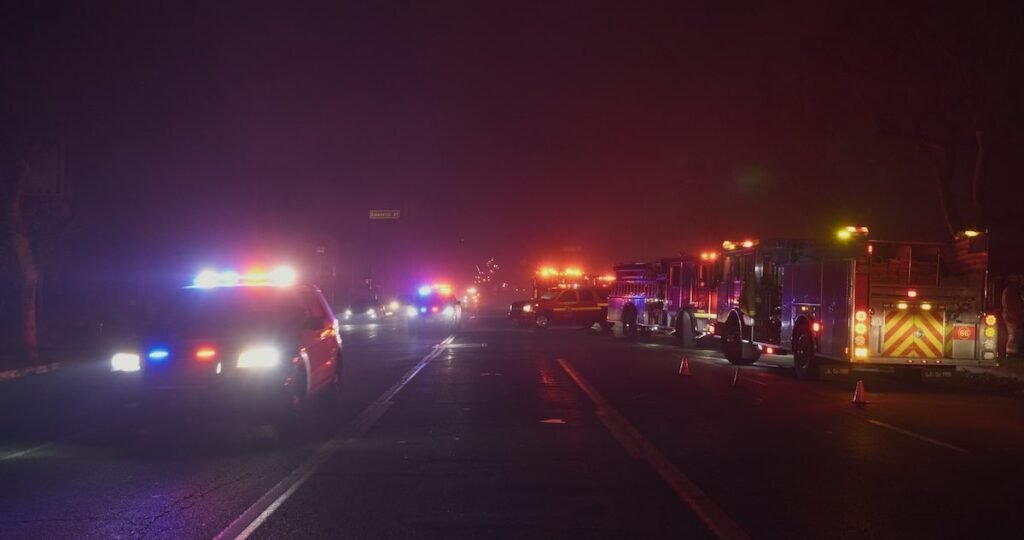
LM: Come accennavo, eravamo a Los Angeles per fare ricerca per un altro progetto e, se ricordo bene, l’incendio è iniziato il 7 gennaio. Inizialmente il mio pensiero era di non voler avere nulla a che fare con gli incendi: non volevo intralciare il lavoro di nessuno. Ma, man mano che le fiamme continuavano a propagarsi – l’incendio di Palisades, quello di Eaton, quello di Hollywood e molti altri ancora – ci siamo resi conto che non potevamo più lavorare nemmeno al progetto per cui eravamo originariamente lì. Abbiamo quindi deciso di spostare la nostra attenzione, pensando che non fosse necessariamente necessario realizzare un film, ma piuttosto una sorta di documentazione di ciò che stava accadendo: la risposta delle persone, i rifugi, ma anche gli incendi stessi.
Le fiamme hanno continuato a bruciare fino alla fine di gennaio, quando è stato dichiarato il contenimento degli incendi. Sono durati quindi più di tre settimane. Siamo rimasti lì per gran parte di quel periodo e le riprese si sono svolte proprio in quei giorni, mentre tutto stava accadendo.
C’erano moltissimi aspetti degli incendi che non siamo riusciti a mostrare. Quello che ne è emerso è quindi uno sguardo specifico, dall’esterno, basato su ciò a cui abbiamo avuto accesso. Volevamo semplicemente documentare questo evento storico, ed è sostanzialmente ciò che abbiamo cercato di fare.
AC: Vuoi anticiparci qualcosa sui tuoi prossimi progetti?
LM: Al momento sto lavorando insieme a Carson Davis Brown, che ha collaborato con me anche a 1.5 Degrees for Politics of the New World.
Stiamo girando nell’High Desert, in un poligono di tiro all’aperto frequentato ogni giorno, e ogni fine settimana, da moltissimi tiratori, che lasciano a terra tutti i bossoli, ovvero i rivestimenti metallici dei proiettili. Esiste poi un’altra comunità che vive effettivamente su questo territorio e si guadagna da vivere riciclando proprio questi bossoli. Questo è, più o meno, il quadro generale di ciò che posso raccontarti finora sul progetto a cui stiamo lavorando.
Il film affronta anche la questione dei diritti, in relazione alla criminalizzazione delle persone senza fissa dimora, un fenomeno che si sta verificando proprio in questo momento negli Stati Uniti. Un altro aspetto centrale riguarda semplicemente la sopravvivenza nel deserto, in condizioni estremamente dure, e il tema delle leggi sulle armi. Ecco, è questa la direzione che sta prendendo il nuovo film.
Lo Schermo dell’Arte | Interview with Lukas Marxt
On Sunday, November 15, as the closing event of the Lo Schermo dell’Arte festival, Lukas Marxt’s “1.5 Degrees for Politics of the New World” will be presented—a lucid account of the fires that devastated Los Angeles in January 2025.
Taking a recent news event as its starting point, the documentary develops a broader reflection on the climate and geopolitical crisis of our time. The film came about quite unexpectedly: Marxt happened to be in Los Angeles working on a different project when the fires broke out; he decided to shift his focus to the unfolding events, beginning to document the spread of the flames, the shelters, and the reactions of those affected.
The title refers to the concept of “pyropolitics”—a term coined by environmental philosopher Michael Marder—which examines how fire, both literally and metaphorically, can become a force capable of shaping power, society, and the environment.
Through long, sustained shots, Marxt steps away from the rapid pace of conventional journalism, granting the viewer the time needed to observe and reflect. In doing so, the film raises a series of questions about the environmental crisis and the increasing difficulty of distinguishing between natural phenomena and transformations driven by human activity.
On the occasion of his appearance at the festival, we posed a few questions to Lukas Marxt —
Arianna Canalicchio: You have already participated in Lo Schermo dell’Arte, what is it like to return and what is your relationship with the festival?
Lukas Marxt: It all started with Visio, which was actually how I was first introduced to the festival. Two years ago, together with the co-director Vanja Smiljanić, we presented our film Among the Palms of the Bomb or Looking for Reflections in the Toxic Field of Plenty, which was already dealing with the whole ecological and economic crisis in California, particularly around the Salton Sea, which is close to the Mexican border but also not too far from Los Angeles.
About my new film We had not planned to shoot a film about the fires; they simply broke out while we were conducting research for another project in the area. This is how we happened to be in Los Angeles at that particular moment.
Returning to Lo Schermo dell’Arte with this film feels, in a way, like it’s all holding together. It is always a pleasure to introduce my work to an Italian audience. I also think that Lo Schermo dell’Arte is particularly well suited to showcasing films that exist at the intersection of cinema and fine art, so I am very happy to have the opportunity to present my new work there.
AC: The film opens with a quote by Michael Marder introducing the concept of “pyropolitics” in this new climate era. In what ways do the devastating fires that ravaged Los Angeles in January 2025 also represent the visible symptom of a broader political and systemic crisis? And how do you think we might attempt to emerge from it?
LM: Those are two very big questions, but the first part is that I definitely see a connection between extreme weather events — which would also include fire, rain, floods, landslides, and everything connected to climate change or the climate crisis we are experiencing.
Then, regarding the fires in Los Angeles, it always depends on one’s point of view, but it was a very, very big event that happened here. Even though people don’t talk about it so much anymore, similar events are also happening, as we witnessed this summer in France, on a much larger scale than we are used to. The fires are coming closer to cities, and this, of course, has to do with the way we are actually dealing with the world. It’s not only about the Industrial Revolution, but also about maximising profit from production and everything else. We are reshaping the land in many ways, and this is all connected, in one way or another, to fires, as well as to flooding.
Here in Los Angeles, it is not new for fires to occur around the city, but what is new is that they have actually entered the city. All the warnings, all the signs that were there before, were ignored. There had already been fires in the 1990s that burned in a similar way. And now the fire has returned, in a way. Some people here are saying they are surprised it didn’t happen earlier, while others are saying they can’t believe this is happening. So there are also different perspectives on the whole issue.
Everything is also drying out a little more. I learned that firefighters are actually talking about fires spreading faster than they did over the last 20 years. And at first, I didn’t really understand: we are talking about land use and the reshaping of the land, but also about the drying out of the landscape and cutting down more trees for growth and production. Somehow, all of this is connected, making it much easier for fires to spread. At the same time, here in the US, they are cutting the budget for fire management, when this is actually the time when we should be increasing it, especially considering that fire suppression has gone from 11% to 55% over the last few years, which is terrible.
Regarding the second part of your question, unfortunately, I don’t really have an answer as to how we can get out of this situation. It is always about raising awareness, and education is key to so many things. But somehow, I don’t know, it seems like we are trapped in a downward spiral. Countries are still closing their eyes and not really trying to draw any consequences. It’s the same with the Paris Climate Agreement: so many countries signed it, but in the end, there are no real penalties or consequences. The political or global consequences are still being ignored, and everything seems to be moving in the same direction, towards maximum growth, or at least that’s how I feel.
AC: How long did the shooting take?
LM: As I mentioned, we were in Los Angeles doing research for another project, and the fire started, if I remember correctly, on January 7th. The first thought was that I didn’t want to do anything with the fires; I didn’t want to get in anyone’s way. But as the fires continued burning — the Palisades Fire, the Eaton Fire, the Hollywood Fire, and many, many more — we realised that we couldn’t work on the project we had originally come for either. So we shifted our focus and said that it didn’t necessarily have to become a movie, but could be much more like a documentation of what was happening: the human response, the shelters, but also the fires.
They continued burning until the containment date at the end of January, so for over three weeks. We were there for most of that time, and the shooting took place during this period, when everything was happening.
There were so many aspects of the fires that we were not able to show, so it is a specific view, from the outside, based on what we had access to. We simply wanted to document this historic event, and that is pretty much what we tried to achieve.
AC: Would you like to give us a preview of your upcoming projects?
LM: At the moment, I’m working together with Carson Davis Brown, who also worked with me on 1.5 Degrees for Politics of the New World.
We are filming in the High Desert, at an open gun range where a lot of shooters come every day, every weekend, and leave all their brass, meaning their bullet casings, behind. Then there is another community that actually lives on this land and makes a living from recycling these bullet casings. This is more or less the bigger picture of what I can tell you so far about what we are working on.
It also touches on the rights involved in the criminalization of homeless people, which is what is happening right now in the US. Another very big part of it is simply surviving in the desert, in a way, under very harsh circumstances, together with the issue of gun laws. And yeah, this is the kind of direction the new film is taking.