Scroll down for English Version
FIGURE DELLA SCRITTURA
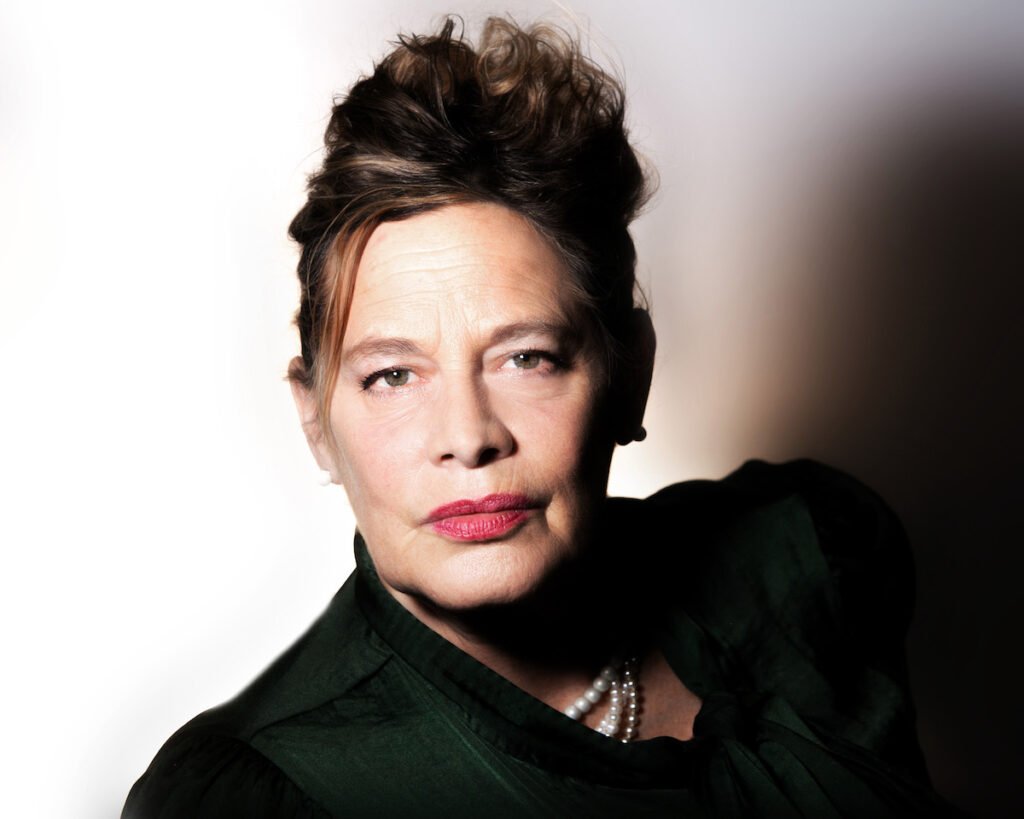
Ci sono figure che dalla storia dell’arte entrano nella scrittura e vi assumono una forma inattesa. Tra gli altri, Deborah Levy guarda a Gertrude Stein attraverso i ritratti che ne hanno costruito e moltiplicato l’immagine; Ali Smith reinventa Francesco del Cossa in L’una e l’altra; Rachel Cusk, in Parade, dissemina nella finzione vite, gesti e opere riconducibili ad artisti reali; Olivia Laing, in Città sola, interroga la solitudine urbana attraverso le vite e le opere di Edward Hopper, Andy Warhol, Henry Darger e David Wojnarowicz; Karl Ove Knausgård incontra Edvard Munch interrogando ciò che della pittura eccede la biografia.
Figure della scrittura, a cura di Rita Selvaggio, segue questi passaggi tra arte e letteratura: non per cercare nelle parole l’equivalente di un’immagine, ma per osservare che cosa accade quando un artista, un’opera o un ritratto diventano materia della forma letteraria.
Deborah Levy e le immagini di una vita
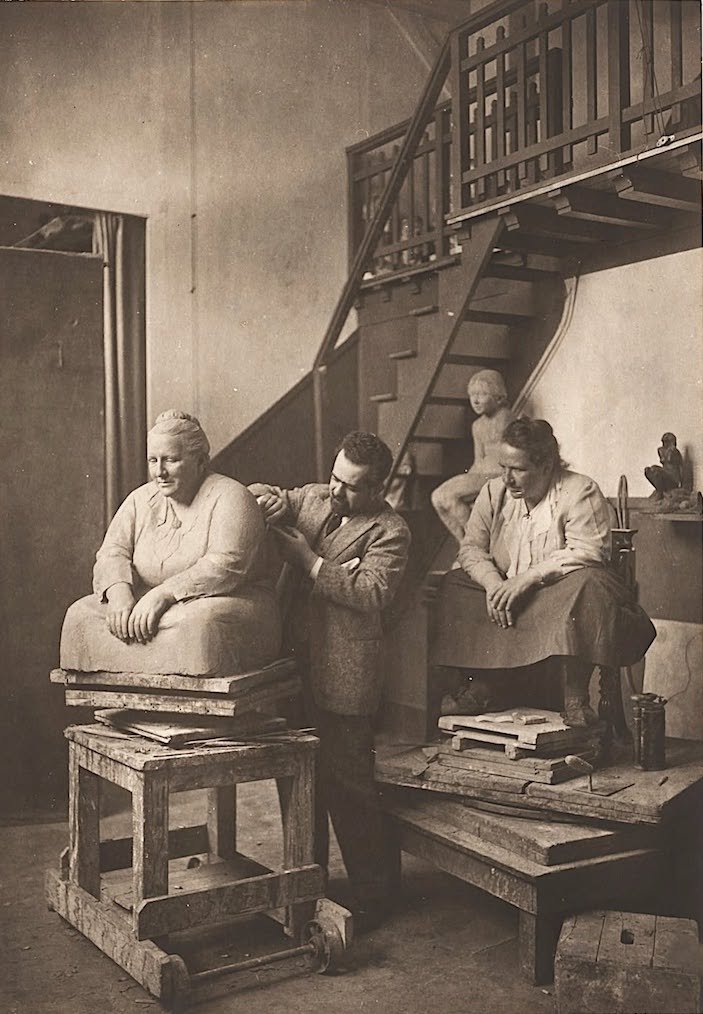
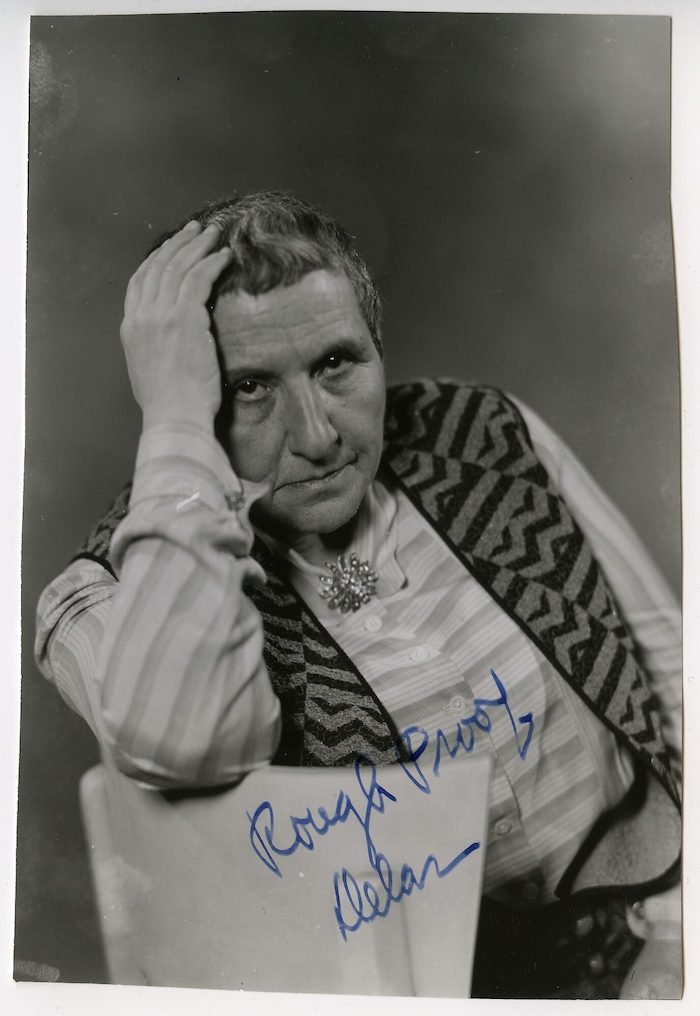
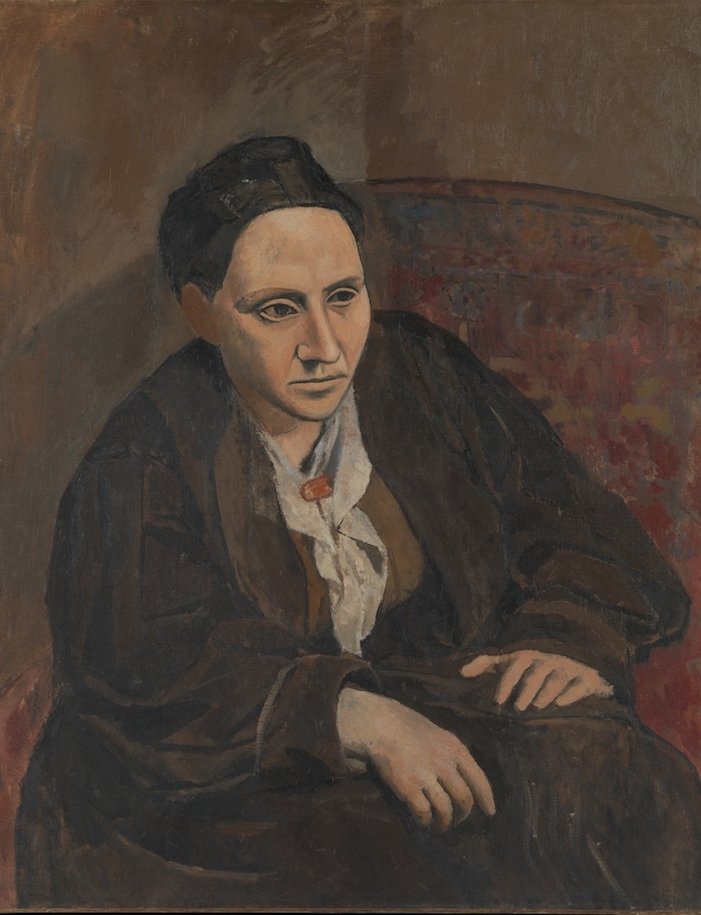
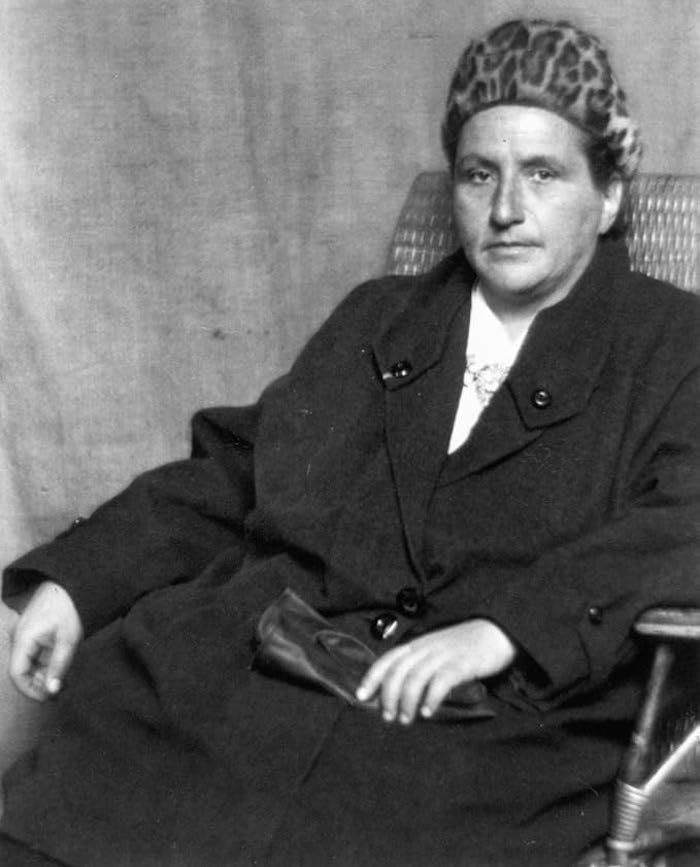
Gertrude Stein non arriva mai sola davanti a chi la guarda. La precedono le immagini che ha prodotto di sé e quelle che altri hanno costruito per lei: il corpo massiccio nel ritratto di Picasso, il volto offerto agli obiettivi di Man Ray e Cecil Beaton, la postura pubblica della collezionista, la voce che nell’Autobiografia di Alice B. Toklas parla di sé fingendo di appartenere a un’altra. Ogni avvicinamento incontra una figura già deposta sulla soglia. Eppure, quanto più Stein è stata esposta, tanto meno sembra lasciarsi vedere.
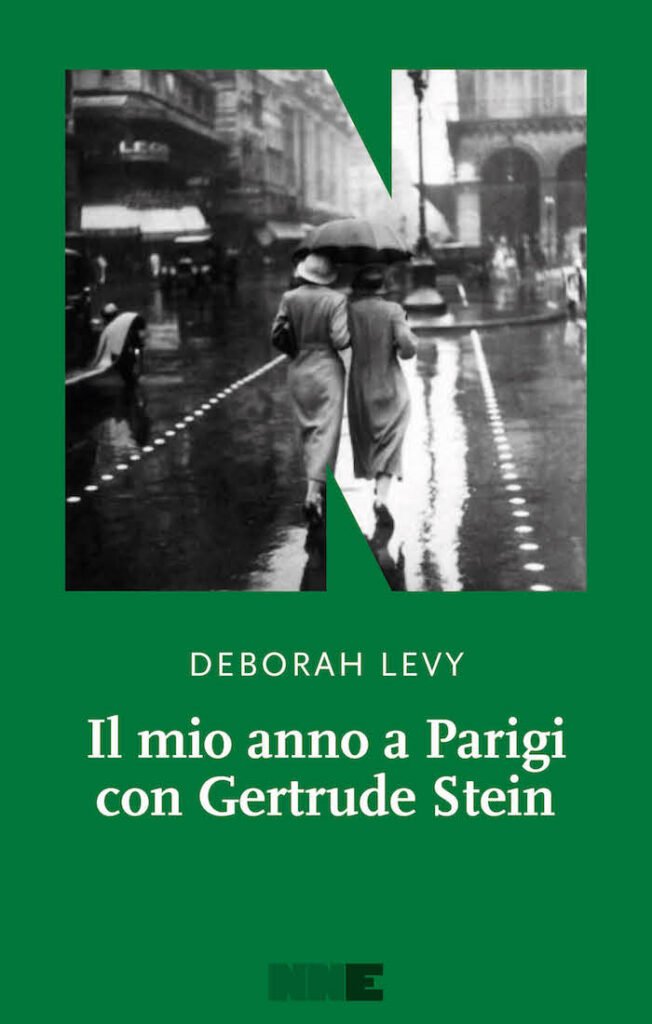
Deborah Levy lo dice con una frase che trasforma subito la biografia in un problema dello sguardo: “When I look at photographs of her, I cannot get into her eyes.” Gli occhi sono lì, registrati dalla luce, e tuttavia restano una superficie invalicabile. La fotografia attesta una presenza senza consegnarne l’interno. Da questa resistenza, più che dal desiderio di ricostruire una vita, nasce My Year in Paris with Gertrude Stein: A Fiction (Il mio anno a Parigi con Gertrude Stein, NN Editore, in uscita il 20 ottobre 2026).
Parigi, novembre 2024. La narratrice dovrebbe scrivere un saggio su Stein, ma la città continua a porle qualcosa davanti: Eva e Fanny, le gru gialle che restaurano Notre-Dame, la pioggia, un cachi lasciato a maturare sul davanzale, un profumo al timo e al cedro trovato in una ferramenta. E soprattutto un gatto scomparso. Eva lo ha chiamato “it”; Fanny, esasperata dall’indeterminatezza, lo ribattezza Bob. Un nome dovrebbe circoscrivere, rendere riconoscibile, stabilire dove siamo. Il gatto continua invece a sottrarsi. Anche nominato, non si lascia possedere.
La sua fuga non è un diversivo narrativo. È la piccola macchina ottica del libro. Cercare l’“it” di Stein significa desiderare un punto ultimo in cui una persona coincida con sé stessa, sottratta alle versioni, alle posture, agli usi che altri hanno fatto di lei. Ma né il gatto né Stein accettano quella coincidenza. Passano da un nome all’altro, da un tempo all’altro. La ricerca comincia là dove l’identificazione fallisce.
Levy non dispone la vita di Stein in una successione ordinata. La riallestisce. Episodi biografici, ricette, conversazioni, guerre viste sullo schermo di un telefono, tombe, opere, amicizie e dettagli laterali entrano nel testo come materiali di un archivio rimesso provvisoriamente in circolo. La Parigi dell’avanguardia e quella del 2024 non stanno l’una dietro l’altra: affiorano sulla stessa superficie, si urtano, si accendono per brevi contatti. Il tempo non viene ricostruito; viene montato. Come in un riallestimento, Levy cambia le distanze: il documento diventa intervallo, ciò che sembrava marginale si sposta al centro della visione.
Definire questo procedimento “cubista” sarebbe esatto e, insieme, insufficiente. Non basta moltiplicare le prospettive. Levy fa transitare Stein fra tre condizioni del ritratto: la pittura, il word portrait, la narrazione. A ogni passaggio, ciò che chiamiamo somiglianza muta. Il soggetto non preesiste intatto alla propria rappresentazione; prende consistenza nei gesti che lo cancellano, lo ripetono, lo ricordano, lo espongono.
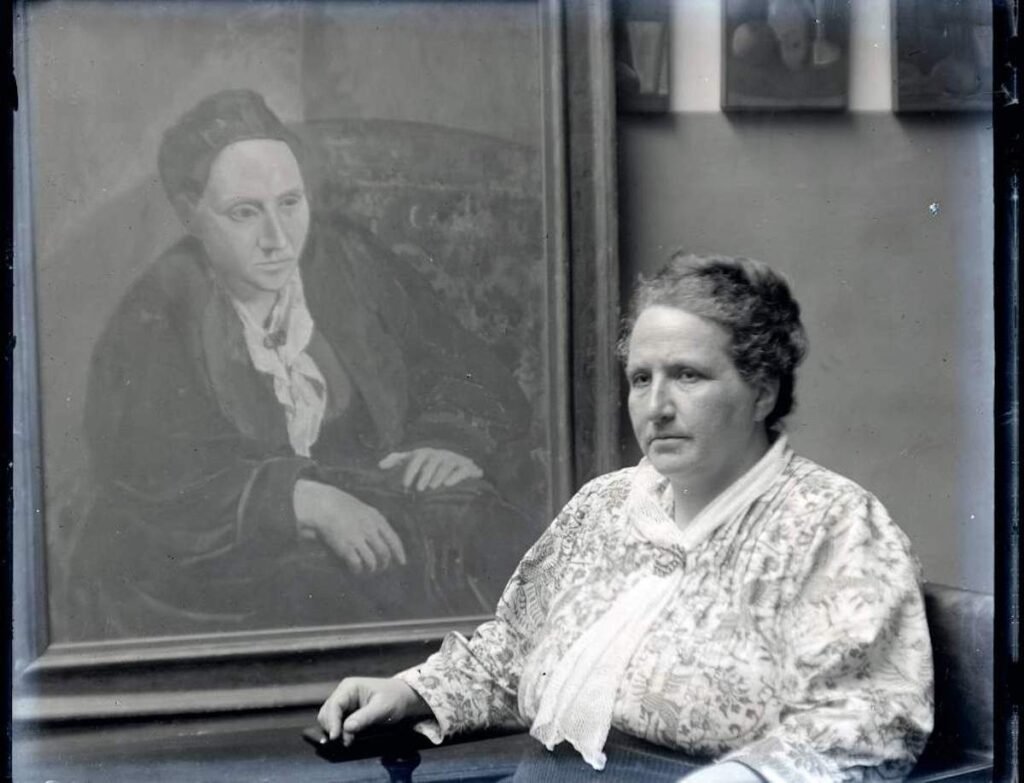
Il dipinto eseguito da Picasso fra il 1905 e il 1906 occupa qui una posizione decisiva. Non è ancora un quadro cubista in senso stretto. Dopo decine di sedute, Picasso cancellò il volto di Stein e lo ridipinse senza averla davanti. La fedeltà ottica cedette alla memoria. Il viso acquistò la fissità di una maschera; il corpo conservò il peso di chi era rimasto a lungo seduto nello studio. Stein divenne riconoscibile quando il quadro smise di copiarla. La somiglianza non scomparve: cambiò sede.
Qualche anno più tardi Stein sottopose il linguaggio a un movimento analogo. Nei word portraits nomi, qualità e azioni vengono ripetuti e spostati finché la frase smette di descrivere e comincia a produrre ritmo. Levy ricorda che Stein sperava che quei ritratti verbali potessero assomigliare alle visioni radicali di Cézanne, Matisse e Picasso. La persona non è collocata davanti alle parole come un modello davanti al pittore: accade nella loro durata, appare e si ritrae nel tempo necessario a leggerle.
Al Père-Lachaise Levy osserva i morti attraverso ciò che di loro persiste nelle fotografie e nei dipinti. Rievoca Modigliani mentre accende gli occhi di Chaïm Soutine con un punto di colore grande quanto la capocchia di uno spillo. Quasi nulla. Eppure in quel minimo deposito di pittura lo sguardo riceve intenzione, volontà. A volte basta un punto perché una vita continui a guardarci.
Il libro non traduce Picasso in prosa e non imita la maniera steiniana. Riprende la domanda che attraversa entrambi: come sottrarre il ritratto alla descrizione senza perdere il soggetto? “How do we put ourselves together?” chiede la narratrice. Mettersi insieme, per Levy, non significa ricomporsi in una figura pacificata. Ogni composizione seleziona, lascia ai margini, decide quale dettaglio possa affiorare e quale resti fuori campo.
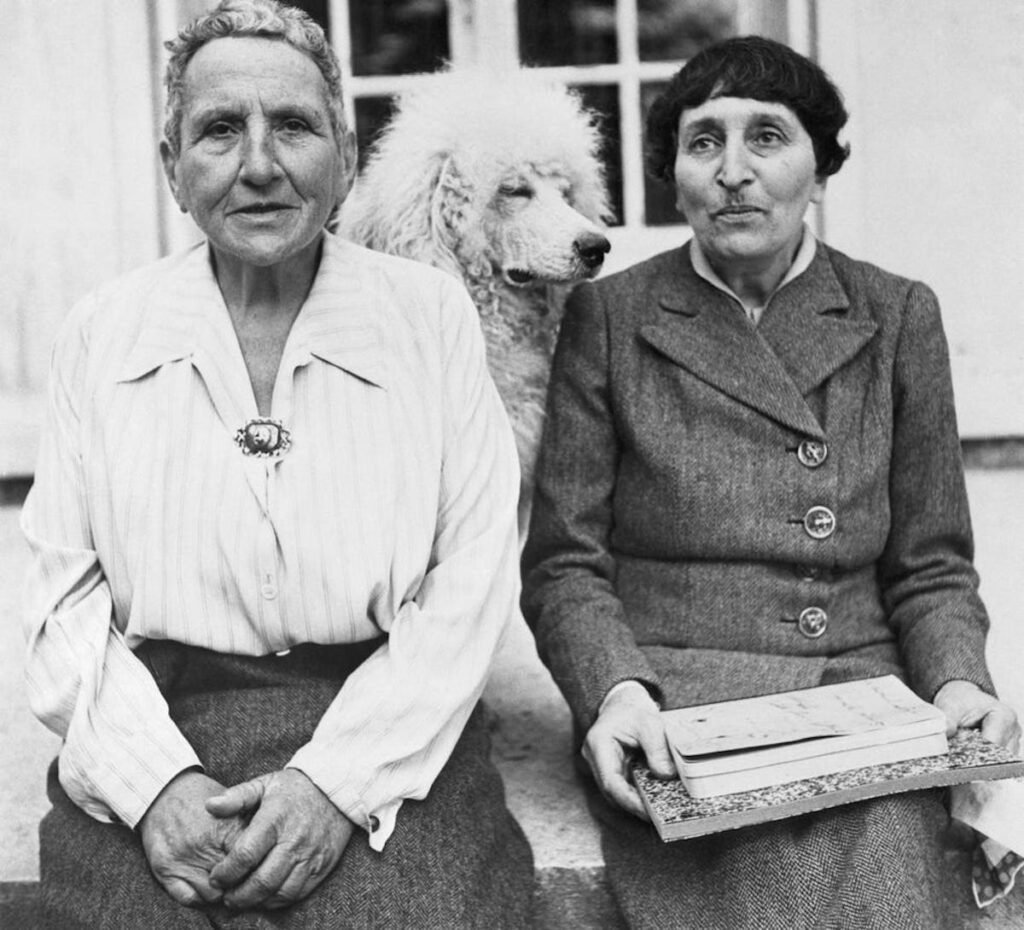
Stein compose la propria libertà e la propria leggenda. Lasciò l’America, scelse Parigi, sottrasse il corpo al corsetto e la frase alla continuità ottocentesca. Con Alice B. Toklas costruì una forma di vita che non disponeva ancora di un’immagine socialmente riconosciuta. Dietro quella costruzione, però, la figura di Toklas costringe l’inquadratura ad allargarsi. Nella loro storia condivisa fu compagna, lettrice, dattilografa, cuoca, custode dei rapporti e delle condizioni materiali dell’opera. Non una figura secondaria, dunque, ma ciò che rese possibile la durata di una presenza pubblica. Il genio lascia entrare nel campo il lavoro che la sua leggenda aveva tenuto ai bordi.
La Parigi contemporanea impedisce tuttavia che il modernismo si richiuda nel fascino del proprio passato. Sul telefono della narratrice scorrono le guerre del ventunesimo secolo, interrotte da pubblicità di vitamine, automobili, assicurazioni; nella stanza entrano il grido di un parrocchetto, le campane di Notre-Dame, la pioggia sul lucernario, il caffè che sale nella moka. La violenza lontana e la vita minuta occupano lo stesso campo percettivo. Anche il passato perde così la sua distanza protettiva: torna vicino, chiede di essere guardato senza il riparo della leggenda.
È allora che nel ritratto affiora ciò che non si lascia accordare. Durante l’occupazione Stein e Toklas, entrambe ebree, rimasero in Francia e sopravvissero alla guerra. Nelle circostanze ancora discusse della loro salvezza compare Bernard Faÿ, amico e traduttore di Stein, funzionario del regime di Vichy. A quella vicinanza si aggiunge il progetto, mai pubblicato, con cui Stein tradusse in inglese discorsi del maresciallo Philippe Pétain. Le motivazioni restano controverse; gli atti non scompaiono.
L’incomprensibilità aveva permesso a Stein di spezzare l’obbedienza del linguaggio. Estesa alla storia, rischia di diventare uno schermo. Un soggetto può restare in parte inconoscibile; le sue scelte non per questo sfuggono al giudizio. Levy non risolve la contraddizione, né sostituisce all’icona emancipata il profilo compatto della collaborazionista. Lascia le due figure esposte l’una all’altra: la donna ebrea e lesbica che inventò una libertà nella lingua e nella vita; la donna che tradusse Pétain e non rinnegò Faÿ.
Levy non chiude il ritratto. Non colma i vuoti, non stabilisce una gerarchia fra le versioni, non decide quale Stein debba sopravvivere. Porta in primo piano il lavoro attraverso cui ciascuna immagine viene costruita, compresa la propria. La finzione non riempie ciò che la biografia ignora; apre l’immagine alla memoria, al desiderio e al giudizio.
Alla fine il gatto continua a passare sotto nomi diversi e Gertrude Stein continua a non lasciarsi trovare. Ma non è più la stessa assenza da cui il libro era cominciato. Dal volto ridipinto da Picasso alla voce attribuita a Toklas, dai word portraits alle fotografie i cui occhi restano inaccessibili, Stein appare come una costellazione che non combacia con se stessa. Il fallimento della somiglianza non è allora una rinuncia. È il modo in cui un ritratto può restare aperto senza diventare innocente.
FIGURES, WRITTEN
There are figures that pass from art history into writing, taking on an unexpected form. Among others, Deborah Levy looks at Gertrude Stein through the portraits that constructed and multiplied her image; Ali Smith reinvents Francesco del Cossa in How to Be Both; in Parade, Rachel Cusk weaves into fiction lives, gestures, and works traceable to real artists; Olivia Laing, in The Lonely City, explores urban loneliness through the lives and works of Edward Hopper, Andy Warhol, Henry Darger, and David Wojnarowicz; Karl Ove Knausgård encounters Edvard Munch, asking what in painting exceeds biography.
Figures, Written, curated by Rita Selvaggio, follows these passages between art and literature: not to seek in words the equivalent of an image, but to observe what happens when an artist, an artwork, or a portrait becomes material for literary form.
Gertrude Stein Never Arrives Alone
Deborah Levy and the Pictures of a Life
Gertrude Stein never arrives alone before our eyes. She is preceded by the images she made of herself and the ones others made of her: the heavy body in Picasso’s portrait, the face offered to the lenses of Man Ray and Cecil Beaton, her public persona as a collector, the voice through which, in The Autobiography of Alice B. Toklas, Stein speaks about herself while pretending that it belongs to another woman. To approach her is to encounter a figure already waiting at the threshold. And yet the more Stein has been put on display, the less she seems willing to be seen.
Deborah Levy puts it in a sentence that turns biography at once into a problem of looking: “When I look at photographs of her, I cannot get into her eyes.” The eyes are there, caught by the light, and still they remain a surface you cannot cross. The photograph attests to a presence without surrendering its interior. It is this resistance, more than any wish to reconstruct a life, that gives rise to My Year in Paris with Gertrude Stein: A Fiction (Il mio anno a Parigi con Gertrude Stein, forthcoming from NN Editore on 20 October 2026).
Paris, November 2024. The narrator is supposed to be writing an essay on Stein, but the city keeps putting things in front of her instead: Eva and Fanny, the yellow cranes restoring Notre-Dame, the rain, a persimmon left to ripen on the windowsill, a scent of thyme and cedar found in a hardware shop. And above all, a missing cat. Eva has called it “it”; Fanny, worn down by the indeterminacy, renames it Bob. A name is supposed to draw a line around something, make it recognisable, tell us where we stand. The cat keeps slipping out of it anyway. Even named, it will not be owned.
Its escape is not a narrative diversion. It is the book’s little optical machine. To look for Stein’s “it” is to want a final point where a person coincides with herself, free of versions, postures, the uses other people have made of her. But neither the cat nor Stein will agree to that coincidence. They pass from one name to another, one time to another. The search begins exactly where identification fails.
Levy does not lay Stein’s life out in order. She reinstalls it. Biographical episodes, recipes, conversations, wars watched on a phone screen, graves, artworks, friendships, and stray details enter the text like the contents of an archive put provisionally back into circulation. The Paris of the avant-garde and the Paris of 2024 do not follow one another: they surface on the same plane, collide, briefly illuminate each other. Time here is not reconstructed; it proceeds by montage. As in a rehang, Levy recalibrates the distances between the materials: the document becomes an interval, and what appeared marginal moves into the foreground.
To call this procedure “Cubist” would be accurate — and, at the same time, not enough. Multiplying perspectives is not the whole of it. Levy moves Stein through three modes of portraiture: painting, the word portrait, and narration. At every crossing, what we call likeness changes. The subject does not exist whole before its own representation; it takes shape in the gestures that erase it, repeat it, remember it, expose it.
The painting Picasso made of her between 1905 and 1906 holds a decisive place here. It is not yet a Cubist painting in the strict sense. After dozens of sittings, Picasso erased Stein’s face and repainted it without her in front of him. Optical fidelity gave way to memory. The face took on the fixity of a mask; the body kept the weight of someone who had sat for a long time in the studio. Stein became recognisable the moment the painting stopped copying her. The likeness did not vanish: it changed address.
A few years later Stein set language in motion in a similar way. In the word portraits, names, qualities, and actions are repeated and shifted until the sentence stops describing and starts producing rhythm. Levy notes that Stein hoped those verbal portraits might resemble the radical visions of Cézanne, Matisse, and Picasso. The person is not placed in front of the words the way a model sits for a painter: she happens inside their duration, appears and withdraws in the time it takes to read them.
At Père-Lachaise, Levy watches the dead through what survives of them in photographs and paintings. She recalls Modigliani lighting Chaïm Soutine’s eyes with a dot of colour the size of a pinhead. Almost nothing. And yet in that smallest deposit of paint, the gaze acquires intention and will. Sometimes a single dot is enough for a life to go on looking at us.
The book does not translate Picasso into prose, and it does not imitate Stein’s manner. It picks up the question that runs through both of them: how do you keep a portrait from becoming a description without losing the subject? “How do we put ourselves together?” the narrator asks. To put yourself together, for Levy, does not mean resolving yourself into a single figure. Every composition chooses, leaves things at the edges, decides which detail gets to surface and which stays out of frame.
Stein composed her own freedom and her own legend. She left America, chose Paris, freed her body from the corset and her sentences from nineteenth-century continuity. With Alice B. Toklas she built a form of life for which no socially recognised model yet existed. Behind that construction, though, Toklas’s figure forces the frame wider. In their shared life she was companion, reader, typist, cook — the one who managed the relationships and the material conditions the work depended on. Not a minor figure, then, but the person who enabled Stein’s public presence to endure. The image of genius expands to include the labour that Stein’s legend had kept at the margins.
Contemporary Paris, though, will not let modernism seal itself inside the charm of its own past. On the narrator’s phone, the wars of the twenty-first century scroll past, interrupted by adverts for vitamins, cars, insurance; in the room, a parakeet screeches, the bells of Notre-Dame ring, rain hits the skylight, coffee rises in the moka pot. Distant violence and the minutiae of daily life occupy the same field of attention. The past loses its protective distance too: it draws close again, asks to be looked at without the shelter of legend.
It is here that something the portrait cannot reconcile comes to the surface. During the Occupation, Stein and Toklas, both Jewish, stayed in France and survived the war. Bernard Faÿ, Stein’s friend and translator and an official of the Vichy regime, appears in the still-disputed account of their survival. That proximity is compounded by Stein’s unpublished project to translate speeches by Marshal Philippe Pétain into English. The motives remain disputed; the acts do not disappear.
Unintelligibility had allowed Stein to break language’s habit of obedience. Extended to history, it risks becoming a screen instead. A subject can remain partly unknowable; her choices do not thereby escape judgment. Levy does not resolve the contradiction, and she does not swap the emancipated icon for a fixed image of her as a collaborationist. She leaves the two figures exposed to each other: the Jewish, lesbian woman who invented a freedom in language and in life; the woman who translated Pétain and never renounced Faÿ.
Levy does not close the portrait. She does not fill the gaps, does not rank the versions, does not decide which Stein should survive. She brings into the foreground the labour through which every image is constructed — including her own. Fiction does not fill in what biography leaves out; it opens the image to memory, to desire, to judgment.
In the end the cat keeps going by different names, and Gertrude Stein keeps refusing to be found. But it is no longer the same absence the book began with. Across the face Picasso repainted, the voice given to Toklas, the word portraits, and the photographs in which her eyes remain out of reach, Stein appears as a constellation that does not line up with itself. The failure of likeness, then, is not a surrender. It is how a portrait stays open without becoming innocent.